

Costa Rica’s state electricity company has moved Borinquen I one step closer to completion, awarding a contract worth nearly $100 million for the main electromechanical equipment needed to bring the long-delayed geothermal plant into operation. The Instituto Costarricense de Electricidad (ICE) approved the contract for the design, supply, supervision, testing and commissioning of the generation equipment for the Borinquen I Geothermal Project in Liberia, Guanacaste.
The plant is expected to add 55 megawatts of firm power to Costa Rica’s electrical system and become the country’s eighth geothermal plant. ICE says the project is now more than 55% complete and currently employs more than 500 people.
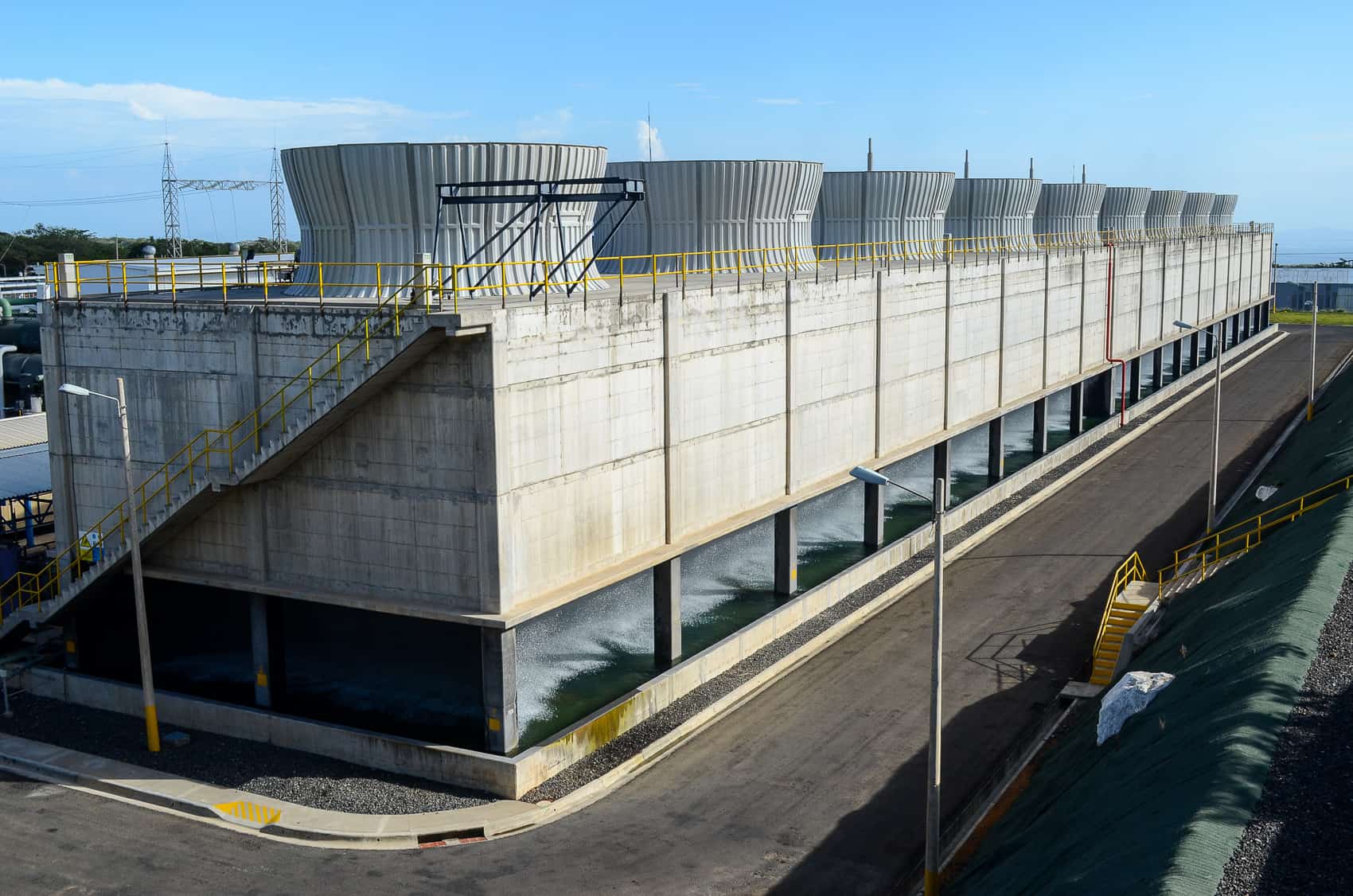
The latest award covers the equipment that forms the core of the plant’s generation system. That includes the generating unit powered by volcanic steam, related systems and equipment, and the cooling tower. ICE expects to sign the contract during the second half of 2026, with construction of the powerhouse scheduled to begin in July 2027. The new plant is projected to be completed in early 2030.
For Costa Rica, the Borinquen I project matters beyond the size of the contract. Geothermal energy is one of the country’s most valuable power sources because it can generate electricity steadily and does not depend on rain, wind or sunlight. That makes it especially useful in a grid where hydroelectric power remains dominant and dry seasons can put pressure on supply.
Borinquen I is being built in Guanacaste, near the country’s established geothermal corridor around the volcanic fields of Miravalles and Las Pailas. Costa Rica has more than 50 years of experience studying geothermal resources, and Miravalles I, the country’s first geothermal plant, began operating in 1994.
The project has also become a symbol of Costa Rica’s slow-moving energy infrastructure pipeline. Borinquen I has faced repeated postponements over the years. ICE previously projected the plant would begin operating in 2029, but the latest schedule now points to early 2030.
The delay tempers what is otherwise a clear advance for the project. The equipment award gives ICE a path toward installing the plant’s main generation components, but it also confirms that Costa Rica will wait several more years before the new capacity reaches the national grid.
ICE President Marco Acuña has framed the project as necessary to meet future electricity demand and strengthen the country’s renewable energy system. The utility has said Borinquen I was revived after earlier postponements and remains a priority for national power planning.
Costa Rica produced nearly all of its electricity from renewable sources in 2025, with hydroelectric, geothermal, wind, biomass and solar power making up the country’s clean energy mix. Geothermal power plays a smaller role than hydroelectricity but offers one major advantage: consistency.
That reliability could become more important as Costa Rica faces rising electricity demand, climate variability and pressure to modernize its energy system. Borinquen I will not solve those challenges alone, but the $100 million equipment deal puts one of the country’s most watched renewable energy projects back into motion.





