

President Laura Fernández announced that her administration will send a bill to reform Costa Rica’s Immigration Law after reports of repeated illegal entries by people allegedly linked to organized crime and illegal gold mining in Crucitas.
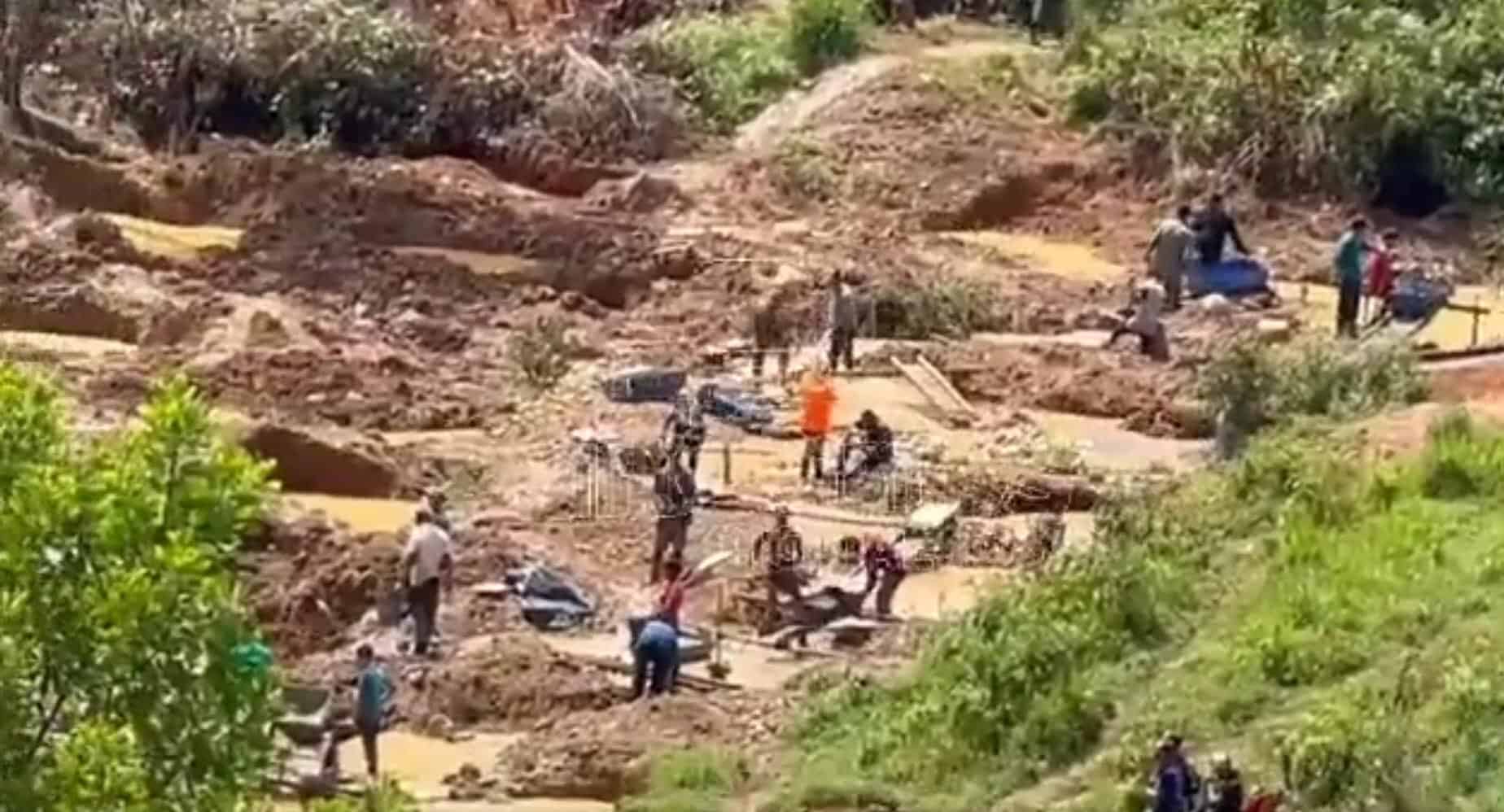
The announcement came after a new meeting of the government’s Fuerza Élite security team, where officials reviewed the situation in Crucitas, the northern Costa Rican community that has become a long-running flashpoint for illegal gold extraction, environmental damage, border control, and organized criminal activity.
Fernández said authorities have documented cases of people who entered Costa Rica illegally dozens of times after being detained and deported. The president said some individuals had entered the country illegally up to 70 times and were linked to organized crime and the problems in Crucitas. She said the situation showed the need to change the country’s immigration rules, particularly when repeat offenders continue returning after deportation.
The proposed reform will be prepared by the Directorate General of Migration and Foreigners and will be included in the broader security package the Executive Branch plans to submit to the Legislative Assembly.
The government has not yet released the text of the bill, so the specific penalties, procedures, or enforcement changes are not yet known. The announcement, however, places migration enforcement directly inside Fernández’s wider security agenda, which has focused heavily on organized crime, drug trafficking, illegal mining, weapons control, and institutional corruption.
Crucitas has been one of the most difficult security and environmental cases for Costa Rican authorities. The area, located near the border with Nicaragua, has drawn illegal miners for years, with authorities reporting repeated raids, arrests, mercury contamination concerns, and the presence of criminal groups exploiting the zone’s weak controls.
Fernández said the issue is not limited to Nicaraguan nationals, noting that people of other nationalities have also been detected entering illegally in connection with the illegal mining economy. The president also welcomed the participation of OIJ Director Michael Soto in Monday’s Fuerza Élite meeting. Soto joined the government security team and participated in the discussion, according to Fernández.
The president said she was optimistic that the issues addressed by the team could be resolved quickly for the benefit of national security. She also said the door remains open to other representatives of the Judiciary, while criticizing some court officials for not taking part.
Fernández also reported that Costa Rica has recorded 44 fewer homicides so far this year compared with the same period in 2025, an 11% decrease. She said the country is moving in the right direction but still has significant work ahead to restore the levels of peace and security Costa Rican families expect.
The administration is also preparing changes related to firearms. Fernández said she ordered a full review of the country’s firearms law, along with legislative and regulatory proposals aimed at tightening oversight of companies that sell firearms and ammunition. The review will also include the profiles of people who buy guns and ammunition, those who obtain carry permits, and the stated purposes for which firearms are acquired or used.
The immigration and firearms measures form part of Fernández’s broader security strategy, which has moved quickly during her first weeks in office. Her administration has promised a tougher response to organized crime while arguing that current laws leave gaps that criminal groups are exploiting.
The president closed her message by defending the government’s transparency push, saying public trust must be earned through action rather than demanded from citizens.
The proposed immigration reform is expected to reach lawmakers soon, but its impact will depend on the final text, the enforcement tools it gives authorities, and how the government balances border security with protections for migrants, refugees, and people seeking legal status in Costa Rica.





