

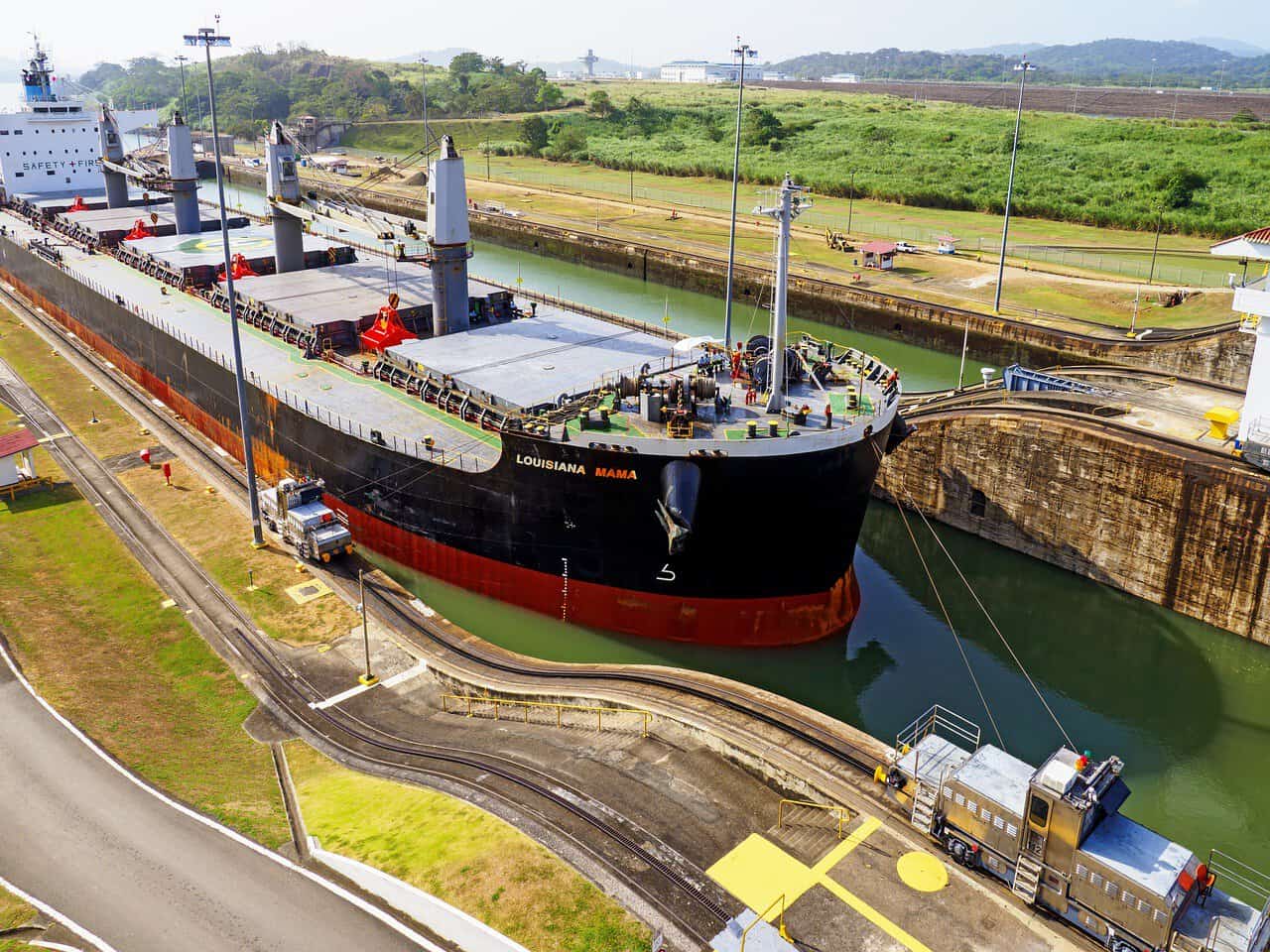
The Panama Canal Authority ruled out ship transit restrictions for the rest of 2026 even as El Niño conditions take hold in Panama. The authority made the announcement Friday after reviewing current reservoir levels and weather data. Officials said monitoring shows no need to cut daily crossings through Dec. 31.
El Niño, a natural climate cycle that occurs every two to seven years, warms Pacific Ocean waters and shifts trade winds. It can bring drier conditions to Central America and has already started to influence Panama’s weather.
The Instituto de Meteorología e Hidrología de Panamá reported this week that warming patterns linked to El Niño have appeared and are expected to last through the remainder of 2026. The authority noted that the strongest drought effects from the phenomenon typically show up the following year.
For now, the interoceanic waterway continues to operate at full capacity. It handles about 5 percent of global maritime trade and relies on rainwater stored in Gatún and Alhajuela lakes. “The results of the monitoring so far do not indicate transit restrictions through December 31, 2026,” the authority said in a statement.
The Panama Canal Authority updates lake-level projections every week and evaluates possible water shortages for May and June. It has kept the schedule at 38 daily transits. In 2023, a severe drought tied to an earlier El Niño episode forced officials to slash daily crossings from 38 to 22 at the peak of the crisis. Long lines of ships formed outside the locks, and shipping costs rose sharply for global supply chains.
This time the authority has acted earlier. It began preventive water-saving steps at the locks in 2025 and took advantage of heavier-than-usual rains during the recent dry season to build up reserves. Gatún Lake levels remain historically high.
The main users of the 80-kilometer route are the United States and China. Traffic has risen in recent months after a conflict in the Middle East that began Feb. 28 led to a blockade of the Strait of Hormuz. Oil tankers and other vessels have diverted through Panama, pushing some daily averages above 38 crossings.
The authority said El Niño has not yet affected operations. To guard against future dry spells, the Panama Canal Authority plans to start building a new reservoir on the Río Indio in 2027. The 4,600-hectare project will feed water through a nine-kilometer tunnel into Gatún Lake. Officials estimate the $1.6 billion effort will secure operations for the next 50 years once it finishes in 2032.
The announcement comes as shipping companies watch the forecast closely. A strong El Niño later this year could still reduce rainfall during the critical wet season that runs from May to December, but the authority said current preparations have strengthened its position. Weekly reviews will continue, and any changes to transit numbers would be announced promptly. For the moment, the canal is open for business at normal levels.





