

Tourism leaders in Santa Teresa are pushing back against a proposed gas station, saying the project does not fit the beach town’s identity as a destination built around nature, surf and low-impact tourism. The Blue Zone Chamber of Tourism and Commerce, known as CATUCZA, said it opposes the plan and is seeking more information from local and national authorities about the project’s status and any technical or environmental backing it may have.
According to the chamber, the proposed gas station would be built along Santa Teresa’s main road, across from a well-known local business. CATUCZA said the project is not consistent with the destination’s vision of regenerative growth and warned that infrastructure decisions in a high-demand coastal area can have long-term consequences for the community and its environment.
The chamber said it has begun gathering information from the Municipality of Cóbano, the Ministry of Environment and Energy, and the National Technical Environmental Secretariat in an effort to clarify the project’s scope and determine what legal, technical and environmental support exists for it. CATUCZA said its priority is the protection of natural resources, public safety and residents’ quality of life.
The issue has reopened a familiar debate in Santa Teresa, where tourism growth has brought more investment, traffic and pressure on infrastructure. CATUCZA describes its mission as promoting regenerative, ethical and high-quality tourism in Santa Teresa, Malpaís, Playa Hermosa and Manzanillo, with development that stays in harmony with nature and local life.
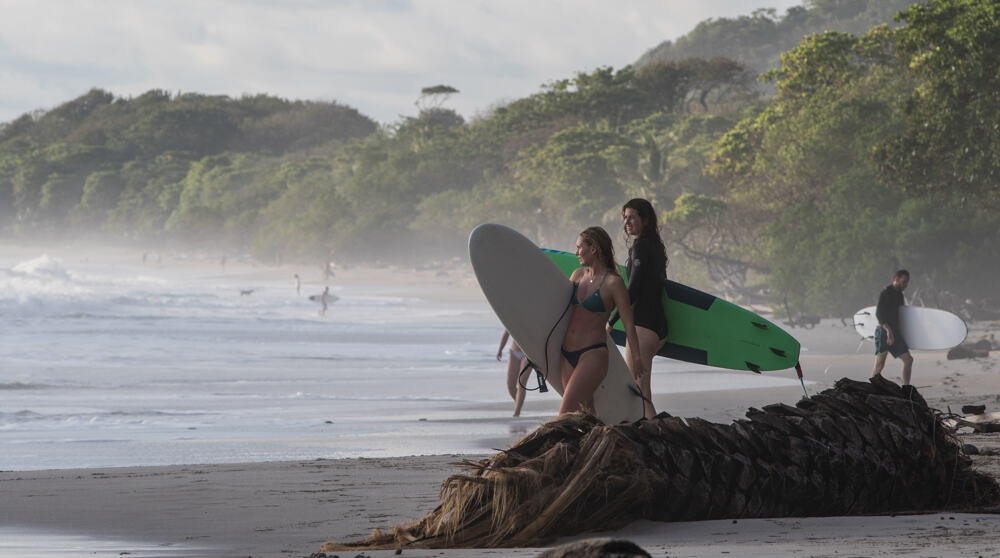
That approach has become part of Santa Teresa’s appeal. The area is widely known for surfing, wellness tourism and a coastline that has largely avoided the dense vertical development seen in other beach destinations. For many local businesses, preserving that setting is tied directly to the local economy, since the region’s natural character is a major part of what draws visitors.
For now, public reporting has focused on the chamber’s objection, and no detailed public response from Cóbano, MINAE or SETENA appeared in the sources reviewed. That leaves key questions unanswered, including where the proposal stands in the approval process and what environmental review may be required before any project could move forward.





