

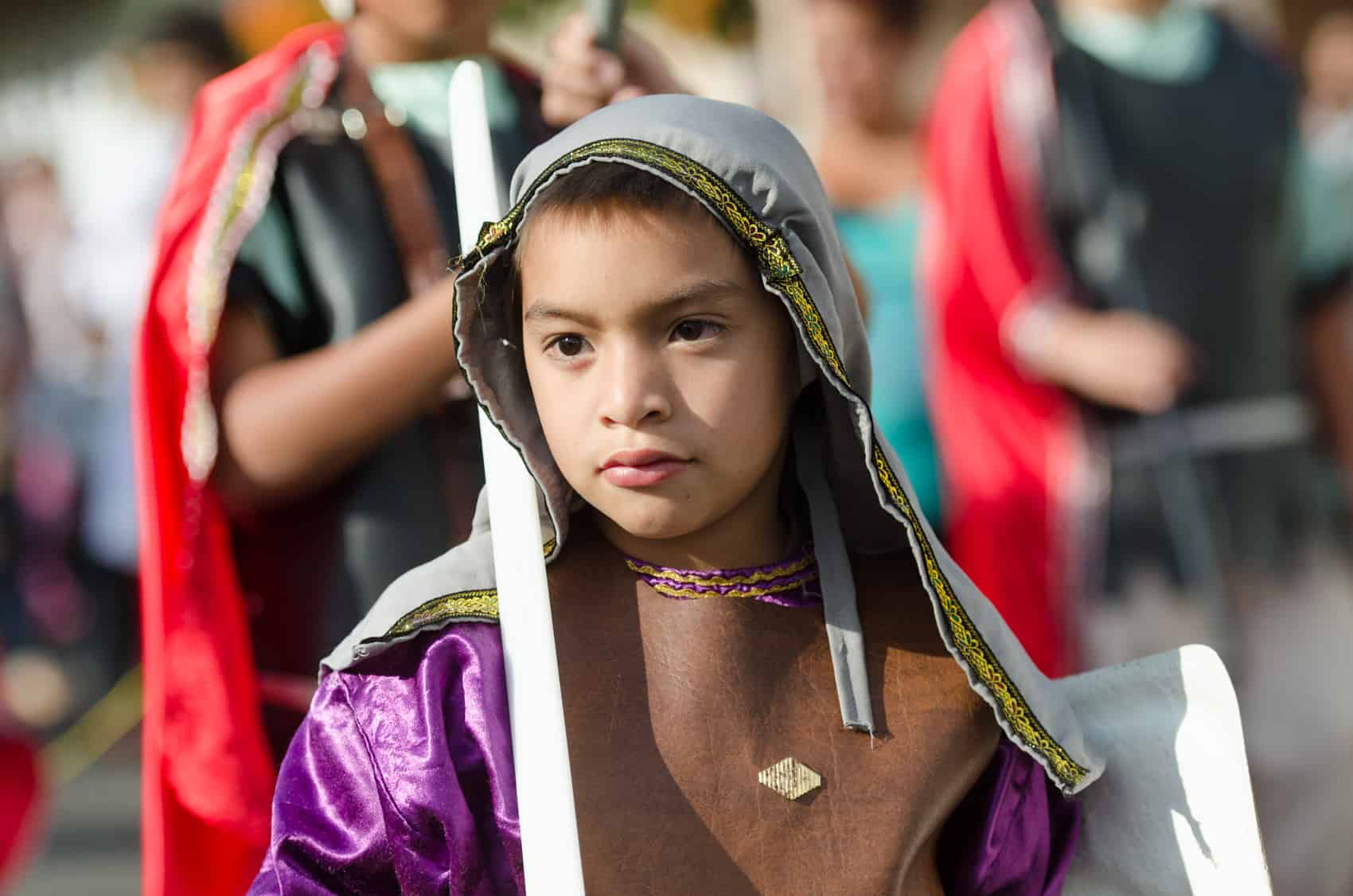
Few weeks on the Costa Rican calendar carry the weight of Easter (Semana Santa). Easter week in this Catholic country is not simply a holiday. It is a cultural institution, a nationwide pause, and one of the most distinctive travel experiences the country offers. For visitors who understand what to expect, it is extraordinary. For those who arrive unprepared, it can be disorienting. The difference between those two experiences comes down almost entirely to preparation.
In 2026, Easter runs from Palm Sunday, March 29, through Easter Sunday, April 5, with Holy Thursday falling on April 2 and Good Friday on April 3. These are the two most significant days in the religious calendar and the days when the country comes closest to a complete standstill.
Easter officially begins with Palm Sunday on March 29, but in practical terms Costa Rica starts shifting gears several days earlier. By Wednesday, April 1, the country is in full shutdown mode. Government offices close. Banks shut their doors. Many supermarkets operate on reduced hours or close entirely.
The roads, meanwhile, tell a different story. They fill rapidly as San José empties and the urban population appears to move at once toward the beaches, the mountains, and small towns that host the country’s best-known religious processions. Anyone driving toward the Pacific coast on Wednesday afternoon or Thursday morning should allow for double their normal travel time. The return to San José on Easter Sunday, April 5, brings similar congestion in the opposite direction.
The traditional heart of Semana Santa is Cartago, the colonial city southeast of San José that served as Costa Rica’s original capital. The Basílica de Nuestra Señora de los Ángeles, home to La Negrita, the small stone figure of the Virgin Mary that is Costa Rica’s most venerated religious icon, becomes the center of a weeks-long pilgrimage.
The Good Friday procession on April 3 in Cartago draws both devout Catholics and curious visitors. San José’s Metropolitan Cathedral hosts the Fiesta del Perdón on Friday, March 27, just before Palm Sunday, with major Via Crucis processions winding through the capital’s historic center throughout the week.
The coastal experience during the same period is something else entirely. Jacó, Manuel Antonio, Tamarindo, Sámara, and the beaches of Guanacaste transform completely, filling with Costa Rican families who have been waiting all year for this week together. The atmosphere is festive, loud, and celebratory, with extended Tico family reunions unfolding under the sun, with music, food, and the particular joy of a country that has collectively decided to put everything aside at once.
Hotel occupancy along both coasts can reach 100 percent well before March 29, and restaurants operate at full stretch through April 5. This is not the week for solitude seekers. It is the week for anyone who wants to see Costa Rica being joyfully and unapologetically itself.
In the Central Valley, towns such as Heredia, Alajuela, and Grecia host their own processions and religious ceremonies between March 29 and April 5 that are often more intimate and accessible than the large-scale events in Cartago. The mountain zones, including Monteverde, Cerro de la Muerte, and the roads toward Chirripó, see lighter traffic and offer a quieter counterpoint to the coastal rush.
National parks and wildlife refuges remain open throughout the week and are excellent destinations during Semana Santa, as the animals remain indifferent to the holiday and the trails are far less crowded than the beaches.
For travelers, several practical realities demand attention. Book all accommodation, rental cars, tours, and restaurant reservations well before mid-March. Rental car companies are often fully booked by the first week of March for Easter week. ATMs in popular coastal destinations can run low on cash by midweek. Gas stations along the route to the Pacific develop long lines by Wednesday, April 1. Anyone with flexibility should travel to their destination before that Wednesday and consider returning on Easter Monday, April 6, when roads clear significantly.
The alcohol question catches some visitors off guard every year. Costa Rica traditionally used to prohibit commercial alcohol sales from Holy Thursday, April 2, through Easter Sunday, April 5. The law is inconsistently enforced and broadly unobserved, particularly in tourist-heavy areas.
What Semana Santa 2026 offers, beneath all of its logistical demands, is a rare window into who Costa Rica truly is when it stops performing for visitors and simply lives. That is worth every reservation made in advance.





