
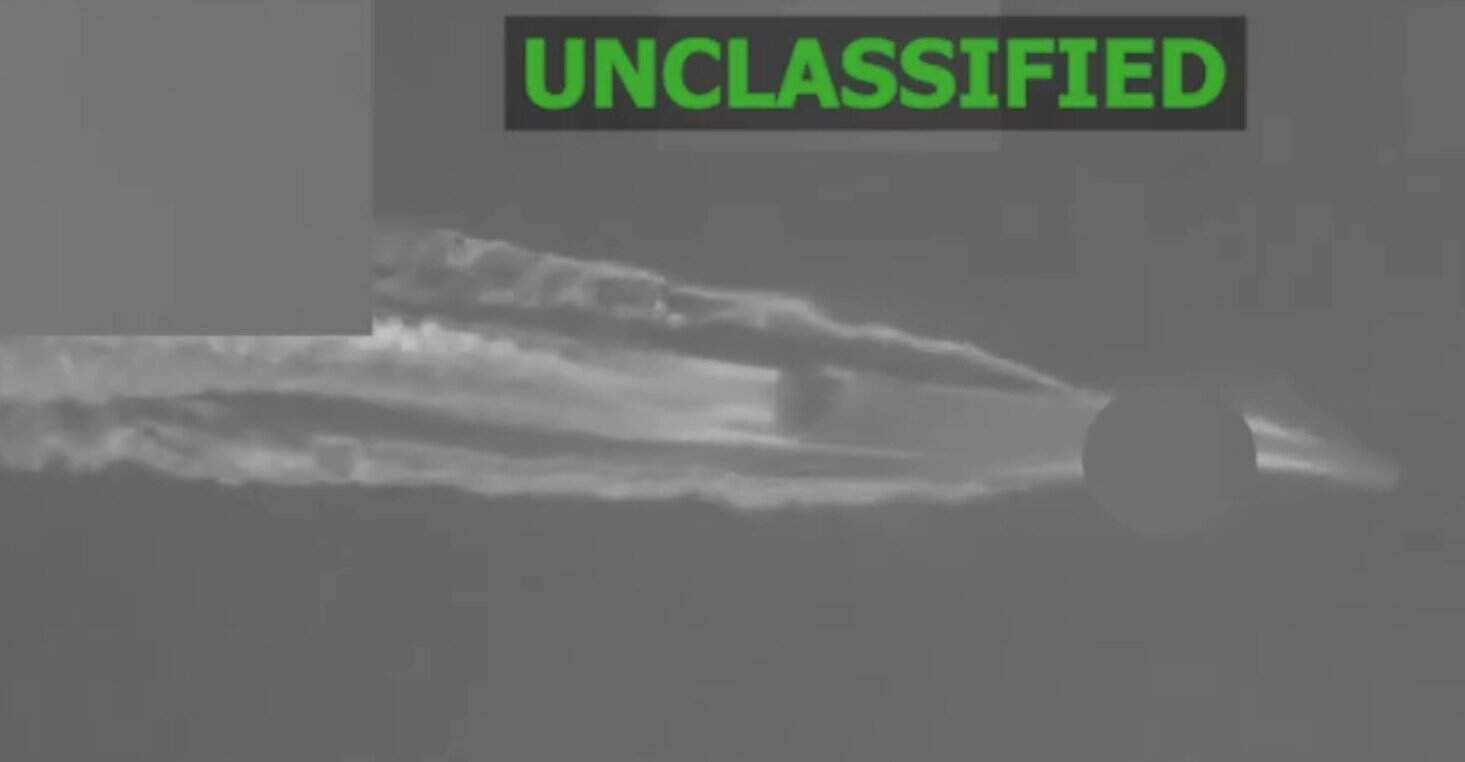
The U.S. military strike on a suspected drug-smuggling boat in the eastern Pacific has quickly become more than a security story in Costa Rica. What began as an operation at sea now sits at the center of a widening political and legal fight over sovereignty, constitutional limits and how closely San José should align itself with Washington’s new anti-cartel strategy.
Costa Rican authorities received two bodies and one badly injured survivor after the strike, which U.S. Southern Command described as a lethal action against a low-profile vessel operating on known narcotrafficking routes. Costa Rica’s Public Security Ministry said the handover took place about 126 nautical miles off Golfito, bringing the consequences of a U.S. military action directly onto Costa Rican soil and into Costa Rican institutions.
That detail has sharpened the debate inside the country. Critics argue that even if the strike happened outside Costa Rican territorial waters, the aftermath exposed the country to the legal and political consequences of a military campaign it does not fully control. Supporters of closer cooperation with the United States say Costa Rica can no longer treat maritime drug trafficking as a distant problem when organized crime is tied to the country’s record homicide levels and growing insecurity.
The immediate fallout has already reached the Constitutional Chamber. Miguel Guillén, secretary-general of the National Liberation Party, filed a constitutional challenge over the strike, calling it a military action and asking the court to examine whether Costa Rica’s security cooperation with the United States is colliding with the Constitution and the country’s long-standing civilian security model. Guillén argued that the country must avoid being drawn into foreign military operations, especially given Costa Rica’s abolition of the army.
The legal challenge lands on top of an already active constitutional dispute over Costa Rica’s participation in the U.S.-backed Shield of the Americas initiative. In recent days, Sala IV agreed to study amparo complaints questioning the legality of Costa Rica’s adhesion to the joint security declaration signed in Florida earlier this month. Those cases argue that joining what has been described as a regional military coalition against cartels may exceed constitutional limits and threaten fundamental principles of Costa Rican neutrality and demilitarization.
The strike has also opened a split inside the opposition. Former President José María Figueres publicly defended the destruction of suspected narco boats, reviving a hardline idea he first floated years ago. In his view, drug trafficking has already declared war on Costa Rica, and the country needs tougher regional action to keep cocaine shipments from reaching its coasts. That put him at odds with voices inside his own party who see the recent U.S. action as a warning sign that Costa Rica could drift into a security model that clashes with its constitutional identity.
The broader regional backdrop makes the issue harder to contain. The March 7 Shield of the Americas summit in Florida pushed a combined military and law enforcement approach against cartels, and Costa Rica was among the countries that signed on. That came after the Costa Rican legislature had already authorized the docking of U.S. Coast Guard vessels for anti-drug operations in 2026 under existing bilateral arrangements. For supporters, that is a natural extension of long-running cooperation. For critics, the latest strike suggests the partnership is moving from interdiction and arrests into something much closer to direct military force.
That shift matters because the U.S. campaign itself is under growing international scrutiny. Reuters reported this week that U.S. strikes on suspected drug boats have killed at least 157 people since September, while legal experts and some lawmakers have questioned their legality. U.S. officials have not publicly produced detailed evidence in each case to prove the targeted boats were carrying drugs. Human rights concerns and questions about due process are now increasingly part of the discussion surrounding the operations.
For Costa Rica, the issue is no longer abstract. The country is facing a real security crisis tied to organized crime, but it is also confronting an old national question in a new form: how to fight narcotrafficking without crossing the constitutional lines that define the republic. The bodies delivered to Golfito and the survivor taken to a Costa Rican hospital turned that question into an urgent domestic debate. What happens next will likely be decided not just by security officials, but by judges, lawmakers and a public now forced to reckon with how much of Washington’s war on cartels it is willing to absorb.