

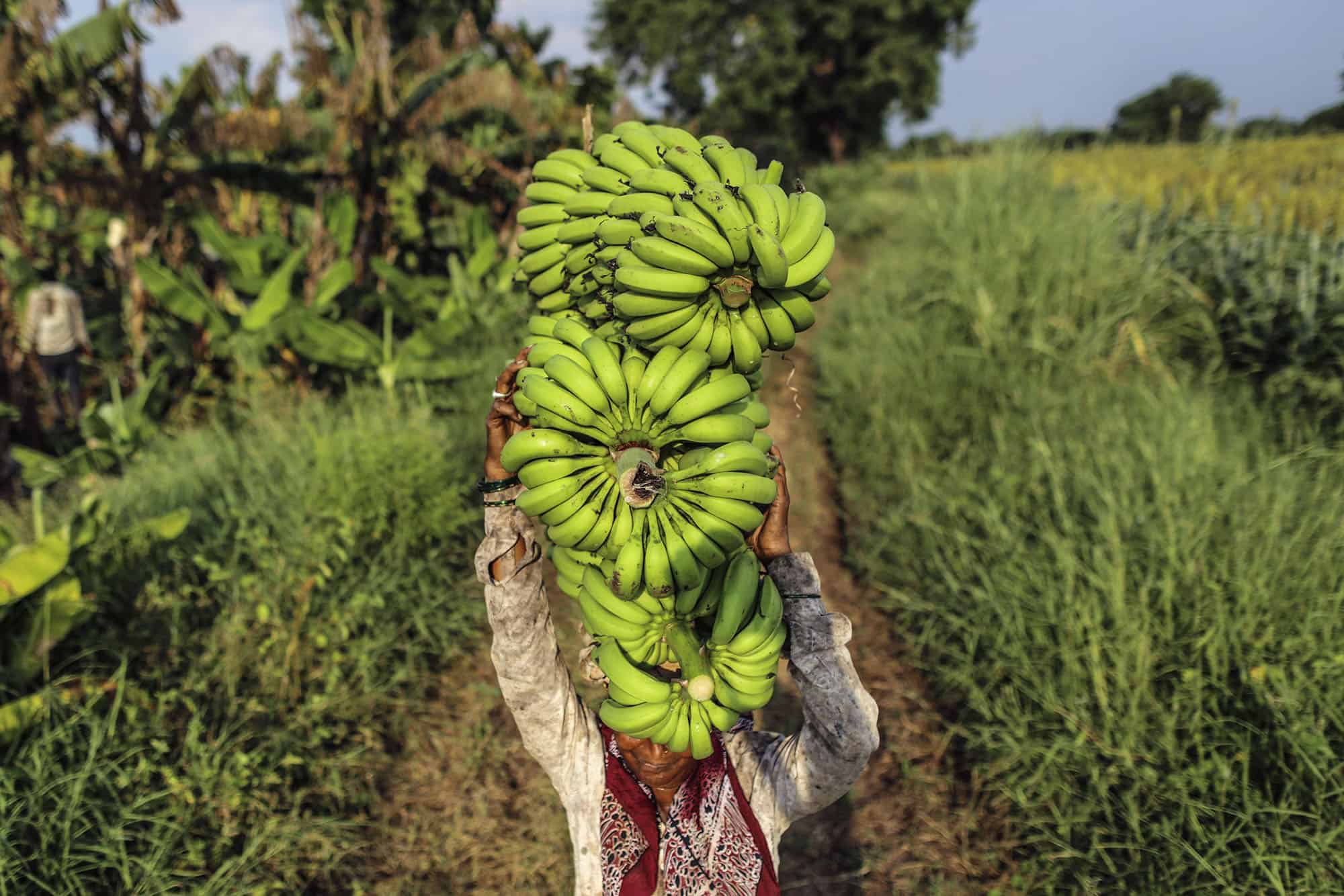
A French appeal court Tuesday refused to enforce compensation for Nicaraguan plantation workers left sick or sterile after working with a noxious pesticide, over what it called “disproportionate” damages. In 2006, a Nicaraguan court ordered multinational chemical giants Shell, Dow Chemical, and Occidental Chemical to pay $805 million to about 1,200 former banana plantation workers for the health impacts of a pesticide called DBCP they used in the 1970s and 1980s.
But they never received the compensation, and many of the victims have since died. The US-based multinationals withdrew their assets from Nicaragua, according to the plaintiffs’ lawyers, and insisted Nicaraguan courts lacked jurisdiction. In 2018, the plaintiffs took their case to France under a law there that allows enforcement of a foreign court order in France.
Their lawyers had hoped the French judiciary could have seized some of the three companies’ European assets, and used them to compensate the workers. But a French lower court in 2022 found that Nicaragua did not have jurisdiction in the case as the defendants had sought a trial on US soil under a Nicaraguan law that allows this.
The Paris appeals court on Tuesday said the Nicaraguan judge had in fact been competent, according to a copy of the ruling. But, it argued, the amounts awarded to each claimant were “exorbitant” and “disproportionate” to the nature and extent of the harm suffered.
It said it could therefore not implement the Nicaraguan sentence on French soil as it did not conform to “international public order”, one of the required conditions for implementation. One of the plaintiffs’ lawyers said they would be taking the case to France’s top court. DBCP, the active ingredient in Nemagon, was banned in the late 1970s in the United States after it was found to cause sterility in male workers, but continued to be used on plantations in other countries.





