

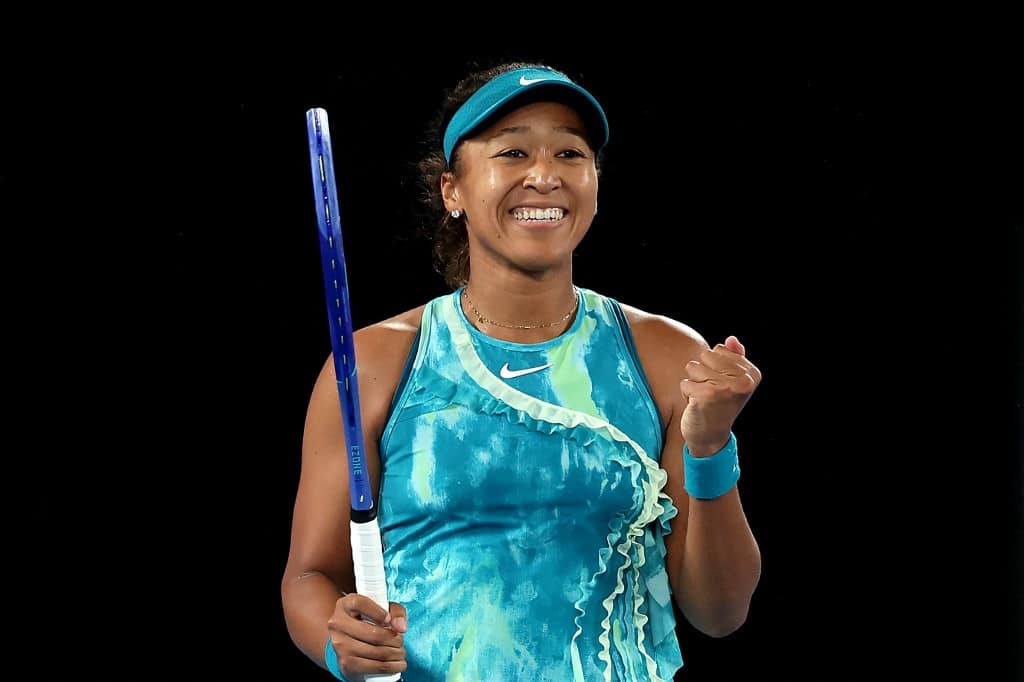
The Australian Open is barely underway and already the storylines are piling up: top seeds pushed early, brutal heat testing bodies and patience, and familiar champions adding new chapters to careers that refuse to slow down.
Carlos Alcaraz and Aryna Sabalenka, the top seeds in the men’s and women’s draws, both opened their campaigns with straight-sets wins that were more complicated than the scorelines suggested. Alcaraz, who arrived in Melbourne without playing a warm-up tournament, needed time to find rhythm against Australia’s Adam Walton before closing out a 6-3, 7-6(2), 6-2 win on Rod Laver Arena. Sabalenka also advanced, but not without resistance, as early-round tension spread across the first full day of main-draw action.
The heat has been a major character in the opening days, bringing the familiar Australian Open dynamic where conditions can swing a match as much as tactics. Players have had to manage not just opponents, but energy conservation, hydration and recovery in temperatures that make long rallies feel like punishment. Tournament scheduling can adapt when extreme conditions hit, and Tennis Australia’s own competitive regulations reference the use of an Extreme Heat Policy that can affect how matches are arranged.
While the top seeds absorbed some early turbulence, the tournament’s biggest early milestone belonged to Novak Djokovic. The 10-time Australian Open champion recorded his 100th main-draw singles win in Melbourne with a routine 6-3, 6-2, 6-2 victory over Spain’s Pedro Martínez. It was the kind of clinical performance Djokovic has used for years to suffocate early-round opponents, and it kept him firmly planted in the center of the men’s title conversation.
On the women’s side, Naomi Osaka delivered the day’s most talked-about moment before a ball was even struck. The former champion arrived at Rod Laver Arena in a dramatic fashion look — wide-brim hat, veil, parasol — then backed it up by grinding through a three-set win over Croatia’s Antonia Ružić, 6-3, 3-6, 6-4. Osaka’s entrance drew instant attention inside the stadium and across social media, but the match itself was the bigger signal: she is healthy enough, and sharp enough, to stay in the mix.
Defending men’s champion Jannik Sinner also moved on without panic, continuing the steady start expected from a player many see as Alcaraz’s principal rival in the post-Big Three era. The draw placed the tournament’s top names on course for collisions later in the fortnight, but for now the theme has been survival and adjustment — getting through the first match, managing the heat, and finding timing on courts that can play quicker or slower depending on temperature and time of day.
Away from the biggest stadiums, day-to-day drama has been just as sharp. In one of the most emotional scenes of the tournament so far, France’s Gaël Monfils bowed out in the first round and treated the moment like a farewell to Melbourne. After losing in four sets to Australian qualifier Dane Sweeny, Monfils addressed the crowd, soaking in the noise and appreciation. For longtime fans, it was the kind of Australian Open scene that has little to do with rankings and everything to do with personality and time passing.
For Costa Rican and Central American readers watching from the far side of the world, these early days are often defined by timing. Melbourne’s night sessions land in the Americas at odd hours, which means big matches frequently unfold overnight or early morning back home. That gap also shapes the way fans experience the tournament: highlights and storylines hit in clusters, and the “news cycle” of tennis can feel like it’s happening while the region sleeps.
Still, the themes are easy to track even from a distance. The men’s tournament is framed by Alcaraz’s chase — he is trying to win his first Australian Open title and push toward a rare historical set of achievements — and by Djokovic’s refusal to exit the stage quietly. On the women’s side, Sabalenka’s early test was a reminder that top seeds can look mortal in the opening rounds, while Osaka’s return adds a wildcard element to a draw that already feels volatile.
Heat will remain part of the conversation. It always is in Melbourne, but it matters more when it starts affecting match quality, recovery windows and injury risk. The Australian Open has spent years balancing fan expectations, player safety and broadcast demands in extreme conditions, and that tension tends to rise as the tournament deepens and matches become longer, tighter and more physically expensive. The first week of a Grand Slam is where the tournament shows its personality.
Some years it begins with chaos. Some years it starts with the favorites cruising. So far, Australian Open 2026 has offered a bit of both: stars advancing, but not always comfortably; heat shaping the margins; and enough emotion and spectacle to remind everyone why Melbourne remains the sport’s most unpredictable major