

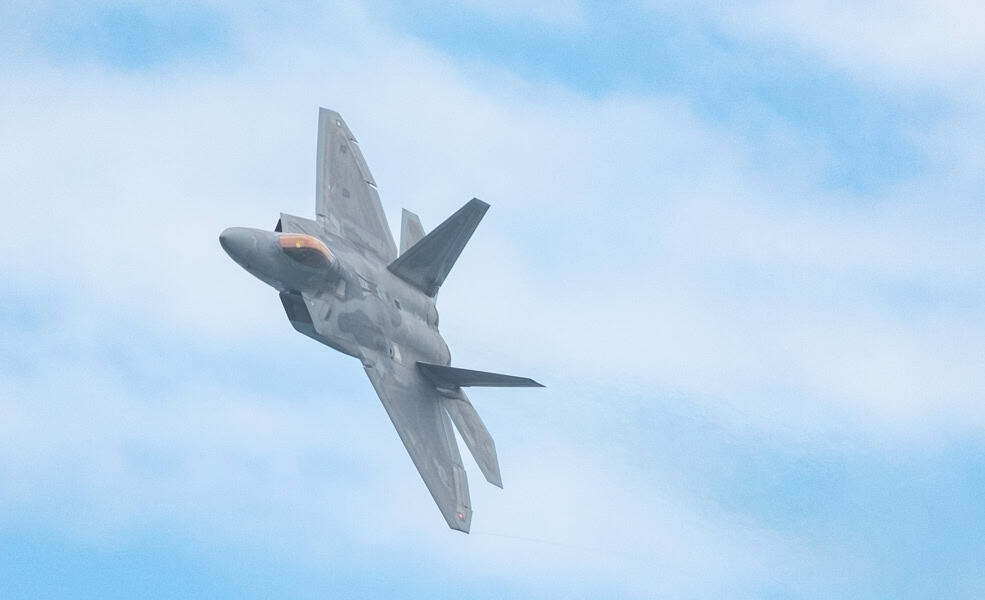
The United States Federal Aviation Administration (FAA) issued a series of safety warnings on Friday for airspace over Mexico and Central America. The alerts point to potential military activity and interference with satellite navigation systems that could affect flights. Pilots received instructions to take extra care at every altitude, including during climbs, descents, and overflights.
The notices cover broad areas, from Mexican airspace to regions in Panama, Colombia, and Ecuador, plus sections of the eastern Pacific Ocean. They went into effect immediately and will last 60 days, through March 17. FAA officials described the risks as tied to military operations and possible disruptions to Global Navigation Satellite Systems, which include GPS.
Airlines operating in the region now review routes to avoid hazards. The warnings apply to U.S. carriers but signal broader concerns for international aviation. In Central America, where commercial flights connect major hubs like San José and Panama City, operators stay alert for any changes.
The alerts come amid heightened tensions in the area. Recent statements from U.S. leaders have raised questions about operations in Mexico and nearby countries. No details emerged on specific military actions, but the FAA stressed the need for vigilance to protect crews and passengers.
Costa Rican civil aviation authorities coordinate with international partners to track developments. Flights to and from San Jose’s Juan Santamaría International Airport continue normally, though some adjustments may occur if conditions shift. Travelers should check with airlines for updates on itineraries involving the affected zones.
The situation underscores ongoing security challenges in regional airspace. Operators prioritize safety protocols to handle any interference or unexpected encounters. As the 60-day period unfolds, further guidance from the FAA could refine these measures.





