

The sounds of animals in pain coming from a neighbor’s house stirred three women to involve the sheriff and the courts to stop the cruelty being committed there. Those women, Diana Holder, Lili Hale and Frances Radics, then founded Stop Animal Suffering, Yes! (SASY), an organization dedicated to preventing animal abuse and neglect in Costa Rica.
SASY raises money to support shelters for homeless animals and low-cost clinics for spaying and neutering. It has also created an educational program, the SASY Learning Kit, to be used throughout the country’s schools in third through fifth grades to teach children about animal welfare. The kit includes a video presentation, a teacher instructional guide, coloring books and other supplies to engage children in learning how to care for animals and how to avoid being bitten.
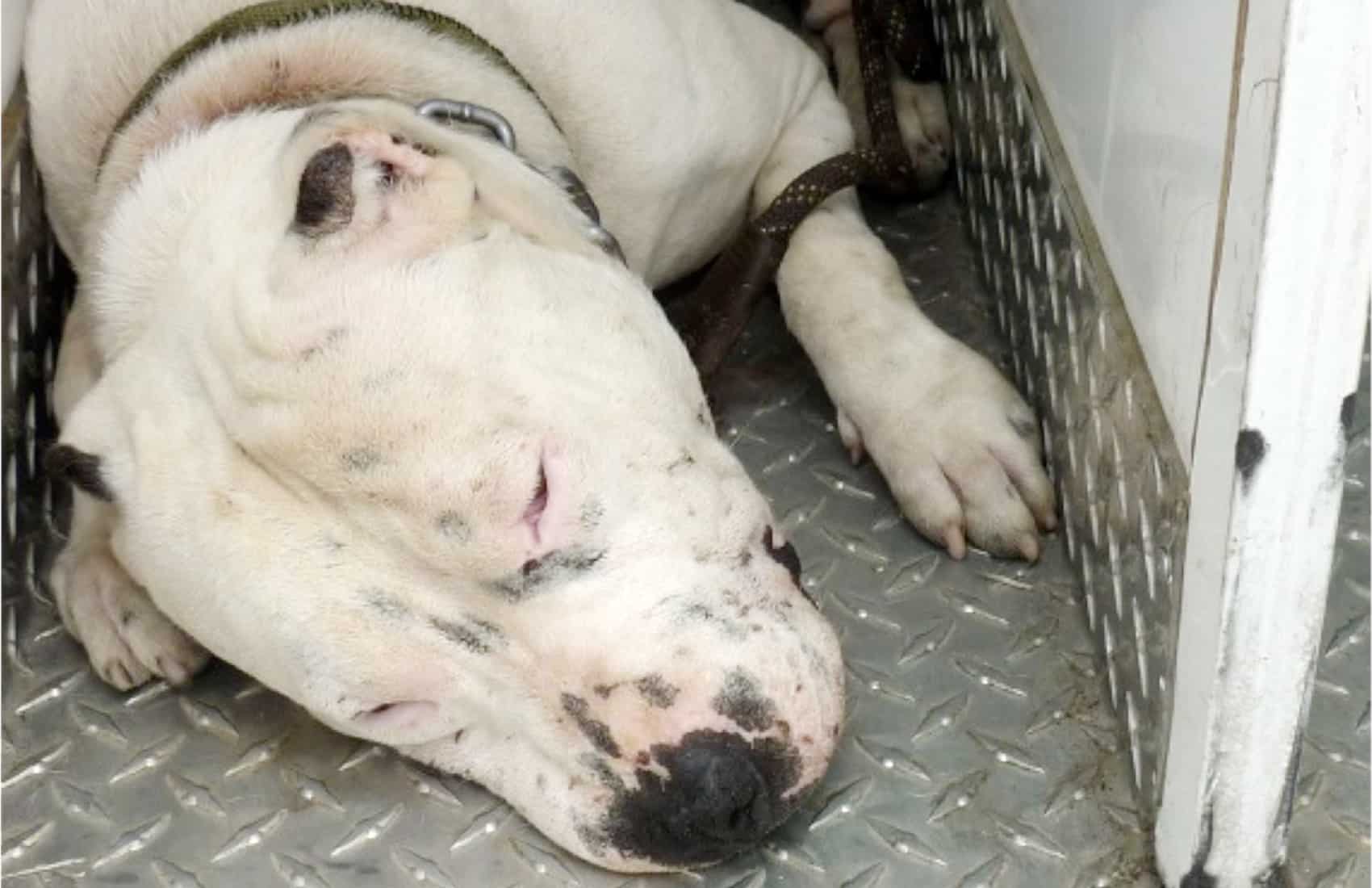
Another effort in the fight against animal suffering is Asociación de Amigos de Zaguates (Friends of Mutts Association), operated by Lisa Schaefer near Santiago de Puriscal, southwest of San José. The association provides refuge and rehabilitation care to more than 30 abandoned and sick or injured dogs.
It also donates food and medicines to families providing foster homes to dogs the refuge has no room for, as well as the dogs of low-income families in the nearby Quitirrisí indigenous reserve.
Throughout the Puriscal area, more than 500 people know they can call Schaefer if they see a sick or injured animal or an abandoned litter of puppies. Working with local veterinarians, she administers first aid and medicines and takes animals to the vet when X-rays, surgery or euthanasia is needed. If a dog has been mortally injured by being hit by a car, its death can be quick and dignified in a vet’s office rather than slow and painful in the street.
Yet, in spite of all that Schaefer and others do, pet overpopulation can quickly exhaust resources and continue the cycle of abandonment and suffering. Therefore, SASY, Amigos de Zaguates and other groups direct a lot of effort into holding clinics to spay and neuter dogs and cats, especially in lowincome areas. The costs of the operations are subsidized by contributions so the fees can be affordable for the pet owners.
On a sunny Saturday morning on the soccer field in Puriscal, area residents brought 83 dogs and cats to be spayed or neutered. A local group of women had organized and publicized the event under the guidance of Schaefer, who arranged for the vet, volunteers and supplies. Amigos de Zaguates and SASY provided the funding.
Schaefer explained that a clinic needs space protected from sun and rain for people to wait with their animals, as well as an indoor facility with water, electricity and a bathroom.Animals must not eat or drink for 12 hours before surgery, so street dogs and cats must be picked up by volunteers the night before. Following surgery, they need to stay in someone’s home for a day until the anesthetic wears off.
Upon arriving, people register with their pets, which are given sedatives and then anesthetics before surgery. Volunteers assist the vet who performs the surgery in an assembly-line fashion. The volunteers also remove parasites and perform basic grooming as needed.
Anyone in Costa Rica who is troubled by the suffering of unwanted dogs and cats can help by organizing a spay and neuter clinic in his or her area, adopting a rescued pet or supporting one of the country’s animal welfare groups. Holder of SASY or Schaefer of Amigos de Zaguates will provide their expertise and secure vets and supplies for those wishing to organize a clinic. Amigos de Zaguates will soon have a Web site; until then,
Next month, SASY will be holding a charity auction with the theme “It’s Raining Cats and Dogs” at the Real InterContinental Hotel, in the western San José suburb of Escazú, Nov. 11 from 2-6 p.m. According to SASY’s Laurel Harry, more than 100 auction items have been donated, including gift certificates from hotels, restaurants, shops and spas around the country, as well as furniture, collectibles and artwork.
Other groups providing animal welfare services include: the National Association for the Protection of Animals (ANPA), based in San José; the Costa Rican Humanitarian Association for Animal Protection (AHPPA) in Heredia, north of San José ; and the McKee Project, with participating vets and clinics countrywide .





