Officials from several government agencies on Monday said the current situation of Zika virus does not pose a risk for tourists traveling to Costa Rica, and that there is not any travel or trade restriction related to the mosquito-borne disease.
Daniel Salas Peraza, acting director of the Health Ministry’s Health Surveillance Department, recalled that the World Health Organization (WHO) and the World Tourism Organization (WTO) last week issued a joint statement confirming they are not recommending any travel or trade restrictions related to Zika virus.
Salas said that currently “there is not any scientific evidence of an active virus circulation in the country” and that the two confirmed cases here were of people infected outside the country.
He noted that “the current peak in tourist visitation coincides with the country’s dry season, when the population of mosquitoes decreases.”
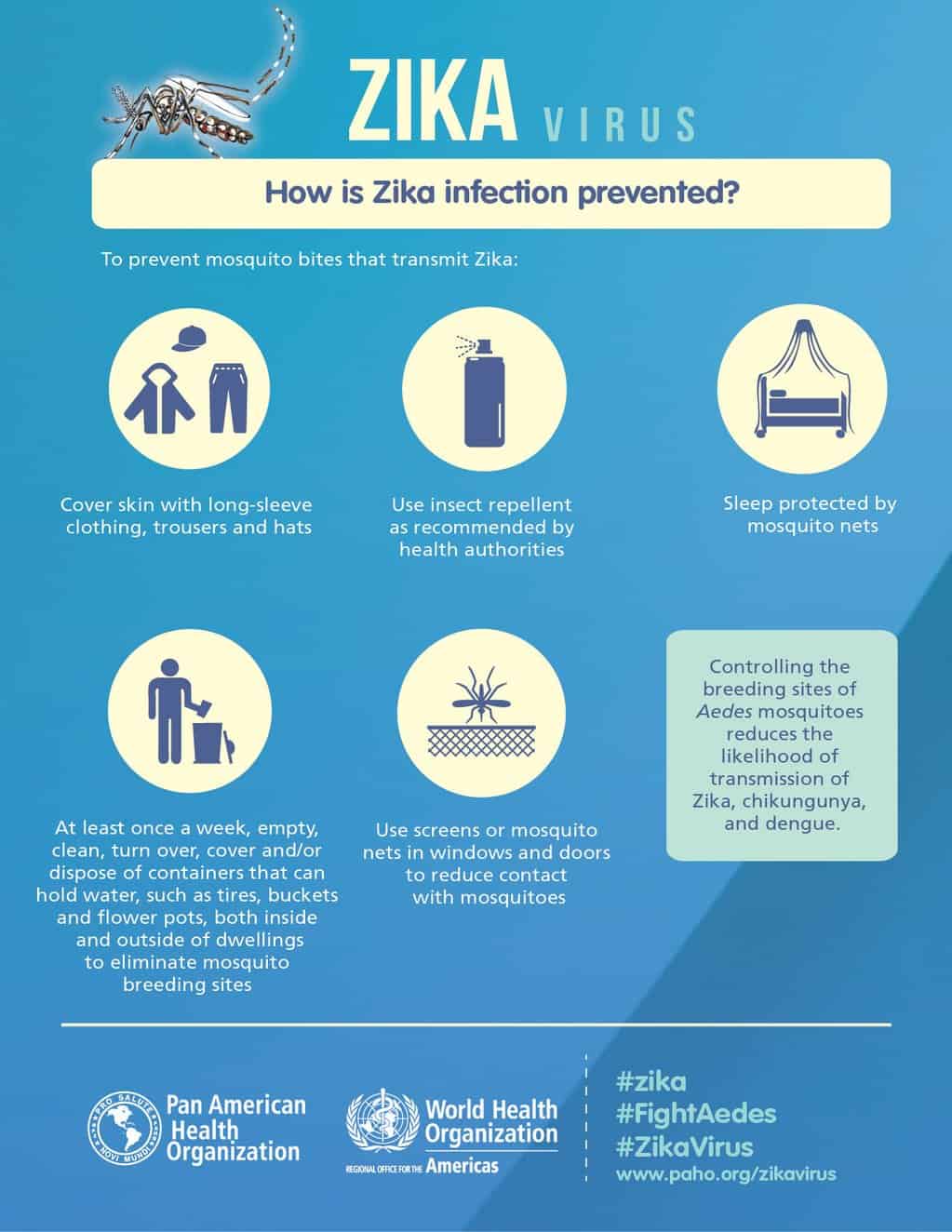
Officials also announced that multi-agency groups starting this week are joining efforts across the country to eradicate objects that collect stagnant water, which act as breeding grounds for mosquitoes, the main carriers of Zika and other similar viruses such as dengue and chikungunya.
Fernando Llorca and Gustavo Mata, Public Health and Public Security ministers, respectively, said that National Police officers and public employees will participate in periodic fumigation campaigns and efforts to eliminate objects that collect water in public offices and communities across the country.
Campaigns began this week in La Carpio, an impoverished community northwest of San José, with help from public workers from various agencies.
“Other countries are sending their armed forces into the streets to fight the mosquitoes, but here in Costa Rica we need the participation of all our citizens,” Llorca said.
Mata said National Police officers will actively participate in fumigation campaigns but also will provide protection for public officials who visit communities with high crime rates. The ministry also will provide vehicles, boats and planes for the campaign.
“Our plan is for all 14,000 National Police officers and our resources to be available to collaborate with the Health Ministry,” Mata said. “But this is a national issue, and all of the public must be aware and participate.”
The Education Ministry also committed to conduct inspections at least once a month at public schools to eliminate mosquito breeding sites.
New suspected case?
Minister Llorca confirmed that officials currently are evaluating blood tests from a suspected case of Zika virus.
The patient is a Nicaraguan man who lives in the Caribbean province of Limón and showed symptoms of the disease on Feb. 3. Health Ministry officials took blood samples on Feb. 4 and are awaiting the results, Llorca said.
If confirmed, the man could be the first case of a local vector-borne transmission of Zika. The patient said he has not left the country in the past month, and that he traveled to Nicaragua in December. Based on that timeline, officials have ruled out that he was infected in Nicaragua, as the virus incubation period ranges from 3-12 days.
The blood analysis also will seek to rule out other mosquito-borne diseases such as dengue and chikungunya, Llorca said. He added that in recent weeks officials had analyzed and ruled out 20 other suspected cases of the Zika virus in Costa Rica.
Bacteria as a new ally
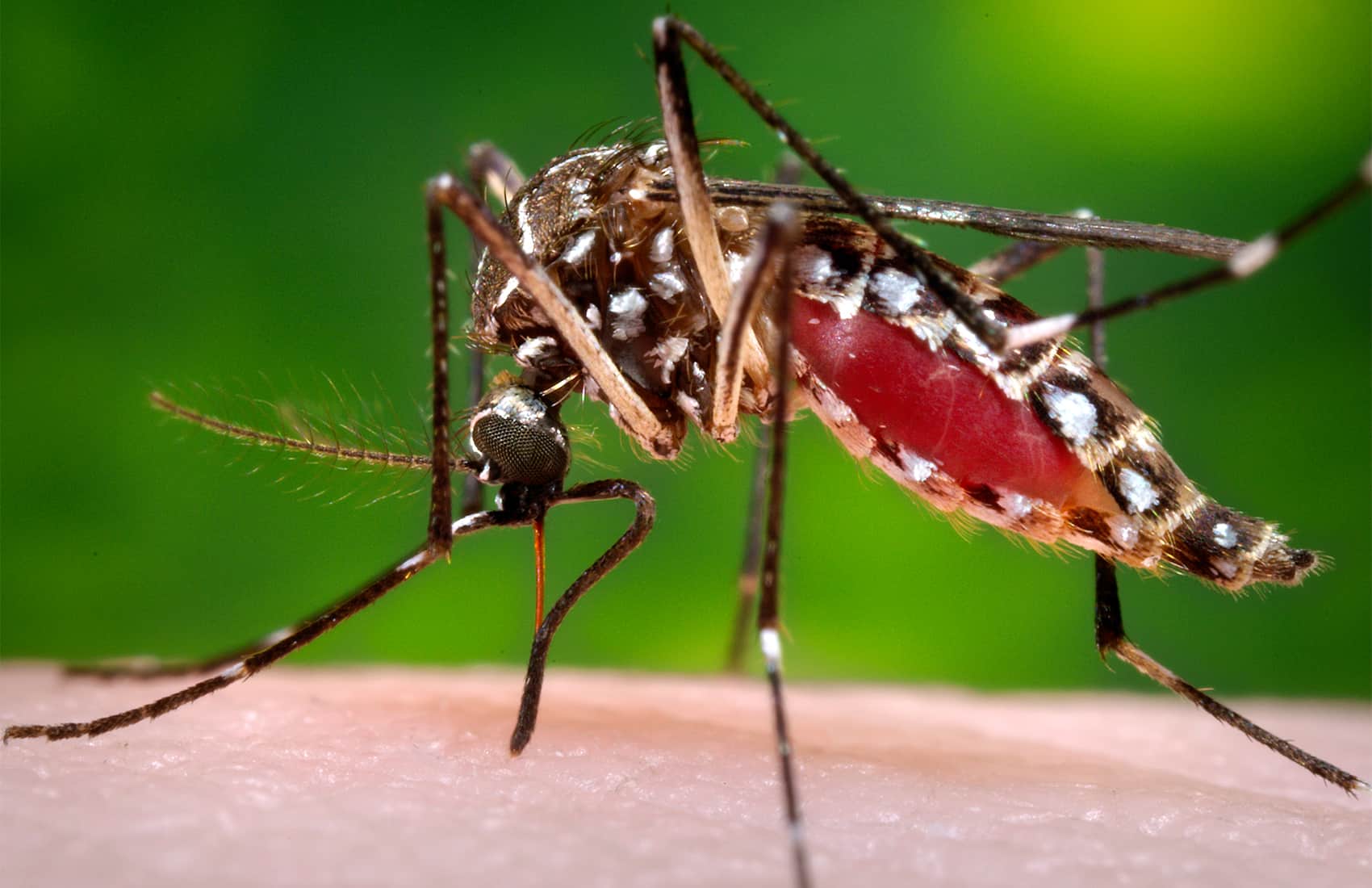
Health officials also announced that they have started using bacteria to fight the proliferation of Aedes albopictus and Aedes aegypti mosquitoes. Spinosad (Saccharopolyspora spinosa), a product of bacterial fermentation, is being added to stagnant water.
The Health Ministry’s director of vector control, Rodrigo Marín, said bacteria pills are one of the best technologies available on the market for biological control of mosquito larvae. “One pill is enough for a 200-liter water tank and its effects can last up to 10 weeks,” he said.
The bacteria concentration in a pill dissolved in this proportion of water does not represent any toxicity risk for humans, but it does act on the nervous systems of mosquito larvae, killing them within 48 hours, the ministry said in a public statement.
Officials advised the use of bacteria pills in swimming pools, ponds, fountains and any large object containing stagnant water. They also recommended municipalities, farm owners, hotels and other businesses use the pills as long as they carefully follow the manufacturers’ recommendations.