

Related: Duh: DEA finally admits marijuana is safer than heroin
WASHINGTON, D.C. — As heroin overdoses and deaths soar in many parts of the United States, the White House plans to announce on Monday an initiative that will for the first time pair public health and law enforcement in an effort to shift the emphasis from punishment to the treatment of addicts.
The experiment, initially funded for one year in 15 states from New England to the Washington, D.C., area, will pair drug intelligence officers with public health coordinators to trace where heroin is coming from, how and where it is being laced with a deadly additive, and who is distributing it to street-level dealers.
Two senior officials described the initiative to The Washington Post on the condition of anonymity because the program was not scheduled to be announced until Monday. The new program is a response to a steep increase in heroin use and deaths in much of the nation, especially in New England and some of the Northeastern states covered in the new program. The death rate from overdoses has quadrupled in the past decade, according to a report from the Centers for Disease Control and Prevention.
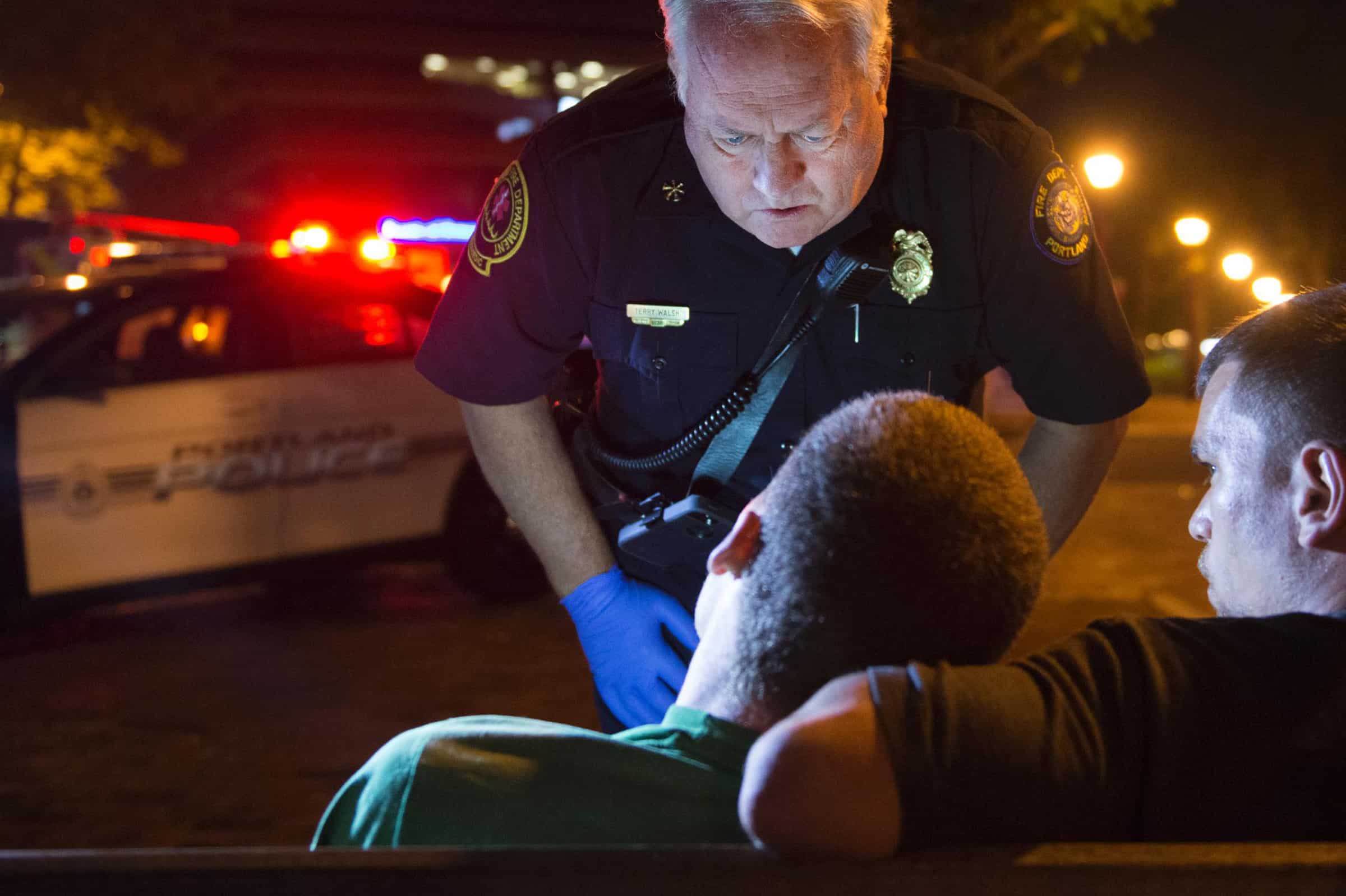
From local police to federal law enforcement agencies, two constant frustrations in the battle against the spread of heroin have been an inability to get solid, timely information about where the drug is coming from and who is distributing it, and widespread ignorance among first responders about how to recognize and handle overdoses.
The new effort, proposed by the New York/New Jersey High Intensity Drug Trafficking Area program, one of 28 such federally funded law enforcement initiatives nationwide, seeks to address those problems by hiring 15 drug intelligence officers and 15 health policy analysts who will collect overdose data, find patterns and get intelligence about trafficking trends to street-level law enforcement far more quickly than the current system allows. In addition, the initiative will train first responders on when and how to deploy medication that can reverse opioid overdoses.
“Our approach needs to be broad and inclusive,” a senior White House official said. “Law enforcement is only one part of what really needs to be a comprehensive public health, public safety approach.”
Twenty-six states have passed overdose-prevention legislation that allows police or fire-and-rescue officers to administer naloxone, which quickly counters the effects of a heroin overdose, and that clears the way for people to call for help for an overdosing addict without facing arrest for their own drug use.
And the Obama administration this year proposed $133 million in new spending to curb overprescription of opioid painkillers, the drugs that have proved to be the primary gateway to heroin use, and to expand the use of suboxone and methadone, drugs that are used as more benign substitutes to wean addicts off the powerful urge to return to heroin.
By comparison, the $2.5 million being committed to the latest program by the White House Office of National Drug Control Policy is a small investment, but a senior law enforcement official involved in developing the new strategy said the pairing of public health workers and police is a key step toward “both reducing crime and reducing the number of people who end up in emergency rooms.”
The new funding will pay for hiring “a cop and a health data analyst” in 15 of the nation’s 28 High Intensity Drug Trafficking Areas, which cover about 17 percent of U.S. counties and about 60 percent of the population, the official said.
The new hires will work under a law enforcement coordinator who will use the data to identify targets for police to go after across state lines, and a regional health coordinator who will analyze trends in the overdose data and devise strategies for combating spikes in drug use.
The official said he proposed the initiative to overcome bureaucratic hurdles that make it difficult for information about overdoses and trafficking to cross state lines and get to police in a timely manner. “If somebody from Brooklyn is arrested with heroin in Burlington, Vermont, we may not hear about it for months, when that information could allow us to see a trafficking pattern that lets us focus on who to go after,” he said.
Public health data often is not widely distributed for many months, if not years, after the events that originate it. The initiative would allow public health agencies and law enforcement “to see where fentanyl-laced heroin is turning up, in real time, so we can react,” the enforcement official said.
Fentanyl, an opiate that in its legal, prescription form is used to treat post-surgery pain, has been turning up as an additive in the heroin that has caused a growing portion of overdose deaths in recent months.
“Heroin is killing people,” the enforcement official said, “and too often, public health goes one way and law enforcement goes the other. Often, grants create silos in government. This program is designed not to create any new agency but to bring people together to break out of those silos.”
© 2015, The Washington Post





