


LOS CHILES, Alajuela — We left San José around 9 a.m. in a rented car and headed towards the north of the country. The mission was to explore the infamous Route 1856, also known as “la trocha fronteriza,” and check out the new border crossing between Costa Rica and Nicaragua at Las Tablillas and what it might mean for the region.
It’s not a long trip by car from San José to Los Chiles: an hour to the town of San Ramón, and from there, about 2 ½ more hours north.
Along the border near Las Tablillas, Costa Rican police officers patrolled on ATVs, looking for illegal crossers. Officers know that plenty of people walk across the border undetected. “It is impossible to stop them all,” Officer Baez said.
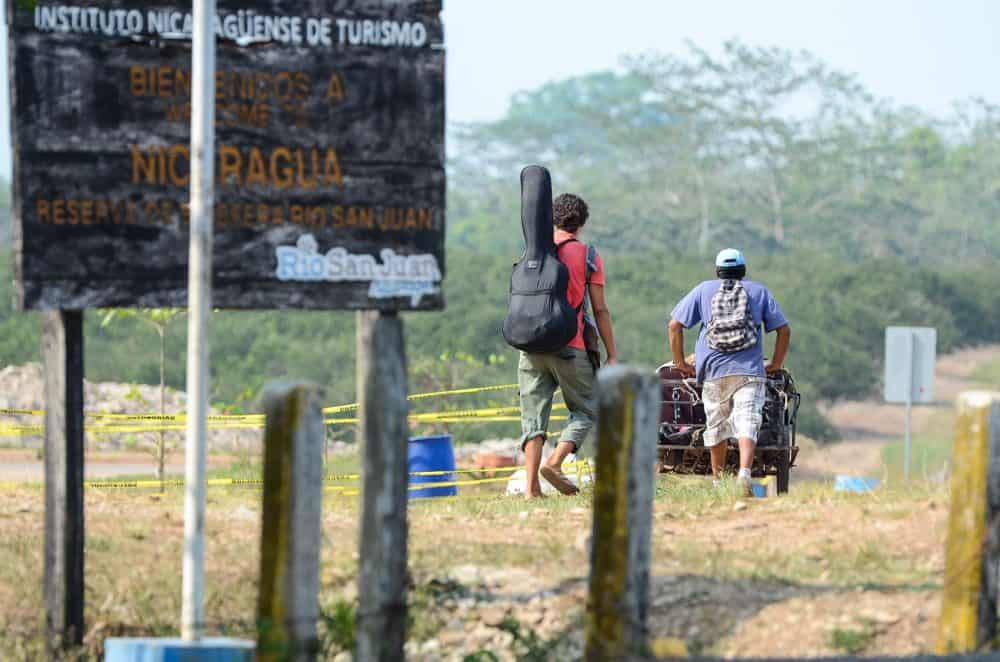
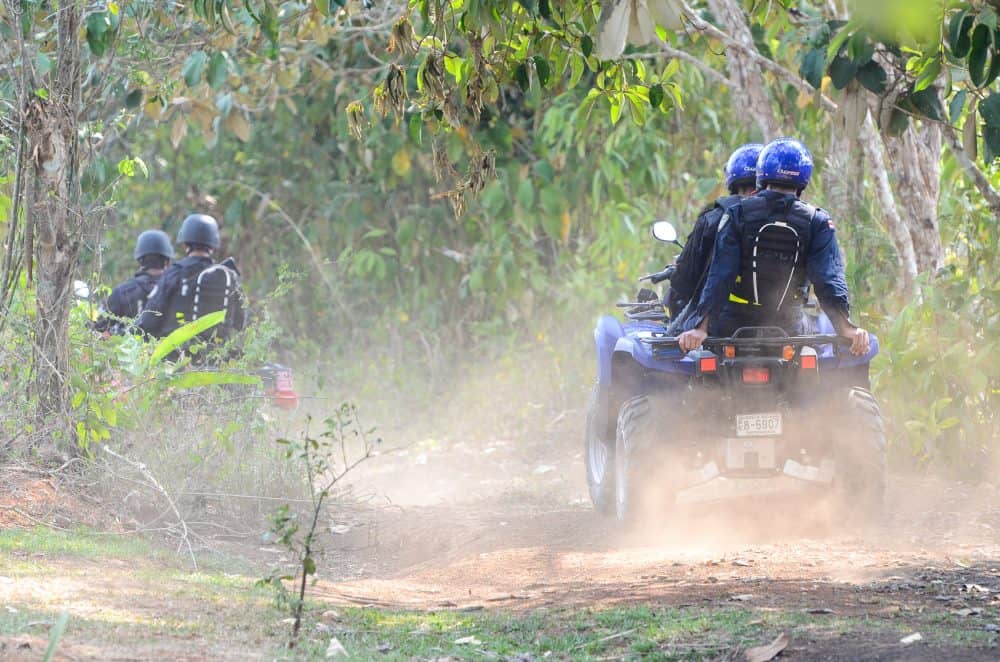
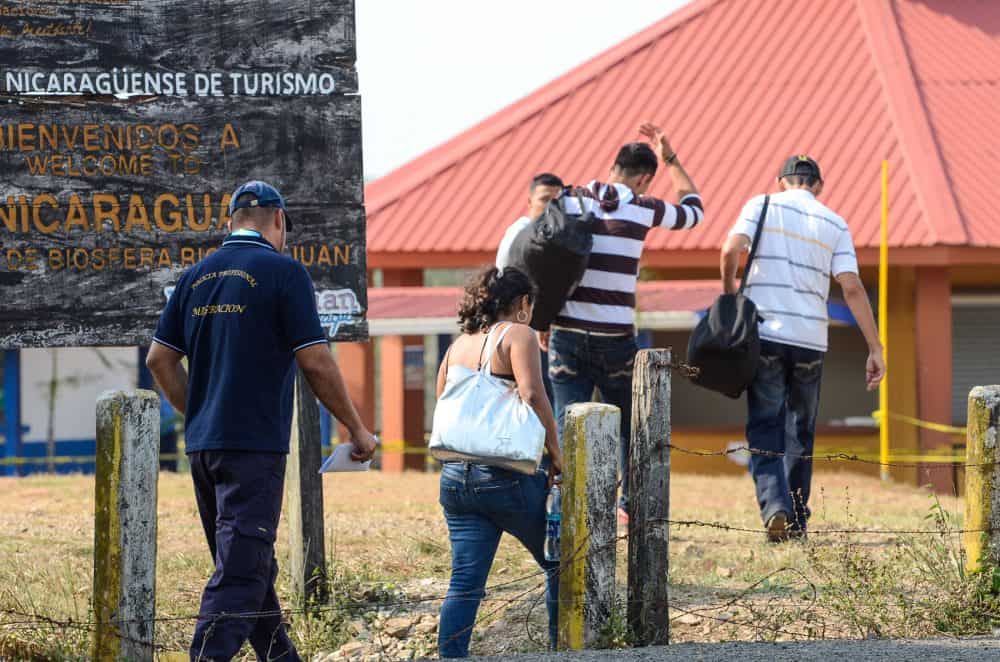
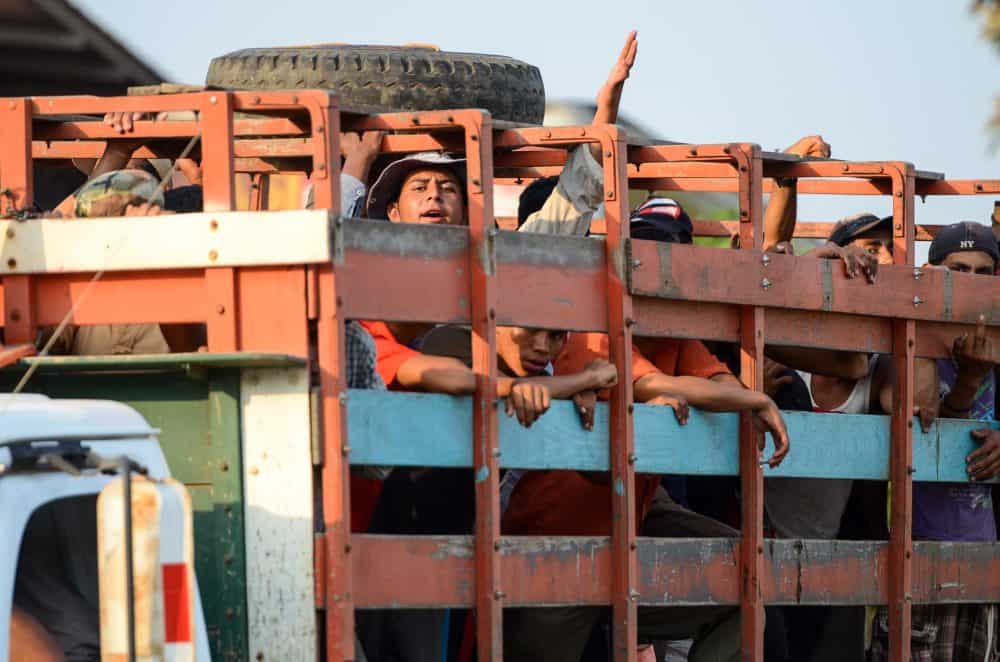
Most illegal crossers from Nicaragua get taken back across the border. Some make a first stop at the Costa Rican migration office in nearby Los Chiles.
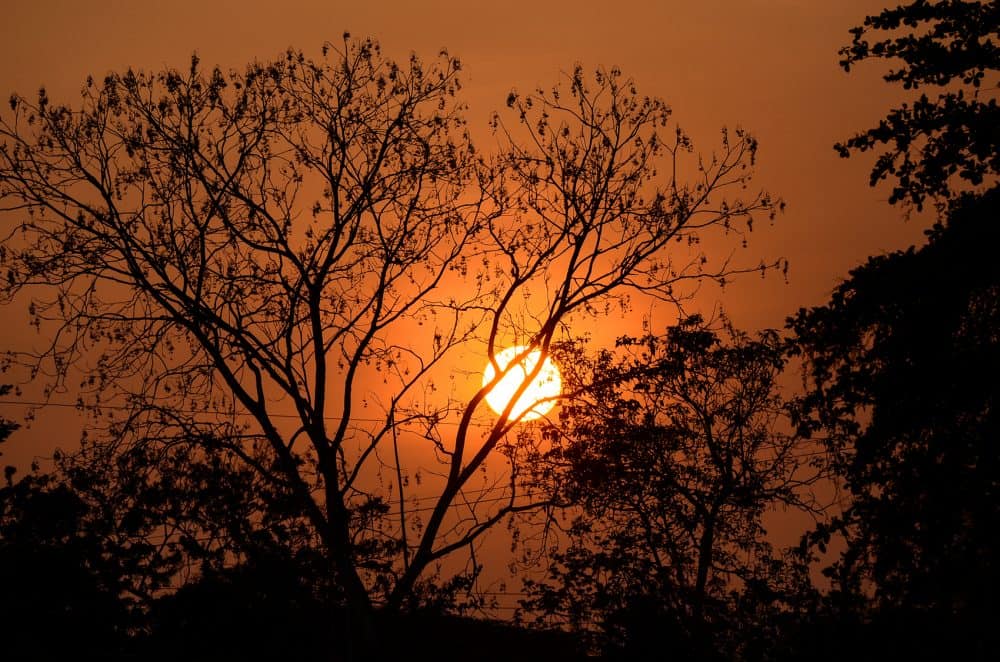
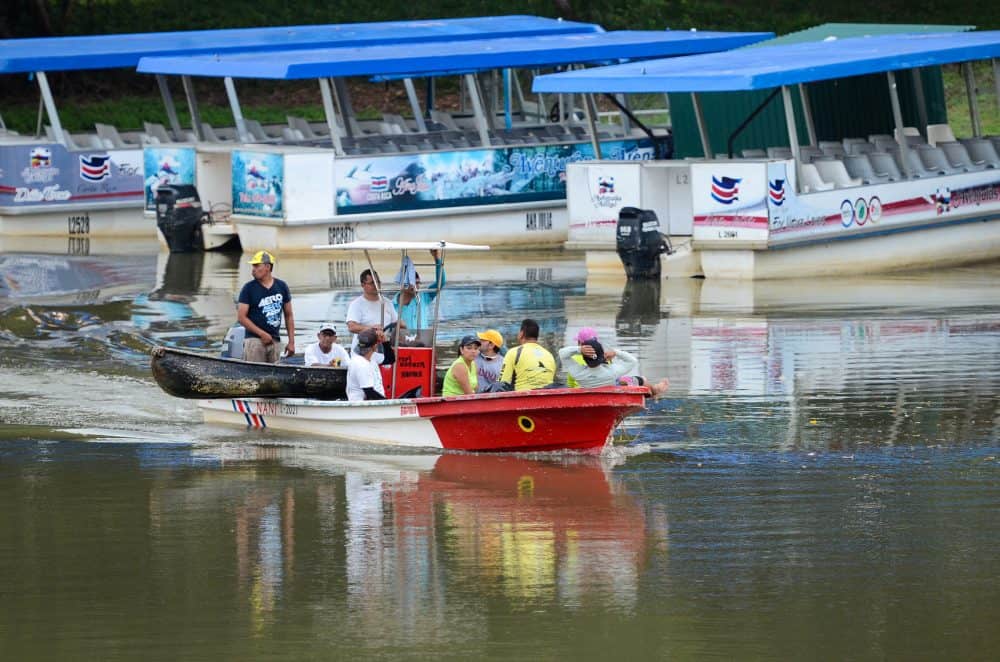
In the afternoon, a spectacular sun sets beyond the central plaza in Los Chiles, while residents of all ages play and chat. Along the bank of the nearby Río Frío, tour boats are parked and people lounge around.

The next morning, we head for Route 1856. The previous administration started the road, but construction was halted before completion due to corruption allegations and an international lawsuit filed by Nicaragua, alleging environmental damage to the San Juan River from construction runoff.
Here, the road runs right along the border with Nicaragua, but it took us awhile to find it. After driving through small towns and big pineapple fields, we finally hit what we thought was the right road.
We parked and I crossed the road to ask a group of people at a small “pulperia,” “Is this the ‘trocha?'”
“Yes,” one of them responds.
“And where is the border?” I asked.
“The road is the border,” he said. “Right now you’re in Nicaragua.”
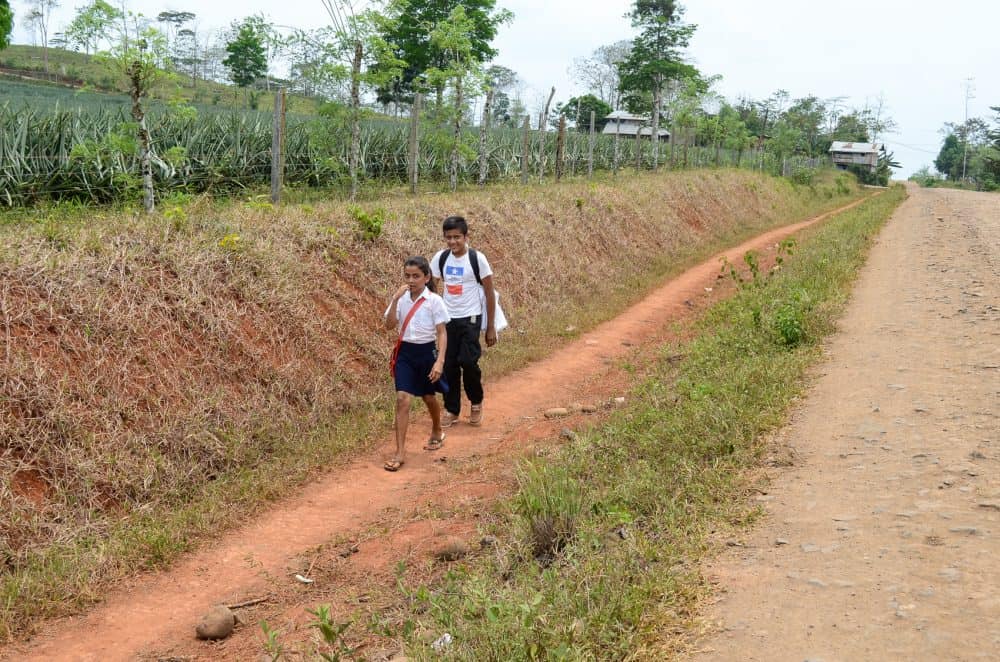
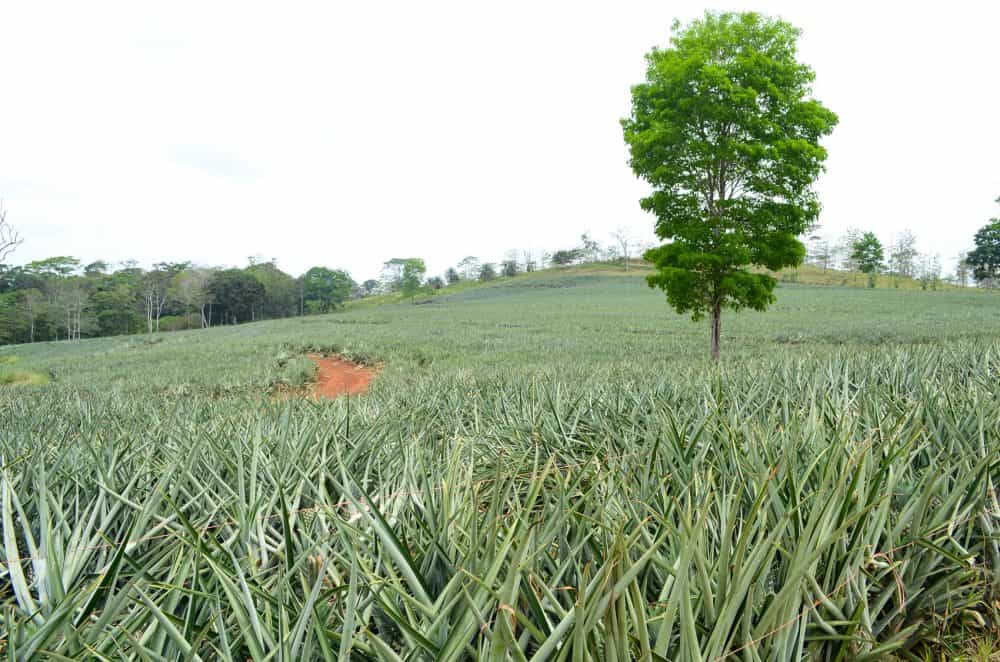
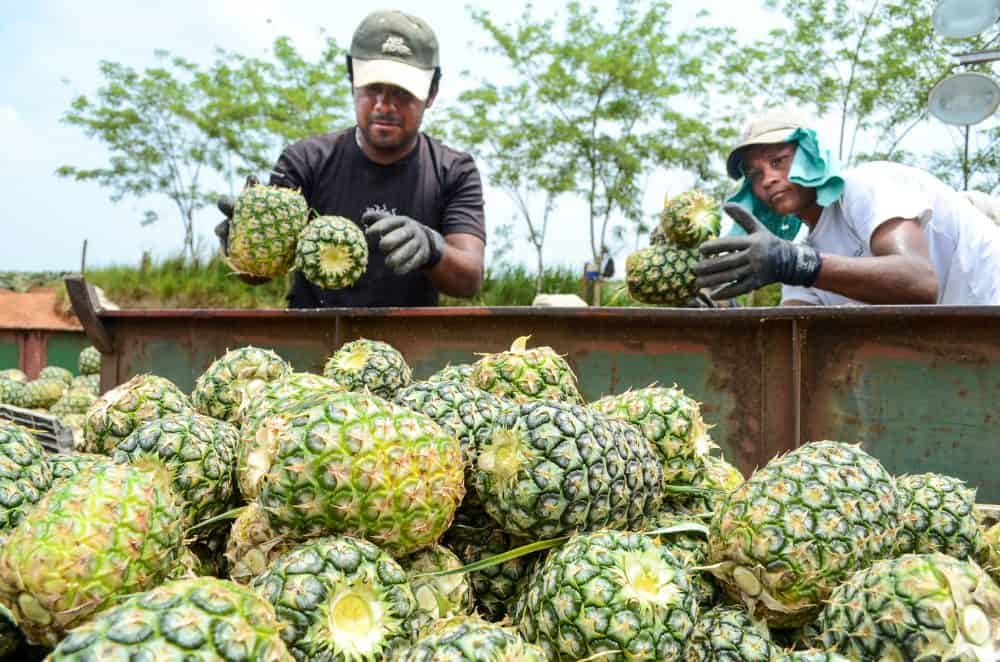
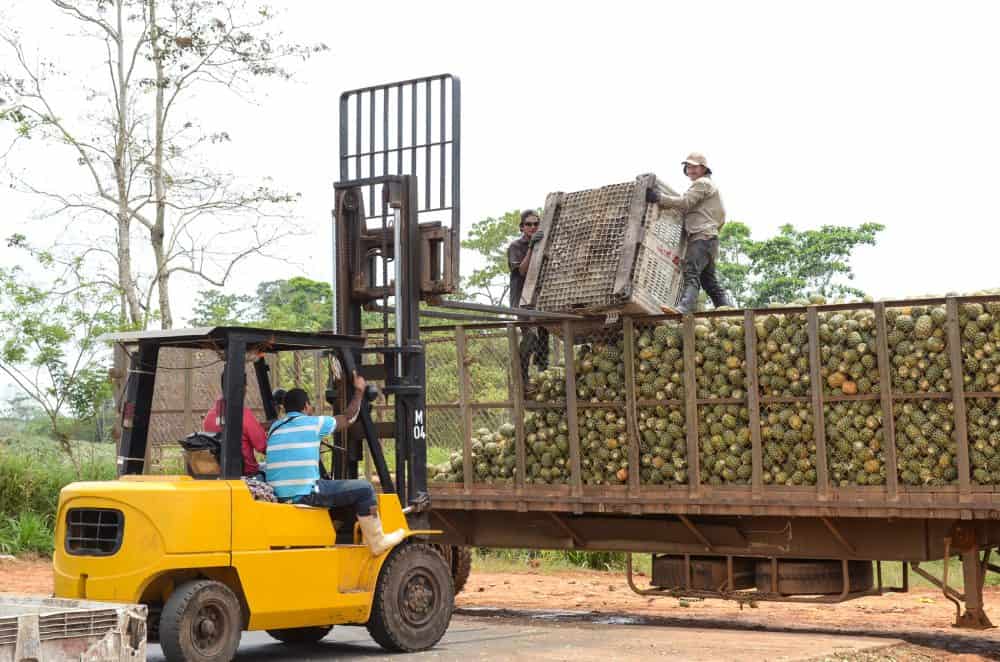
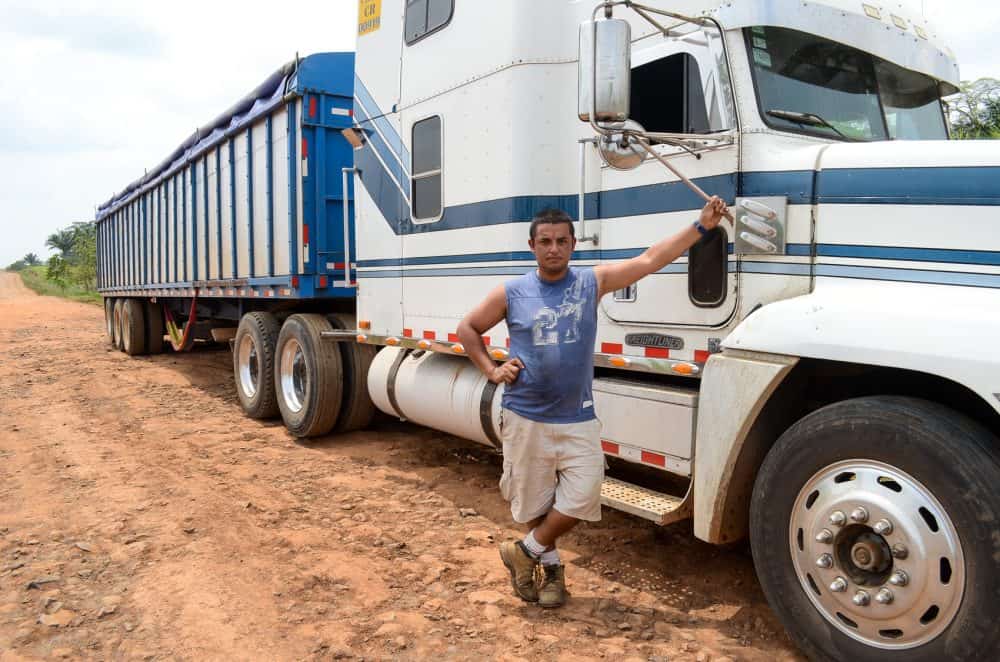
We head east on the road and see kids walking in school uniforms, and farmers, trucks and tractors from the pineapple fields. We come upon a group of workers selecting pineapples and loading them onto a big 18-wheeler. They explain that the road has helped pineapple transportation and tell us the road is exclusively for Costa Rican vehicle use.
“Nicaraguans walk on it, nobody cares, but Nicaraguan vehicles can’t drive on it, this is Costa Rica,” Antonio, a truck driver, said.
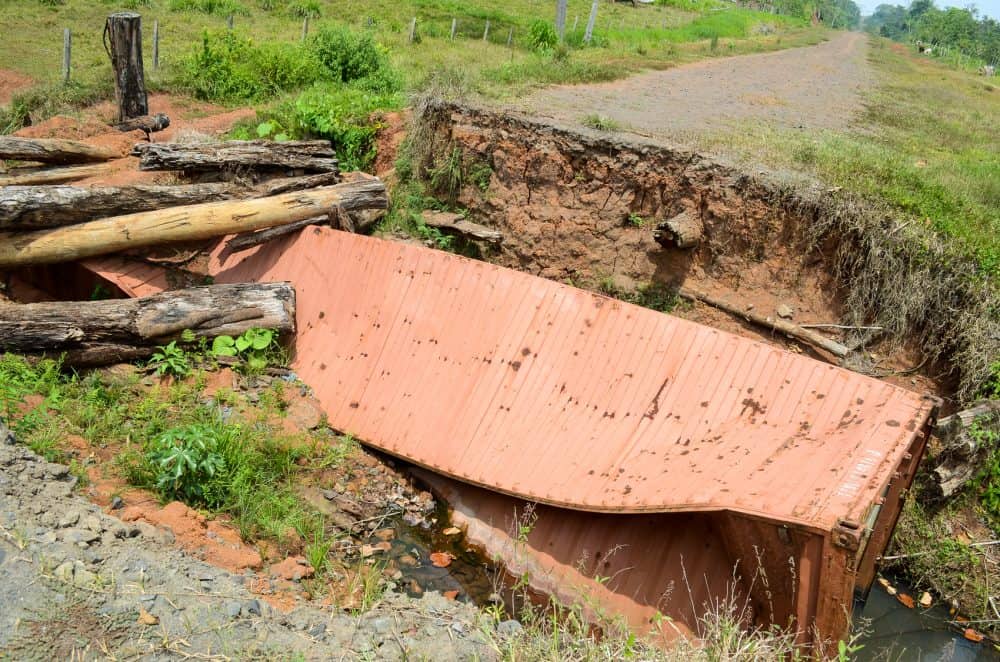
Despite their praise for the road, the group told us that it was still impossible to get to the next town because of collapsed bridges. We decided to see for ourselves, and after less that a kilometer, we hit the first one. It looked like someone had tried to fill the gap in the road with an empty truck container, but it had sunken down and caved in, leaving large gaps on either side. It was, indeed, impossible to cross.
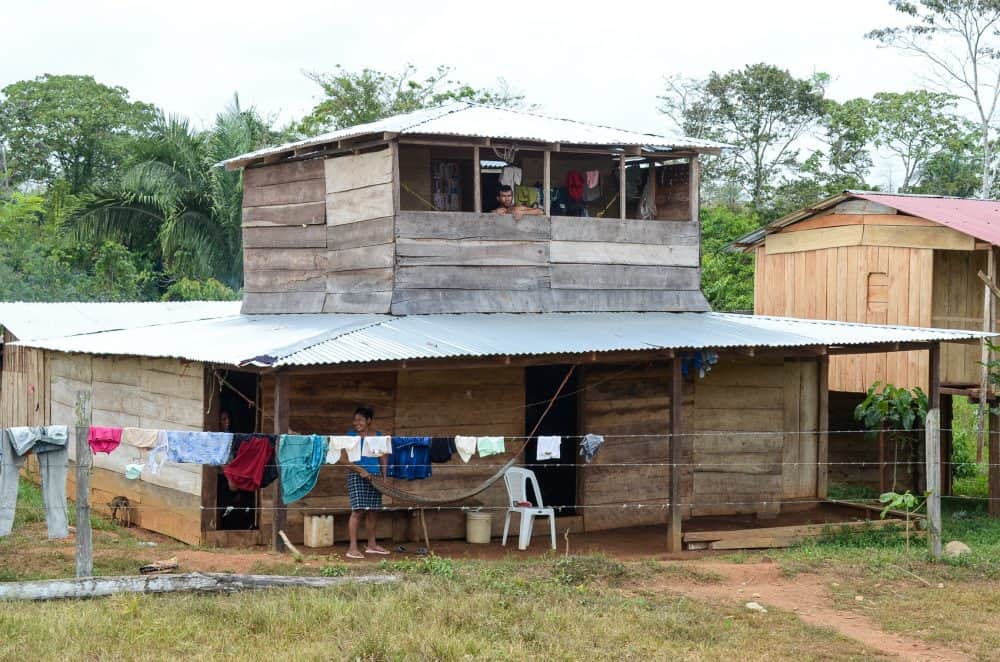
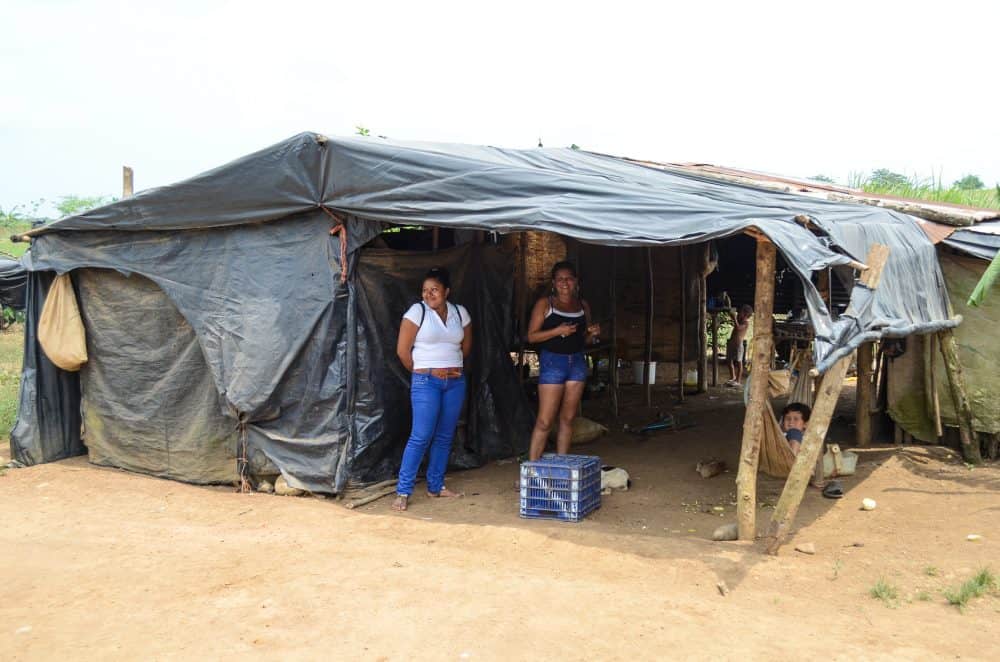
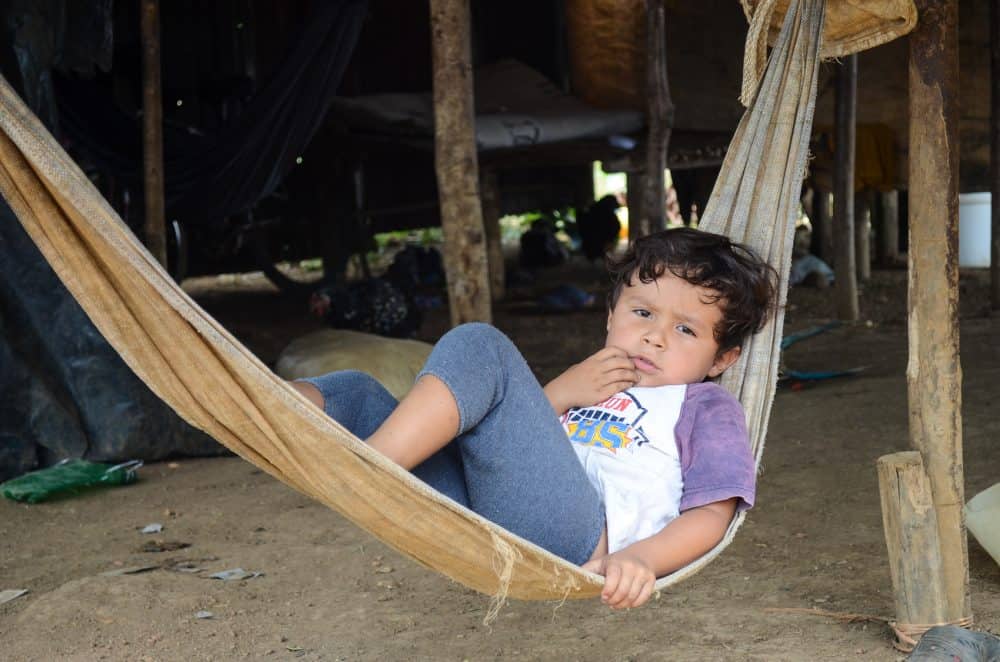
It was getting late, so we started heading back to Los Chiles. On the way, in between the pineapple fields, we found a group of very poor shanties. I went to talk to one family. They said they were squatters who moved away from the border because they knew they’d eventually get evicted.
In fact, last week Costa Rican authorities advised squatters living near Las Tabillas that they had five days to move out. By law, nobody is allowed to live within 2 kilometers of the border. Many people ignore the rule, but since Route 1856 was built, some moved to land along the road.
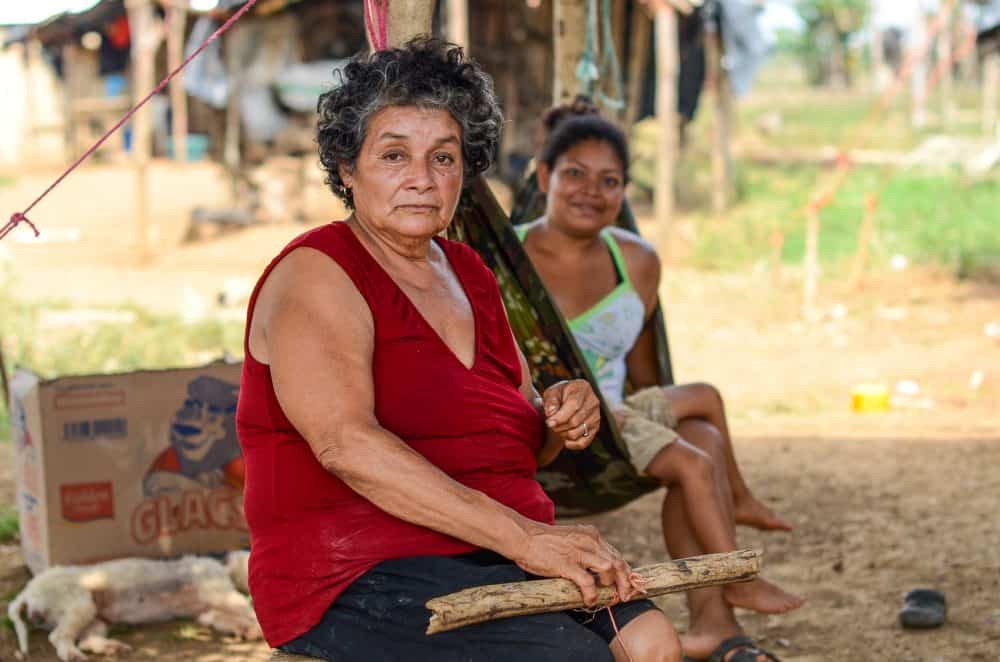
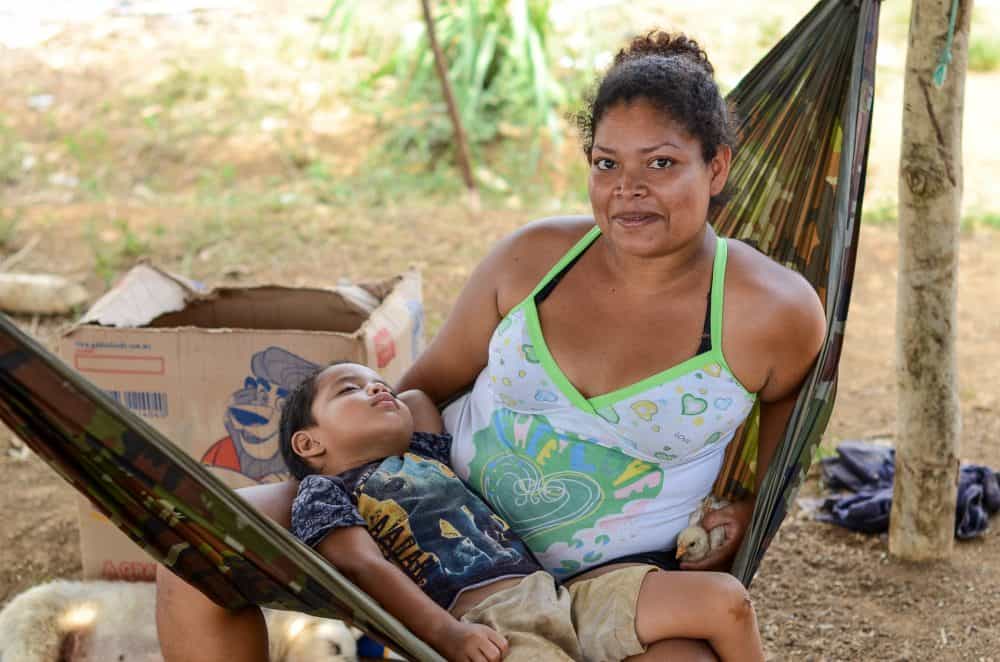
At another shack, Doña Josefa explained that she and her family had never owned a house or land, so they just move from one place to another. She said she has many kids and grandkids, some of whom go to school, while others stay home, helping with the little ones, or work in the pineapple fields.
“We hope some day the government will give us a piece of land where we can build our house and not have to move from one place to another,” she said hopefully. “This road has made transportation easier for us, but it’s very hard to live if you don’t have a place.”
The border hardly exists in this remote place. Local residents cross from one country to the other without even noticing it. Even in Los Chiles, people say the vast majority of the population has a Nicaraguan background. Until recently, more commerce was done between Los Chiles and other towns in Nicaragua, rather than in Costa Rica, locals say.
But the new border checkpoint is changing that, as it’s changing the lives of locals who previously thought little about national boundaries.