

LONDON — Humans risk causing irreversible and widespread damage to the planet unless there’s faster action to limit the fossil fuel emissions that cause climate change, according to a leaked draft United Nations report.
Global warming already is impacting “all continents and across the oceans,” and further pollution from heat-trapping gases will raise the likelihood of “severe, pervasive and irreversible impacts for people and ecosystems,” according to the document obtained by Bloomberg.
“Without additional mitigation, and even with adaptation, warming by the end of the 21st century will lead to high to very high risk of severe, widespread, and irreversible impacts globally,” the U.N. Intergovernmental Panel on Climate Change said in the draft.
The study is the most important document produced by the U.N. about global warming, summarizing hundreds of papers. It’s designed to present the best scientific and economic analysis to government leaders and policymakers worldwide. It feeds into the U.N.-led effort drawing in more than 190 nations for an agreement on limiting emissions.
The report “will provide policymakers with a scientific foundation to tackle the challenge of climate change,” IPCC Chairman Rajendra Pachauri said in a statement from the panel’s office in Geneva. “It would help governments and other stakeholders work together at various levels, including a new international agreement to limit climate change” that countries intend to broker by the end of next year.
Leaked report
The draft was obtained by Bloomberg from a person with official access to it who asked not to be further identified because it hasn’t been published yet. It’s subject to line-by-line revision by representatives of governments around the world, and a final report is scheduled to be published on Nov. 2 in Copenhagen.
Jonathan Lynn, a spokesman for the IPCC, declined to comment on the contents of the report. The draft “is still a work in progress, which will certainly change — indeed that is the point of the review — and so it would be premature to discuss its contents at this stage,” Lynn said.
https://twitter.com/Earth_Pics/status/504746450967085056
Economic losses for a warming level of 2.5 degrees Celsius (4.5 degrees Fahrenheit) above pre-industrial levels may reach 2 percent of global income, according to the panel, which acknowledged existing estimates are “incomplete,” and the calculation has “limitations.”
Rising temps
Temperatures have already warmed by 0.85 of a degree since 1880, it said. That’s quicker than the shift in the climate that brought the end of the last ice age ended about 10,000 years ago.
The panel also acknowledged there are costs associated with keeping the temperature rise since industrialization below the 2-degree target. That’s the level endorsed by the nations negotiating on a climate deal. Doing so may lead to losses in global consumption of 1.7 percent in 2030, 3.4 percent in 2050 and 4.8 percent in 2100, according to the paper.
“Risks from mitigation can be substantial, but they do not involve the same possibility of severe, widespread, and irreversible impacts as risks from climate change, increasing the benefits from near-term mitigation action,” the authors wrote.
The 127-page document includes a 32-page summary and is filled with language highlighting the dangers from rising temperatures. Those include damage to crop production, rising sea levels, melting glaciers and more pervasive heatwaves. The report mentions the word “risk” more than 350 times; “vulnerable” or “vulnerability” are written 61 times; and “irreversible” comes up 48 times.
Melting ice
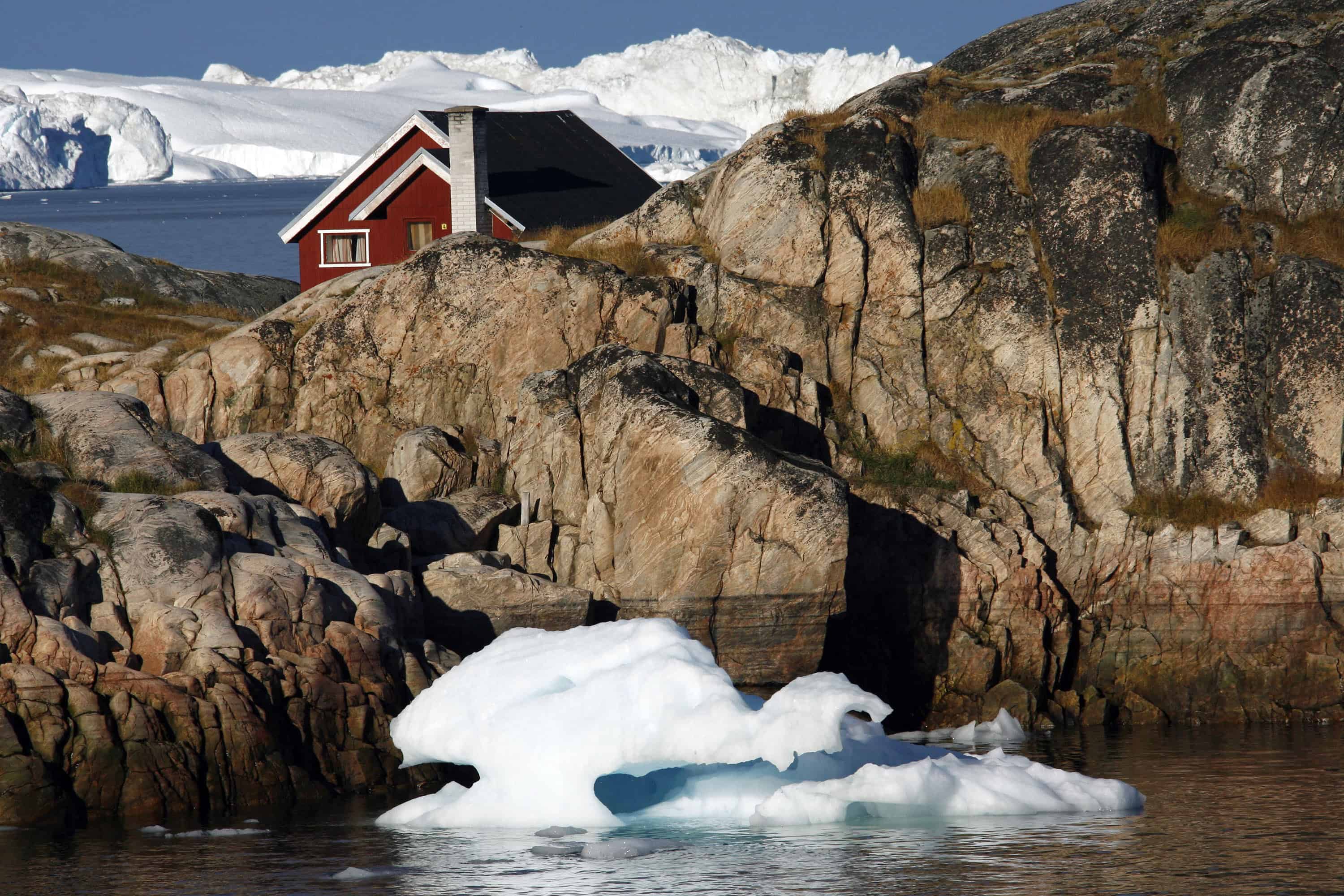
Possible permanent changes include the melting of the ice sheet covering Greenland. That would boost sea levels by as much as 7 meters (23 feet) and threaten coastal cities from Miami to Bangkok along with island nations such as the Maldives, Kiribati and Tuvalu.
The scientists said they have “medium confidence” that warming of less than 4 degrees Celsius would be enough to trigger such a melt, which would take at least a millennium.
Other impacts the report flags include reduced food security such as crops such as production of wheat, rice and maize in the tropics are damaged, the melting of Arctic sea ice, and the acidification of the oceans.
The report also shows the scale of the challenge in limiting global warming. To stand a two-thirds chance of meeting the temperature goal, cumulative emissions of carbon dioxide since 1870 must be limited to about 2,900 gigatons, according to the study. Two thirds of that carbon already has been released into the atmosphere, they said.
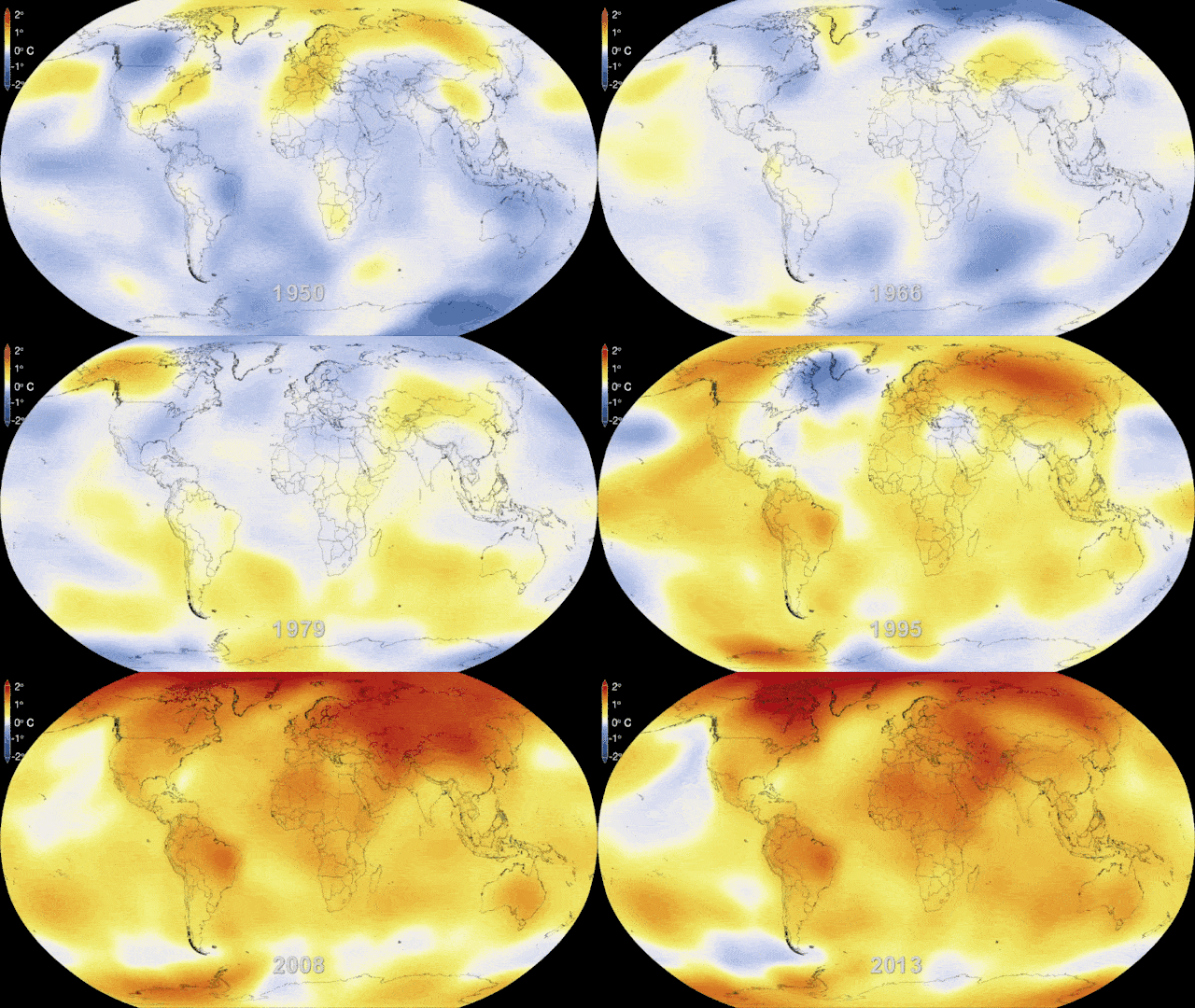
The surface air temperature is projected to rise under all scenarios examined by the IPCC. It expects a gain of 0.3 degrees to 4.8 degrees for this century, depending on what policies governments pursue. That range would lead to a sea-level rise of 26 centimeters (10 inches) to 82 centimeters in addition to the 19 centimeters already recorded.
“Many aspects of climate change and associated impacts will continue for centuries, even if anthropogenic emissions of greenhouse gases cease” the researchers said. “The risk of abrupt and irreversible change increases as the magnitude of the warming increases.”
While the measures exist that may keep temperature gains below the 2-degree threshold, there are “substantial technological, economic, social, and institutional challenges,” according to the study.
Cost of delay
Delaying action will only increase the risks and costs, it said. Putting off work on the issue until 2030 may raise costs by 44 percent through 2050, it said.
Ruling out certain technological solutions would also raise the costs of fighting climate change, according to the paper. Without equipment to capture emissions from factories and power plants and store them underground, known as carbon capture and storage, the cost of the most stringent CO2 reductions could more than double, according to the paper. Eliminating nuclear power would raise costs by 7 percent and limiting wind and solar farms would do so by 6 percent.
In a nod to skeptics who argue temperatures haven’t significantly warmed since 1998, the researchers said that climate models aren’t so good at explaining short-term fluctuations in the temperature and that “natural variability” may be part of what’s being observed.
#TarSands oil mining damages communities, water, land, & wildlife – and drives #climatechange. TAKE ACTION: http://t.co/OAWwMiGsMV
— Leonardo DiCaprio (@LeoDiCaprio) August 27, 2014
The pace of temperature increases slowed to about 0.05 of a degree per decade from 1998 through 2012 from 0.12 degrees per decade for the longer period spanning from 1951 to 2012. The IPCC said 111 out of 114 climate models predicted a greater warming trend than was observed from 1998 to 2012. And for the period from 1984 to 1998, most models showed less warming than was finally recorded, they said.
Over longer periods, the climate models seem to be more accurate. From 1951 to 2012, “simulated surface warming trends are consistent with the observed trend,” the IPCC researchers said.
The U.N. panel since September has published three separate reports into the physical science of global warming, its impacts, and ways to fight it. The study leaked Tuesday, called the “Synthesis Report” intends to pick out the most important findings and present them in a way that lawmakers can easily understand.
In all, more than 800 scientists from around the world have helped write the four reports, an exercise the U.N. last completed in 2007. It also uses inputs from earlier studies by the IPCC into renewable energy and extreme events and disasters.
© 2014, Bloomberg News





