

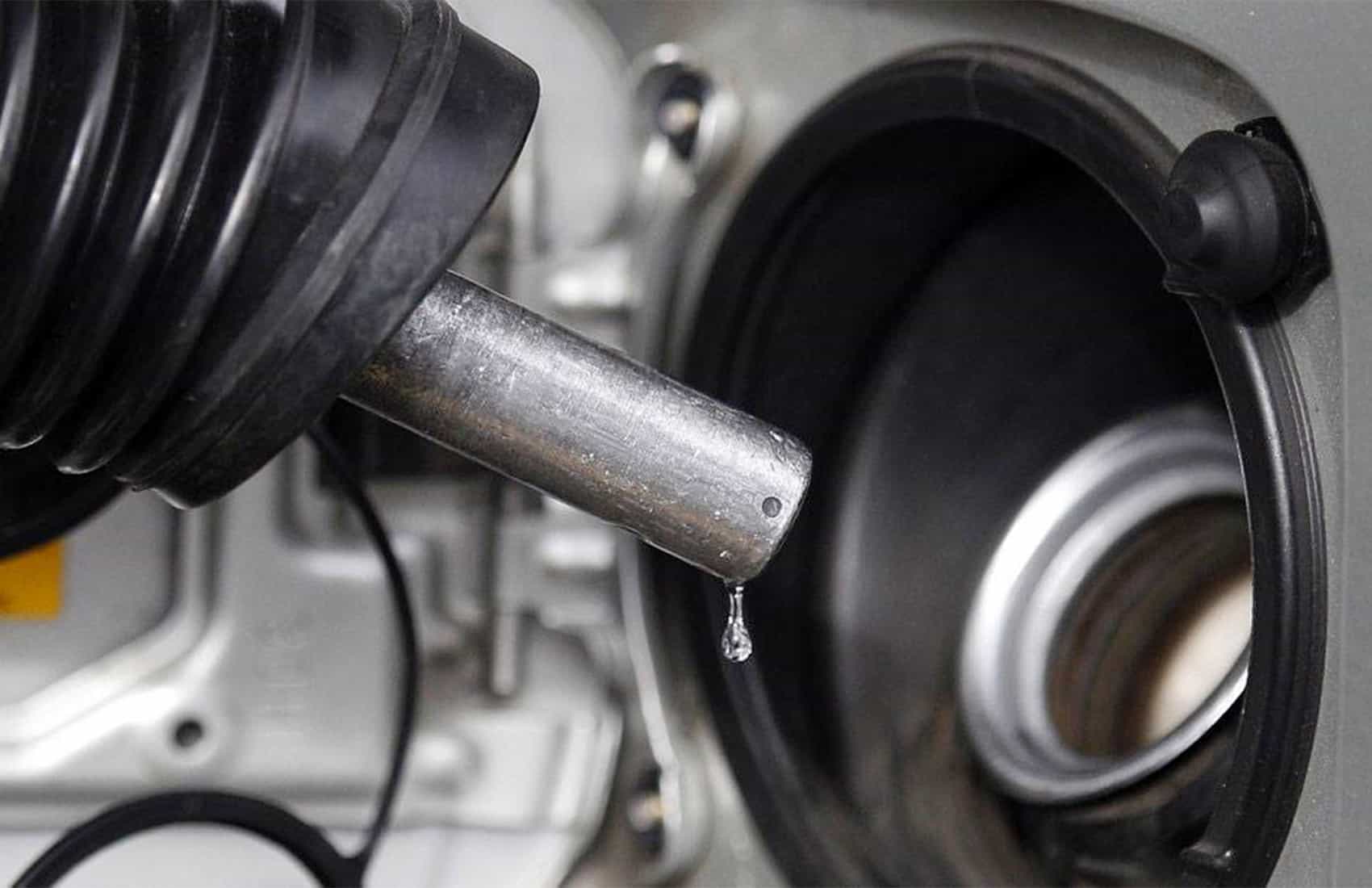
Filling your tank in Costa Rica should get cheaper in December but cooking with gas will cost more. The Costa Rican Oil Refinery (Recope) has asked regulators to cut the price of regular gasoline by ₡103 a liter, while the standard 11.3-kilogram (25-pound) cylinder of cooking gas would rise by ₡912, according to preliminary figures Recope presented on Friday to the Public Services Regulatory Authority (Aresep).
Under the proposal, regular gasoline would fall from ₡807 to ₡704 a liter, a drop of about 13%. Super would fall ₡28, from ₡805 to ₡777, and diesel would ease by ₡9, from ₡807 to ₡798. The 25-pound gas cylinder, the best-selling size in the country, would climb from ₡7,721 to ₡8,633, an increase of about 12%. None of the new prices is final. Aresep must review Recope’s figures and approve them before they take effect.
For anyone driving, the cut on regular is by far the largest of the three. At the proposed price, a liter of regular would cost about $1.58, or roughly $5.97 per US gallon, at the current exchange rate. On a 45-liter (11.9-gallon) tank, the change would save about ₡4,635, or roughly $10, each time you fill up. It would also undo an unusual situation that began in October, when regular became more expensive than premium. In December, regular would again cost ₡73 less per liter than super.
Recope attributed the lower gasoline and diesel prices to falling international oil prices, easing geopolitical tensions in the Middle East and greater availability of crude on world markets, according to Teletica. The gas increase has a different cause. Recope said cooking gas it bought on international markets at higher prices during October kept later price declines from showing up in this adjustment, Monumental reported.
The cylinder increase will be felt in a lot of kitchens. About half of Costa Rican households use liquefied petroleum gas, mostly for cooking, according to Aresep. At the proposed price, a 25-pound cylinder would cost about $19.35, up from about $17.31. If you are due to swap a tank, buying before the new price takes effect would save you the difference, and it is worth taking 30 seconds to check that the cylinder is safe before you carry it home.
The December adjustment follows a stretch of rising energy costs. Fuel and transport fares drove consumer prices higher for a second straight month in October, when diesel alone rose more than 17%, and Costa Rica has paid $701 million more for imported fuel this year. Aresep has not said when the new prices would take effect. Adjustments normally apply from the day after the regulator’s resolution is published in the official gazette, La Gaceta.





