

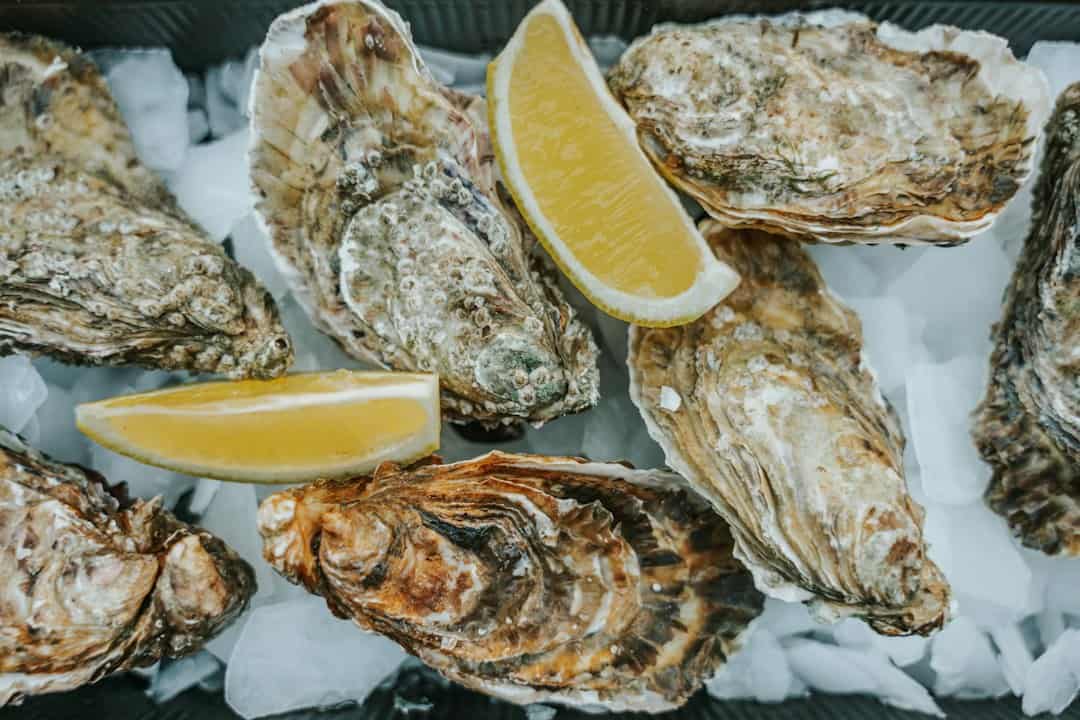
If you plan to order oysters, mussels or pianguas anywhere around the Gulf of Nicoya, ask where they came from first. Costa Rica’s National Animal Health Service (SENASA) has widened the zones where selling and eating these shellfish is banned because of a toxic red tide. The new restrictions cover shellfish harvested on the western shore of the gulf between Playa Blanca and Punta Curú.
They also cover the coastal strip from the mouth of the Jesús María River to the sugar dock at Punta Morales. This is not a new alert. Red tide restrictions have been in place in the gulf since June 12, according to researchers at the National University (UNA), and the restricted zones have grown as lab tests find toxins at new points.
SENASA based this latest expansion on the recommendation of an interagency commission that includes UNA’s Marine Phytoplankton Laboratory. The ban applies to bivalves, the two-shelled mollusks such as oysters, mussels and pianguas. They feed by filtering seawater, so when toxic algae bloom, the toxins build up in their flesh.
The hard part is that you cannot tell a contaminated shellfish from a safe one. UNA specialists say the toxins do not change how the shellfish look, smell or taste. Cooking does not destroy them either, so a well-cooked plate is no safer than a raw one. The algae involved can produce paralytic, diarrheic, amnesic and neurotoxic toxins, according to UNA. The species identified as the source of the paralytic toxins in the gulf is Pyrodinium bahamense.
SENASA has warned in earlier advisories that eating contaminated bivalves can cause anything from digestive problems to neurological effects and, in severe cases, death. If you feel tingling or numbness around your mouth, nausea or dizziness after eating shellfish, get medical care right away and tell the doctor what you ate.
UNA experts say the current event may be linked to El Niño. Warmer seas and a more layered, stratified water column can favor the growth of Pyrodinium bahamense. The species also has a dormant stage in seabed sediments that works like a bank of seeds. Those cysts need to be stirred back up by ocean processes tied to winds and tides before they germinate, and UNA says that part of the cycle still needs study.
The same warm-water conditions are already weighing on the gulf’s coastal communities, where El Niño has left fishermen with catches too small to pay for fuel. Until the restrictions lift, buy shellfish only from sellers who can tell you exactly where it was harvested. At restaurants and ceviche stands, ask about the source. If no one can give you a clear answer, skip the oysters, mussels and pianguas.
The measure covers bivalve mollusks only. Authorities continue to monitor the algal blooms and have redrawn the restricted zones each time new test results come in.





