

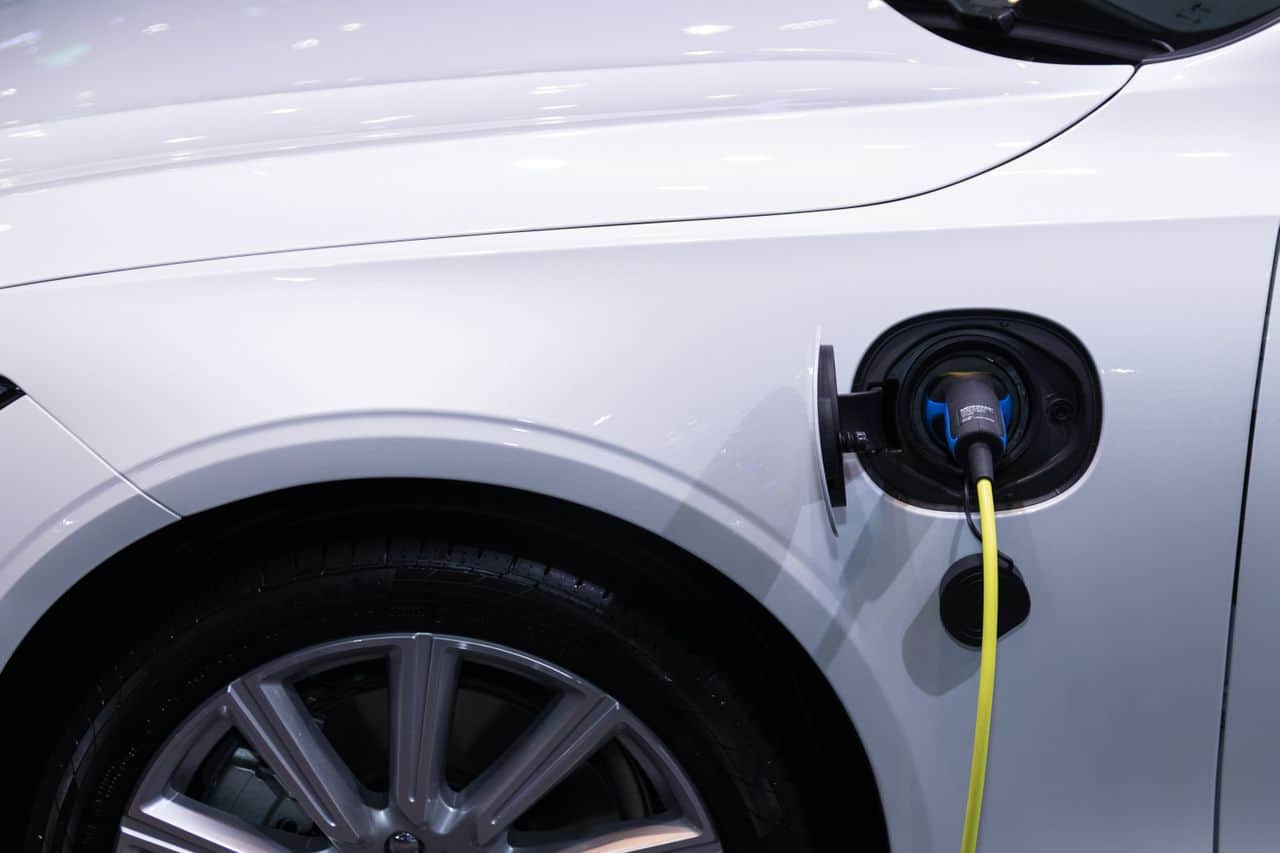
Anyone thinking about buying an electric vehicle in Costa Rica could eventually face a much higher tax bill under a new government proposal that would end several of the incentives that have helped make electric cars increasingly common. The Ministry of Finance presented a bill called the Law on the Tax Benefits Regime and Control of Tax Expenditure to the Legislative Assembly as part of a broader effort to reduce tax exemptions and increase government revenue.
The proposal is much wider than electric vehicles, but buried within it is a significant change for car buyers because it would repeal two sections of Costa Rica’s electric transportation law that currently give electric vehicles, batteries and certain replacement parts special tax treatment.
For someone shopping for a car, the most important thing to understand is that this is only a proposal at this point, not a new tax that has already taken effect, so electric vehicles being bought and imported now continue to fall under the existing system while the bill begins what could be a lengthy debate in the Legislative Assembly. The proposal can also be amended, rejected or substantially changed before lawmakers take a final vote.
Under Costa Rica’s current system, electric cars do not simply pay no taxes, as is sometimes assumed, because the incentives were designed to gradually disappear over a period of years. The IVA, or value-added tax, began at 1% in 2023 and has been increasing by one percentage point each year, putting the rate at 4% in 2026 instead of the normal 13%, while the exemptions for the selective consumption tax and customs-value tax are also being reduced in stages through 2034.
The selective consumption tax is a good example of how that system works in practice, because electric vehicles are now paying 25% of the normal tax that would apply to the vehicle rather than being completely exempt. For a vehicle subject to the standard 30% selective consumption rate, that means an effective tax of 7.5% today, with the amount already scheduled to rise again under the existing law in 2028, 2031 and finally to the full rate in 2034.
What Hacienda is proposing would essentially cut that timetable short by removing the temporary incentives rather than waiting for them to expire gradually, which could make electric vehicles more expensive sooner than buyers had expected if lawmakers approve the bill in its current form. The exact increase would not be identical for every vehicle because import duties and some other taxes can depend on the vehicle, its value and where it comes from, so there is no single percentage that can accurately be added to every electric car sold in Costa Rica.
The proposal would also affect more than the car itself, since it seeks to repeal the exemption covering certain replacement parts connected to electric motors and batteries, benefits that were included in the original law to reduce the cost of owning and repairing electric vehicles while the market was developing.
There is one important distinction for people who already own an electric vehicle and are worried about their annual marchamo, because the property-tax discount included in the marchamo was already nearing the end of its life under existing law. Electric vehicles covered by the newer incentive system receive a 20% exemption from the vehicle property tax in 2026, but that benefit is already scheduled to disappear in 2027, regardless of the new proposal now before lawmakers.
That means the biggest practical question raised by the new bill is not whether current EV owners suddenly lose a permanent marchamo discount, because that discount was already temporary, but whether people buying or importing an electric vehicle in the coming years will lose the remaining IVA, selective consumption and customs-related savings much sooner than expected.
The timing matters because electric vehicles have moved well beyond being a niche product in Costa Rica. Ministry of Environment and Energy data showed 44,430 electric vehicles registered as of March 2026, while the Costa Rican Electric Mobility Association (Asomove), reported that electric models accounted for about 20% of new vehicle registrations during the first half of this year.
Hacienda argues that the electric vehicle provisions should be viewed as part of a much larger review of the tax breaks Costa Rica grants to different sectors, rather than as a measure aimed only at electric cars. In announcing bill 25.797, the ministry said it wants to improve oversight of tax benefits, increase revenue and keep only exemptions that the government considers justified by the Constitution, international agreements or specific public-policy reasons.
The issue is likely to become part of a broader debate over how long Costa Rica should continue subsidizing the transition to electric transportation. The incentives were originally created to make electric cars more competitive with gasoline and diesel vehicles at a time when prices were considerably higher and the selection was much smaller, while the government now argues more generally that tax exemptions need to be reviewed because they represent revenue the state chooses not to collect.
For those currently comparing an electric vehicle with a gasoline model, however, nothing changes at the dealership today. The point to watch is what happens to the bill in the Legislative Assembly, because approval of the proposal in anything close to its present form could change the cost calculation for future EV purchases by bringing Costa Rica’s normal vehicle taxes back much sooner than the timetable buyers have been working with.





