

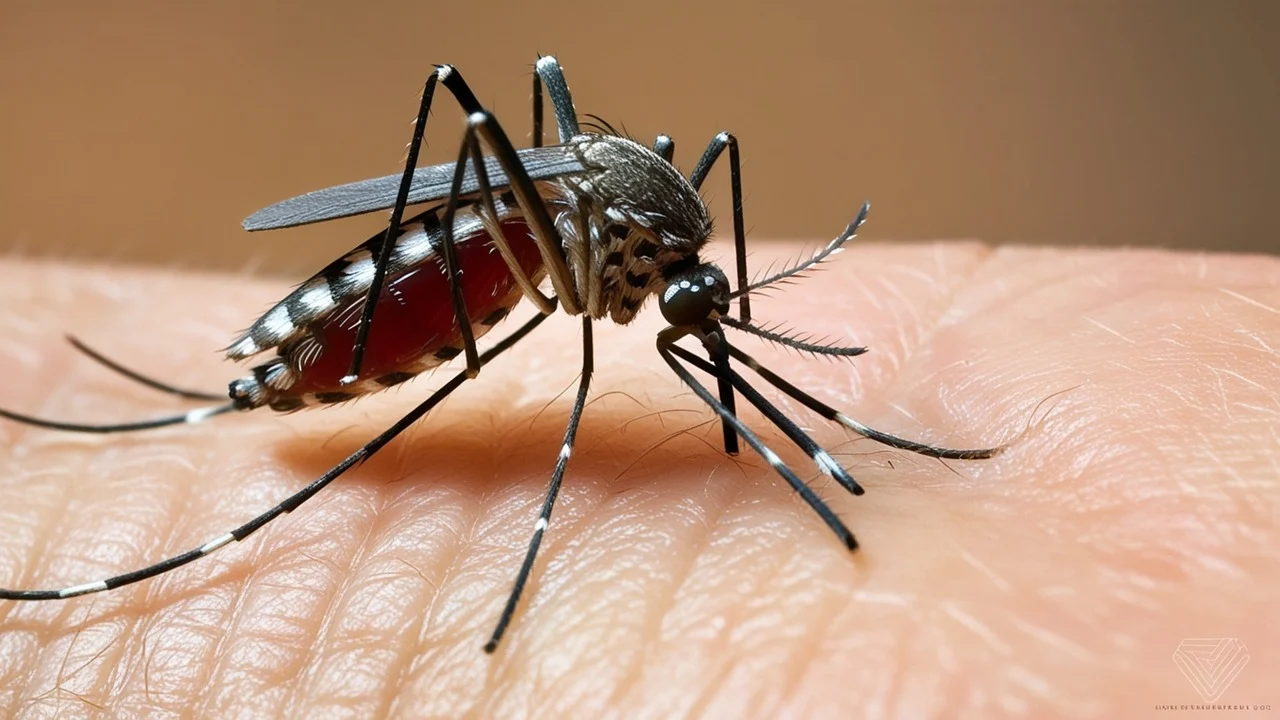
If you’re in Costa Rica or heading here soon, mosquitoes deserve more of your attention than usual. The U.S. Centers for Disease Control and Prevention (CDC) has added Costa Rica to its list of countries with a higher-than-expected dengue risk. The update came on Sept. 3, and the U.S. Embassy in San José passed it on to U.S. citizens in a health alert on Sept. 11.
Costa Rica joins Colombia, Vietnam, the Maldives, Bolivia, Cambodia, Kenya, Malaysia, Sri Lanka, Bangladesh, the Marshall Islands and Vanuatu on the list. This is not a travel warning. Costa Rica stays at Level 1, the lowest step on the CDC’s travel health scale, which means “practice usual precautions.” Nothing about the CDC’s travel recommendations has changed.
What the listing does mean is that dengue is more active than normal. Countries land on the list when they report more cases than usual, or when more U.S. travelers than expected come home sick with dengue after a visit. Either way, your odds of being bitten by an infected mosquito are higher right now.
The numbers here back that up as Costa Rica’s Ministry of Health has recorded 4,172 dengue cases through the 34th epidemiological week of 2026, compared with 2,751 at the same point in 2025. Earlier in the year, the ministry reported the Central Pacific region had the highest infection rate in the country, while the North Central region had the most cases overall.
The timing is not by coincidence as dengue spreads most during the rainy season, when puddles, gutters and discarded containers fill with water. The Aedes mosquito that carries the virus breeds in very small amounts of standing water and bites mostly during the day. Protecting yourself comes down to not getting bitten. Use an EPA-registered repellent with DEET, picaridin or IR3535, and reapply it as the label directs. Wear long sleeves and long pants outdoors, especially around dawn and late afternoon.
Where you sleep matters too. Choose rooms with air conditioning, window screens or mosquito nets. If you’re staying in a rental home, walk the property and empty anything holding water, from plant saucers and buckets to old tires and bottle caps. A single forgotten container can produce a steady supply of mosquitoes.
Know the symptoms, because the illness can show up as long as two weeks after the bite. That means you may feel fine the whole trip and get sick after you’re home. Watch for fever, headache, pain behind the eyes, muscle or joint pain and rash. See a doctor if you develop those symptoms during or after your time in Costa Rica. Get help quickly if you have severe stomach pain, repeated vomiting or bleeding from the nose or gums, since these can signal severe dengue. In an emergency in Costa Rica, call 911.
Don’t treat yourself before a diagnosis. Health authorities warn against self-medicating, and the CDC advises against aspirin and ibuprofen for suspected dengue because they can raise the risk of bleeding. Acetaminophen is the usual option for fever and pain, but check with a doctor first.
Most people recover within a week. The illness can still knock you flat, and a second infection with a different strain of the virus carries a higher risk of severe disease, so prevention pays off even if you’ve had dengue before. Dengue is not the only mosquito-borne illness on health officials’ radar this year. The CDC also has an active notice for a chikungunya outbreak in northwest Costa Rica, and the same precautions protect against both.
For anyone living in or visiting Costa Rica during the rainy season, the steps are easy to follow and the payoff is obvious. Clear standing water, cover up, use repellent and see a doctor early if a fever appears.





