

Costa Rica and the State Distance University are renewing an effort to have Chirripó recognized as Costa Rica’s first UNESCO Global Geopark, a designation intended to protect its geological heritage while spreading tourism benefits to nearby communities.
The State Distance University (UNED), is working with the National System of Conservation Areas (SINAC), to develop the proposed Chirripó Global Geopark. The project would combine scientific research, environmental education, local culture and sustainable tourism across Chirripó National Park and its surrounding communities.
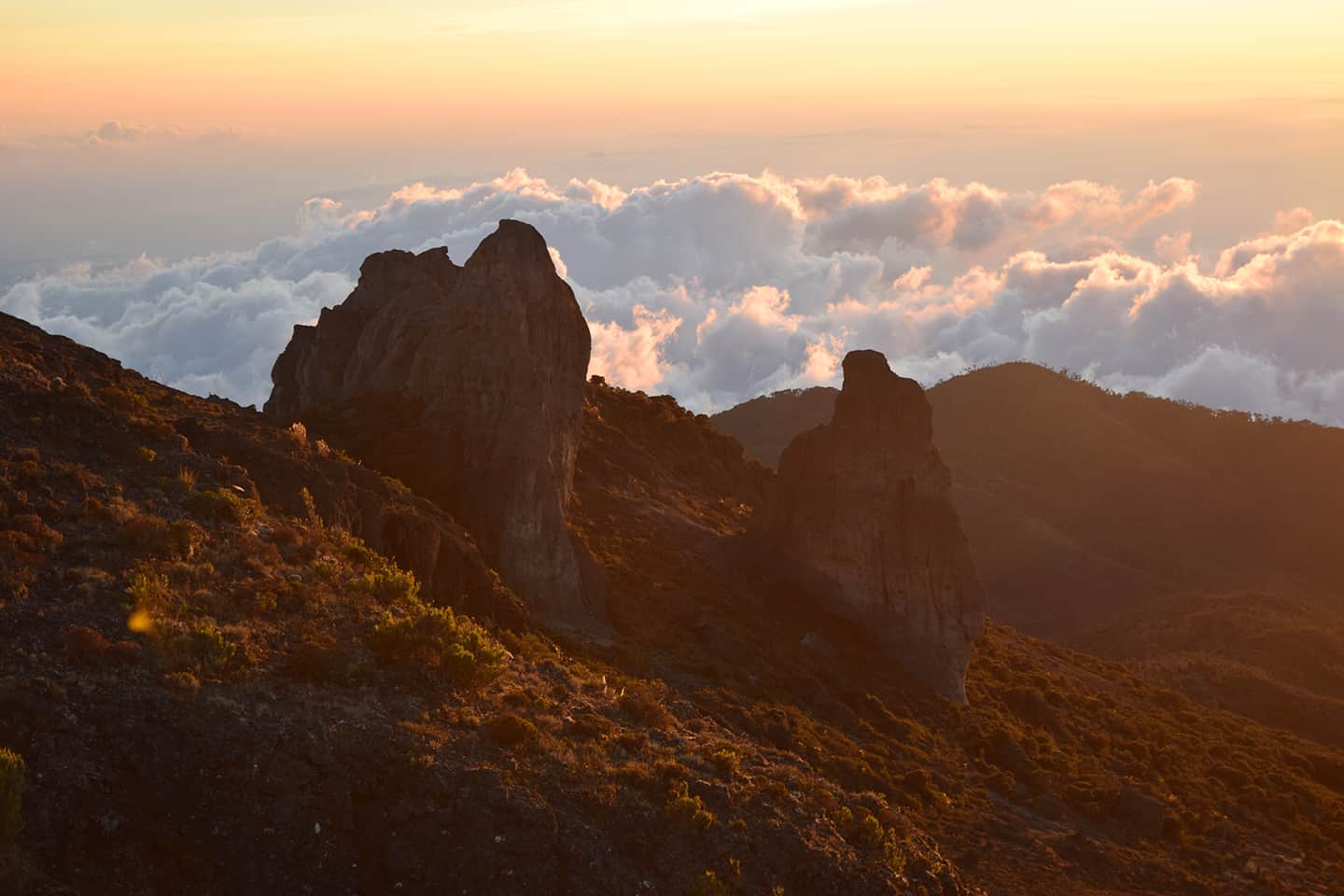
The proposed territory covers more than 105,000 hectares, equivalent to about 405 square miles. It includes Cerro Chirripó, Costa Rica’s highest point at 3,822.6 meters, or approximately 12,541 feet, above sea level. The mountain’s landscape still carries evidence of the glaciers that covered the area during the last Ice Age Its U-shaped valleys, moraines, terraces and glacial lakes give scientists a record of how Costa Rica’s highest mountains developed over thousands of years.
UNED and SINAC currently describe Chirripó as an “aspiring” geopark. That means organizers are building the management structure, documenting geological sites and working with communities before seeking final approval. It does not mean UNESCO recognition has already been granted.
Chirripó is not among the 14 new geopark applications that UNESCO received for formal evaluation in 2026, and authorities have not announced when they expect to submit a new application. UNESCO’s process normally stretches across three calendar years, beginning with a letter of intent and a formal application, followed by document reviews, a field visit and a final decision.
This is also not Costa Rica’s first try to get the designation for Chirripó. It submitted an application in 2017, followed by a UNESCO evaluation visit in July 2018. The UNESCO Global Geoparks Council later concluded that the proposal did not meet the program’s requirements and rejected it. Recommendations included creating a clearer identity for the geopark separate from the national park and improving its visibility and organization.
The renewed initiative appears designed to address some of those weaknesses by giving local organizations a larger role. A committee now includes representatives from universities, SINAC, municipalities, schools, community groups and local businesses. The Ministry of Agriculture and Livestock and MINAE’s Directorate of Geology and Mines are also participating.
During a recent meeting at SINAC’s Villa Mills station, committee members spoke with representatives of UNESCO’s Costa Rica office about the project’s progress. Working groups have also been created to focus on geological education and the management of risks at important sites. Organizers are planning a workshop to begin designing tourism routes around the region’s geological attractions.
UNED natural resources specialist Zaidett Barrientos Llosa said the project should involve schools, community businesses and residents rather than being managed solely by government agencies and scientists. Environment and Energy Minister Mónica Navarro Del Valle made a similar point, saying residents should become the principal participants and beneficiaries in managing the area.
The idea is to offer more than the demanding hike to Costa Rica’s highest summit. Enzo Vargas Salazar, administrator of Chirripó National Park, said geological routes and educational activities could draw attention to the area’s lakes, valleys, rock formations, biodiversity and cultural heritage while generating income for surrounding communities.
UNESCO Global Geoparks are territories where geological sites of international importance are managed through conservation, education and sustainable development. The program emphasizes local participation and requires applicants to show that the territory has already functioned as a geopark before submitting a formal application.
UNESCO currently recognizes 241 Global Geoparks in 51 countries. Costa Rica does not yet have one. The designation would be separate from Chirripó’s existing international protections. The park is already part of the Talamanca Range–La Amistad Reserves World Heritage Site, which Costa Rica shares with Panama.





