

The United States has requested the extradition of three Costa Ricans and a Mexican citizen accused of helping an international drug network move cocaine through clandestine airstrips in Guanacaste.
The four men have been held in preventive detention since December 2025, when Costa Rican authorities intercepted three vehicles near Daniel Oduber Quirós International Airport in Liberia. Police found approximately 400 kilograms (882 pounds) of cocaine hidden inside a compartment in one of the vehicles.
Authorities identified the suspects by their surnames as Costa Ricans Carvajal Duarte, 51; Rodríguez Ramírez, 50; and Castillo García, 36, along with Mexican citizen Takashima Montoya, 44. Investigators allege that Takashima supervised and controlled the organization’s drug shipments.
The extradition request came from the U.S. District Court for the Eastern District of Wisconsin and involves alleged international drug trafficking offenses. Carvajal and Rodríguez are also wanted on firearms allegations. The request will now be handled by a criminal court in San José.
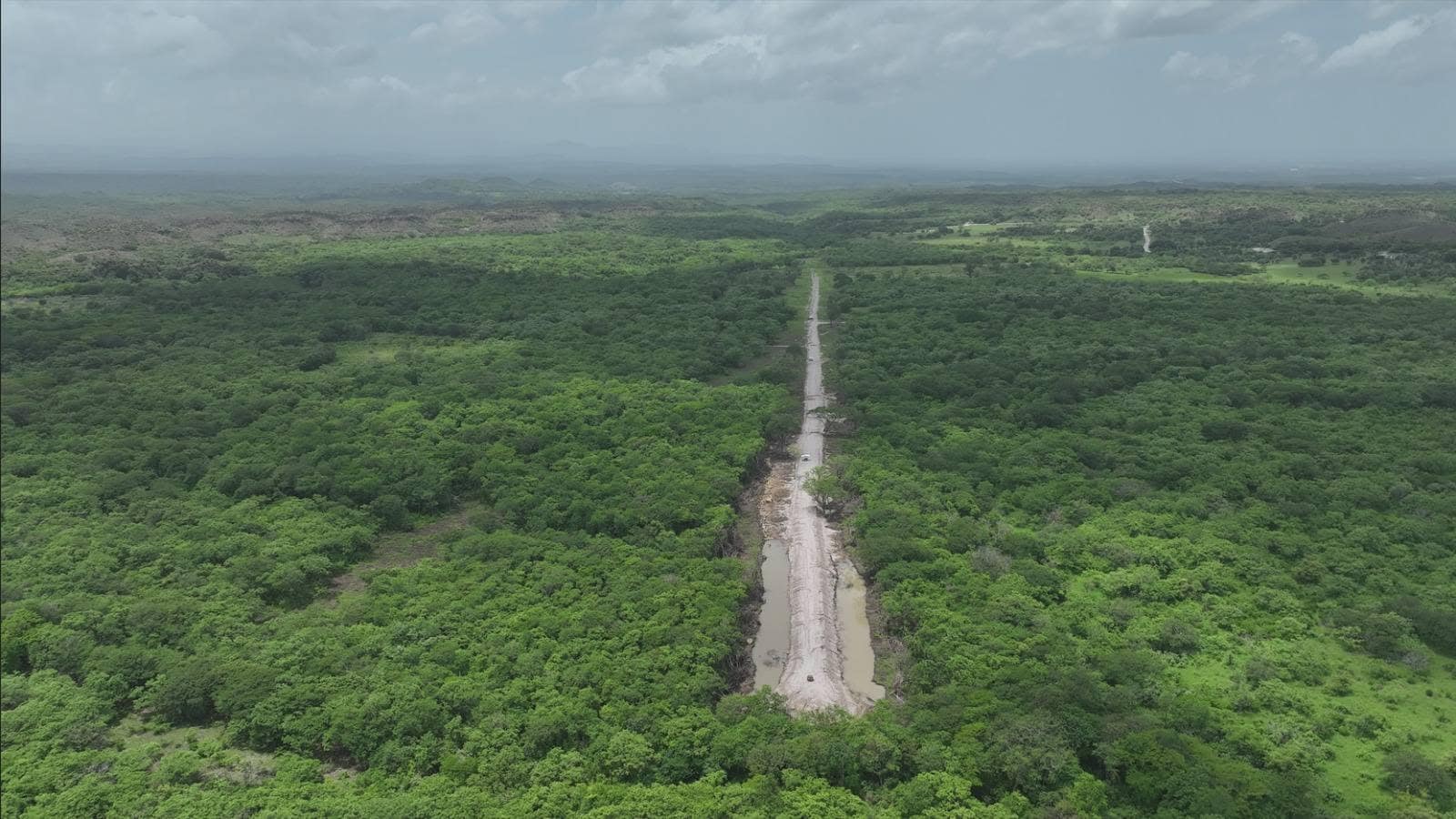
Investigators say the cocaine was being transported to a clandestine landing strip in Guanacaste, where it would be loaded onto an aircraft. There is no indication that the commercial airport or its facilities were involved in the alleged operation.
The items found in the vehicles point to a mobile ground crew prepared to receive and service aircraft away from established airports. Police seized lamps believed to have been used to mark improvised runways, communication radios, aircraft tires, fuel containers and filtering equipment. Officers also found firearms, ammunition and cash in Costa Rican colones and U.S. dollars.
The Police Drug Control Unit, known as the PCD, worked with the U.S. Drug Enforcement Administration during the investigation. Authorities allege that the group was connected to Mexico’s Sinaloa Cartel and used Costa Rica as a logistics point for aircraft carrying cocaine from Colombia and Ecuador toward Mexico and the United States.
Rather than relying on Costa Rica’s commercial aviation network, the suspected organization allegedly managed clandestine landing areas where aircraft could receive fuel, security and other assistance before continuing north.
Investigators have also examined links between the organization and two aircraft found damaged in late 2025. One was located in Bagaces, Guanacaste, with fuel containers nearby. Another aircraft crashed near Puerto Jiménez in southern Costa Rica while carrying 309 packages of cocaine.
The Liberia arrests followed other investigations into suspected Sinaloa Cartel operations in Costa Rica. In April 2025, authorities intercepted a yacht near Quepos carrying 840 kilograms (1,852 pounds) of cocaine and more than $12,000 hidden behind the vessel’s walls. Three Mexican citizens were arrested in that operation.
The latest request also adds to a growing number of Costa Rican citizens facing possible prosecution abroad. Costa Rica amended its Constitution in May 2025 to allow citizens to be extradited for international drug trafficking and terrorism, ending a long-standing prohibition against surrendering nationals to foreign courts.
By June 18, Costa Rican officials said 23 citizens by birth or naturalization had been detained following extradition requests. The three Costa Ricans in the Liberia case were already being held under the domestic investigation when the latest U.S. request arrived.
The suspects will continue facing proceedings in Costa Rica while the San José court reviews whether the U.S. request meets the requirements of the bilateral extradition treaty. The allegations have not been proven, and an extradition ruling would determine only whether the suspects can be transferred to the United States to face charges there.





