

Costa Rican authorities launched one of the largest organized-crime operations in our country’s recent history today, carrying out more than 100 raids in a case tied to an alleged drug-trafficking and money-laundering network linked to Edwin Danney Lopez-Vega, known as “Pecho de Rata.”
The operation, known as Riverside, was led by the Judicial Investigation Agency, or OIJ, and the Public Prosecutor’s Office. Authorities reported raids in Limón, Heredia, Cartago, San José and Alajuela, with the strongest focus on the southern Caribbean, where investigators say the group held territorial and logistical influence.
Authorities reported 146 raids and the participation of about 1,500 judicial agents and police support personnel. Officials described it as the largest raid deployment in OIJ history.
Investigators say the case targets a structure linked to national and international drug trafficking, money laundering and other organized-crime activity. The group is allegedly connected to Lopez-Vega, a Costa Rican suspected drug trafficker who was extradited to the United States in March to face federal drug charges.
Authorities said the organization allegedly continued operating after Lopez-Vega’s extradition, with relatives and close associates suspected of taking over parts of the structure. OIJ officials said they were linking several of his children to the investigation and were also looking into the role of his partner.
According to investigators, the group used a divided structure with specific roles for logistics, transportation, security, finances and coordination. Authorities said that model allowed the organization to keep functioning even when leading figures faced arrests, seizures or court proceedings.
The Riverside investigation reportedly began in July 2024 and includes suspected drug trafficking, money laundering and a January 2025 kidnapping case in which the victim remains missing.
Investigators say drug shipments arrived from Colombia by sea to Costa Rica’s Caribbean coast. The organization allegedly stored and moved those shipments from the southern Caribbean, with marijuana directed mainly to the local market and cocaine sent along international routes.
Authorities also linked the case to the Colombian group known as Los Costeños, which has been identified in investigations involving international drug trafficking. During the operation, officers searched homes, businesses, farms, vehicles and other properties believed to be connected to the alleged network. Investigators were looking for documents, electronic devices, financial records, weapons, vehicles and other evidence.
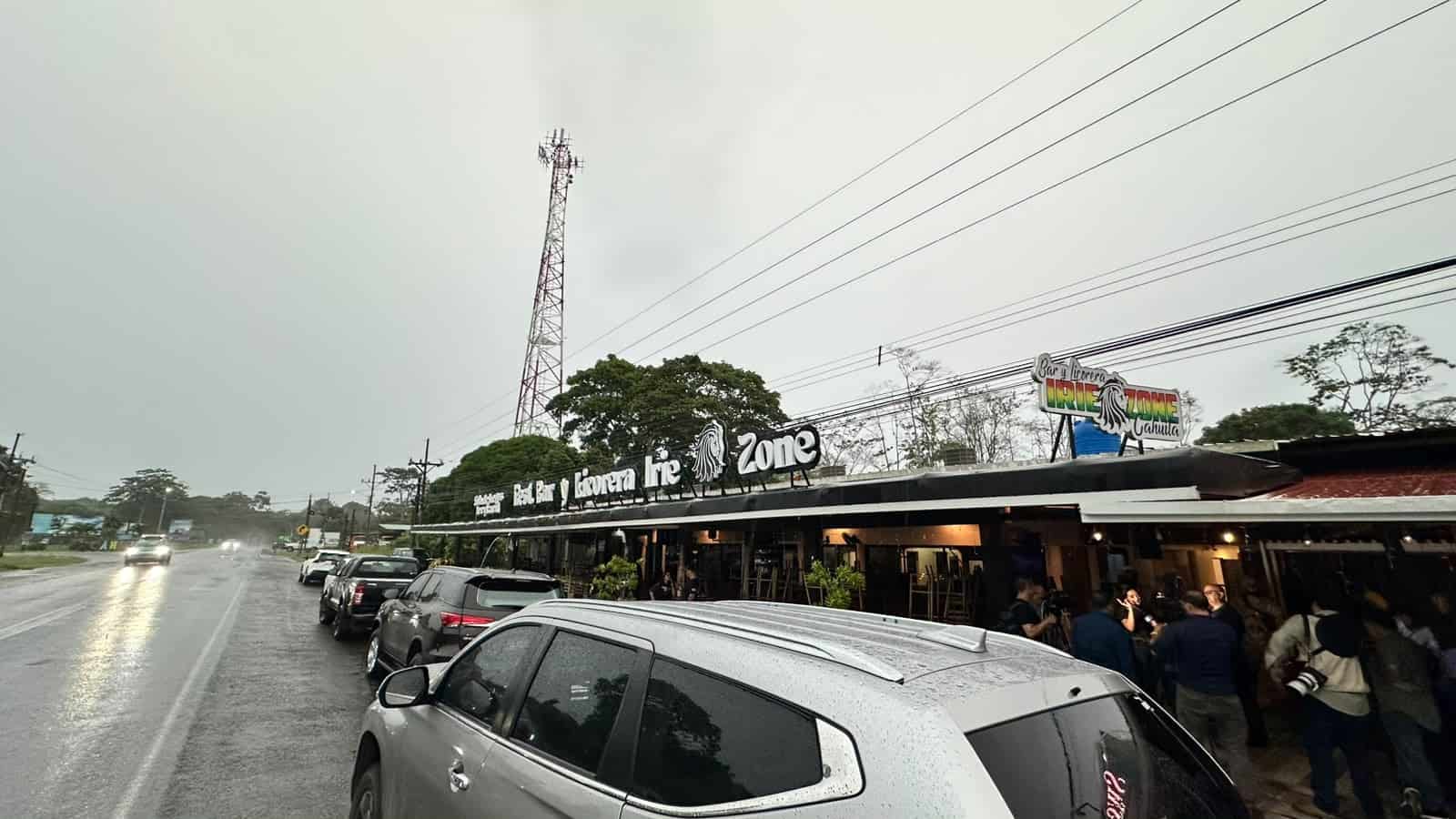
The asset side of the case is significant. Authorities said the investigation includes hotels, luxury rental homes, a restaurant, a gym, a five-a-side soccer facility, a bullring and farms with cattle. Officials believe some of those businesses may have been used to disguise or move illicit money.
As of this morning, authorities reported 40 arrests, while another 18 people tied to the case were already in custody. OIJ officials said additional suspects were still being sought. Two penitentiary police officers were also detained. Investigators suspect they may have helped Lopez-Vega communicate while he was in prison by giving him access to cellphones.
The case comes as Costa Rica faces growing pressure from more sophisticated criminal groups using the country as a route for moving drugs toward international markets. Security officials have warned that these organizations increasingly operate through family networks, front persons, businesses and logistical cells rather than relying on a single leader.
For Costa Rica, the Riverside case is another test of its ability to move beyond street-level arrests and strike at the financial and support systems behind organized crime. Authorities said the goal is not only to detain suspects, but also to weaken the structure that allowed the alleged network to survive previous law-enforcement actions.
The suspects will now face court proceedings as prosecutors present evidence and defense attorneys challenge the allegations. No conviction has been reported in the Riverside case, and those accused are presumed innocent unless proven guilty in court.





