

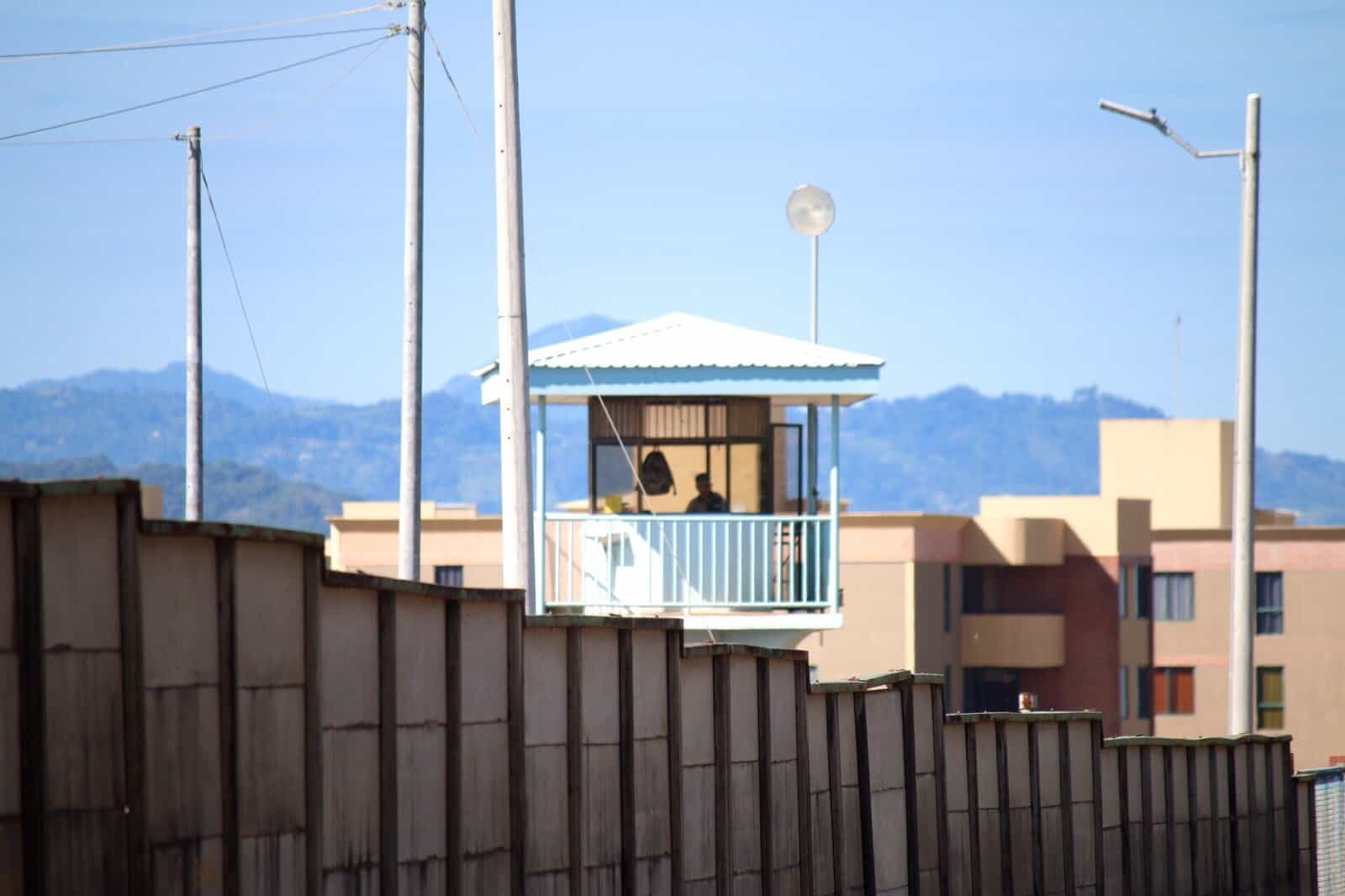
Costa Rica has introduced new prison security rules for inmates facing extradition, cutting off physical contact during visits and requiring prison officers to use body cameras during interactions with this group of detainees. The measure was ordered by Justice and Peace Minister Gabriel Aguilar Vargas and took effect immediately. It applies to people held in Costa Rican prisons who have active extradition proceedings or extradition orders.
Under the new protocol, these inmates may only receive visits in secure prison visiting rooms, known in Spanish as locutorios, where the inmate and visitor are separated by glass or another physical barrier and communicate by phone or audio system. The setup allows conversation but eliminates direct physical contact with family members, lawyers or other authorized visitors.
The Ministry of Justice said the move is part of a broader effort to tighten discipline, improve control inside prisons and protect extradition cases being handled in coordination with foreign governments.
The directive also requires officers of the Penitentiary Police to wear and activate body cameras whenever they respond to a request, carry out a transfer or have any direct intervention involving an inmate facing extradition. The goal is to create a recorded account of police actions in cases considered especially sensitive by prison authorities.
The change marks a sharp break from the previous system. Before the new rules, inmates facing extradition could receive visits that allowed direct physical contact. That access is now eliminated for this population.
The measure comes as Costa Rica continues to confront pressure from international drug trafficking cases and a growing number of extradition requests, many of them linked to investigations in the United States. In recent years, Costa Rican authorities have arrested multiple suspects wanted abroad on drug trafficking charges, including Costa Rican nationals after constitutional and legal changes opened the door to their extradition in certain cases.
For the Justice Ministry, the issue is not only prison order. Extradition inmates can represent a higher security risk because their cases often involve foreign courts, international agencies and organized crime investigations. Officials say tighter controls are intended to reduce the chance of contraband, unauthorized messages, pressure on witnesses or other incidents that could affect pending judicial processes.
The new restrictions are also part of a wider security shift inside Costa Rica’s prison system. In recent weeks, the Ministry of Justice has moved to limit the entry of food, clothing and other packages into prisons, and authorities also removed hundreds of microwave ovens from correctional facilities as part of the same control campaign.
Those measures have been promoted under a message of order and discipline inside the penitentiary system. The government argues that years of permissive practices allowed inmates to accumulate privileges and objects that complicated prison management and created security gaps.
The new rules for extradition inmates are narrower but more severe. They do not apply to the entire prison population, but they place one of our country’s most sensitive inmate groups under stricter surveillance and physical separation. For visitors, the immediate effect is clear: no embraces, no handshakes and no direct contact. All communication must now take place through secured visiting areas.
For prison officers, the body-camera requirement adds another layer of oversight. Each intervention involving an extradition inmate will now be recorded, creating evidence of what happened during transfers, requests or confrontations.
The Ministry of Justice has framed the policy as necessary for institutional security and international cooperation. The move also sends a message to foreign governments that Costa Rica is tightening its handling of detainees wanted abroad at a time when extradition has become a larger part of the country’s security debate.
The directive is now in force across the penitentiary system.





