

Oceanographers in Costa Rica are warning that unusually warm Pacific waters could add pressure to already fragile coastal areas, increasing the risk of erosion, flooding and damage during the second half of the year. Measurements reviewed by specialists from the University of Costa Rica’s Center for Research in Marine Sciences and Limnology, known as Cimar, show that sea surface temperatures along part of the Central Pacific have been running well above normal in recent months.
At Playa Herradura, in Garabito, ocean temperatures have remained above 30°C since March. In April, temperatures reached nearly 4°C above the climatological average. In May, they were close to 3°C above average. The data comes from Cimar’s Oceanographic Information Module, which has been tracking sea surface temperature and sea-level changes from a tide-gauge station in Herradura since 2023.
For scientists, the concern is not only the heat itself. Warmer water expands, which can push sea levels higher. When that combines with high tides and strong swell, coastal communities can face a greater risk of flooding and erosion. Rodney Mora and Omar Lizano, oceanographers at Cimar, said the situation requires close monitoring as Costa Rica moves toward the months when Pacific swells from the Southern Hemisphere often arrive with greater force.
The warning comes as Costa Rica prepares for the expected effects of El Niño, a climate pattern tied to warmer-than-normal waters in the Pacific. National weather authorities have warned that El Niño could bring hotter and drier conditions to much of the country, especially along the Pacific slope. Cimar specialists said the Pacific Ocean is already warm, even before the strongest expected effects of El Niño fully develop.
Costa Rica has seen this combination before. During the strong El Niño event of 1997 and 1998, sea levels in Quepos rose between 30 and 60 centimeters. That kind of increase can make high tides and incoming waves far more damaging, especially in areas already exposed to erosion.
The risk is not theoretical. Cimar studies have documented erosion along much of Costa Rica’s Pacific coastline, from La Cruz in the north to Punta Burica near the border with Panama. Mora said those conditions mean warmer ocean temperatures could worsen problems that are already visible.
Some of the most vulnerable points include Puntarenas, Caldera and La Angostura, where high tides and strong waves have previously caused flooding and damage. Puntarenas city has already shown signs of flooding when elevated tides arrive at the same time as heavy swell.
The months from July through September will be watched closely. During that period, waves generated in the Southern Hemisphere often reach Costa Rica’s Pacific coast. If those swells line up with extraordinary tides and warmer ocean conditions, coastal impacts could increase.
The 2015 El Niño event also left a warning sign. Several Pacific beaches lost large amounts of sand, and the sea reached areas where it had not normally entered. Scientists say similar conditions could become more damaging if sea levels rise during the coming months.
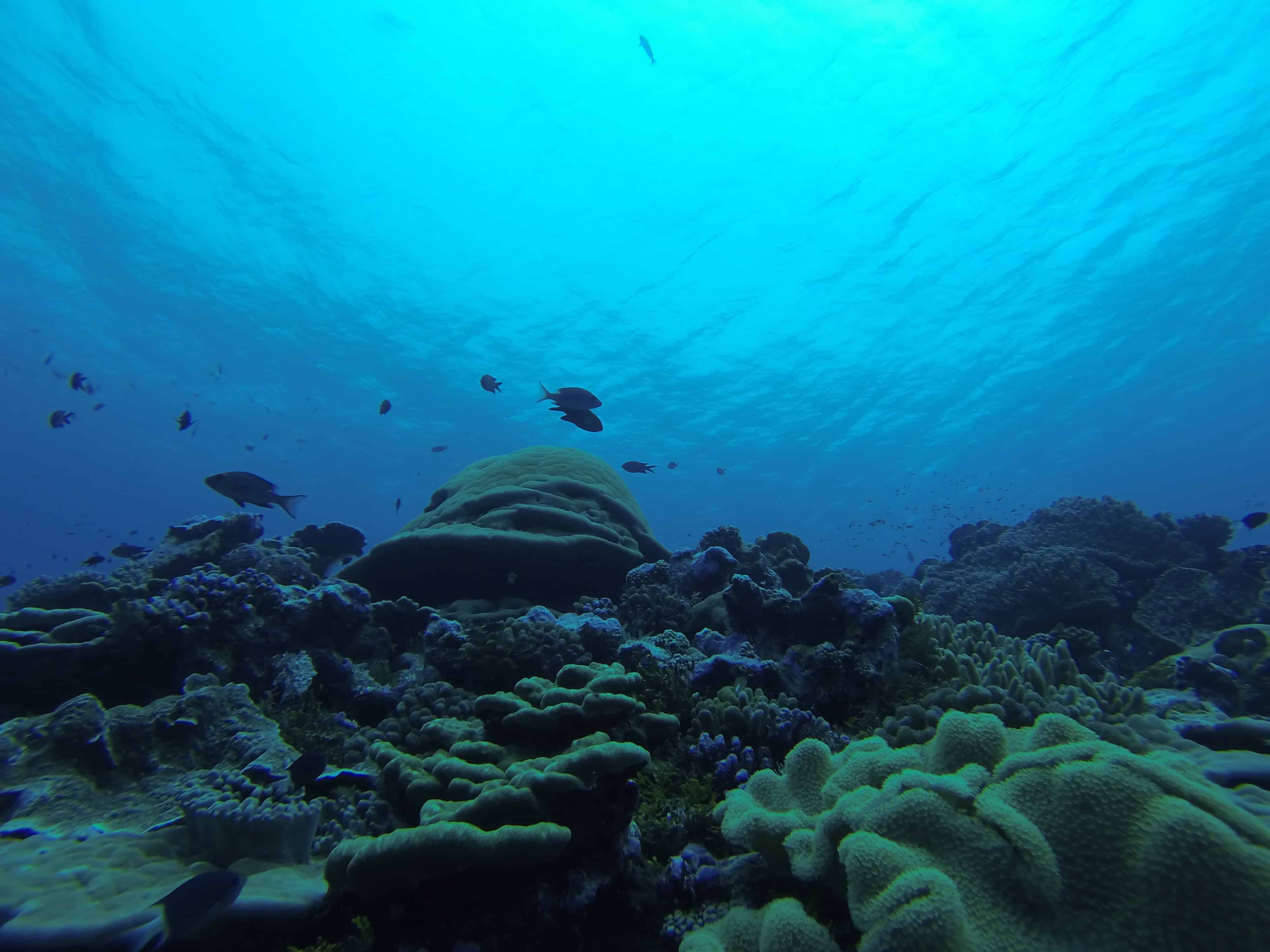
The concern extends beyond beaches and coastal infrastructure. Warmer ocean temperatures can also affect marine ecosystems. Coral reefs are sensitive to temperature changes, and past warming events have caused coral stress and mortality in different parts of the world.
Marine species may also shift their behavior when water temperatures rise. Around Cocos Island, some species, including sharks, may move toward cooler waters when ocean temperatures increase. Research in the Gulf of Nicoya has also pointed to biodiversity loss linked to warming waters.
Although the Pacific coast faces the clearest risk, experts say the Caribbean should not be ignored. Cold fronts earlier this year have contributed to erosion in some areas. El Niño can also strengthen trade winds, producing above-average waves along parts of the Caribbean coast.
For residents, businesses and local governments in coastal communities, the message is straightforward: the ocean is already running hotter than normal, and the next few months could bring a difficult mix of warm water, high tides and strong waves.
Scientists are not calling for alarm, but they are urging attention. Beachfront areas, ports, low-lying neighborhoods and erosion-prone communities should follow official ocean and weather updates closely, especially during periods of high tide and heavy swell.
Costa Rica’s coastlines are used to seasonal changes. This year, the difference is that warmer ocean temperatures may raise the baseline risk. If El Niño strengthens as expected, the country’s Pacific coast could face a more dangerous shoreline season than usual.





