

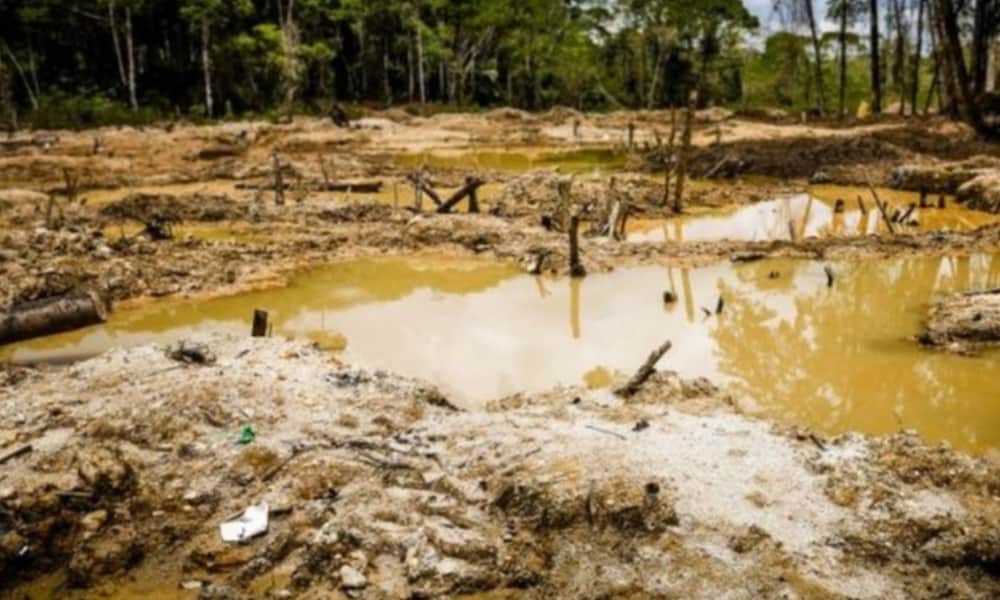
Crucitas ranks among Costa Rica’s most severe environmental setbacks. Illegal gold mining has ravaged the area for years, bringing crime, community unrest, water pollution, and deaths among those risking their lives in unauthorized operations. The once-rich natural zone now shows clear signs of decline, with forests cleared and rivers tainted by chemicals.
Recent events highlight the ongoing trouble. Just this month, authorities detained five Nicaraguans for illegal mining, and earlier, two young brothers from Nicaragua died when a tunnel collapsed on them. Rescue teams recovered their bodies after hours of work, a grim reminder of the dangers. These incidents add to a long list of fatalities, as people cross borders chasing gold amid poverty.
Lawmakers in the Legislative Assembly are pushing several bills to tackle this mess. The government’s plan stands out—it would permit gold exploration and extraction in Crucitas to curb the chaos from illegal activities.
The Alajuela Commission gave it a green light on September 11 with an 8-1 vote, sending it to the full assembly for debate. It awaits scheduling, and motions could still alter it. Supporters argue that regulated mining would bring order, generate jobs, and fund cleanup, but critics question the fit with Costa Rica’s eco-friendly reputation.
Open-pit methods, which the bill would allow under strict rules, carry heavy costs. They strip away land, wipe out habitats, and reduce plant and animal diversity. Air gets dusty, water sources shift or get contaminated, and noise drives away wildlife.
Communities nearby face health risks from pollutants, as seen already in Crucitas where mercury and cyanide have seeped into streams. Despite bans since 2010, illegal digs persist, often tied to organized groups, making the site a hotspot for violence and smuggling.
Another bill, backed by the Frente Amplio party and the Civic Environmental Parliament, takes a different path. It proposes a Sustainable Development Hub for the Huetar Norte region, focusing on recovery without mining. At its core is the Crucitas International Environmental Geopark, covering wooded hills between Fortuna and Botija. A natural and historical museum would join it, highlighting the area’s past and ecology.
This approach draws from UNESCO geoparks, with 13 already in Latin America, including one in Nicaragua. Costa Rica’s planning ministry has approved a similar site in Rio Cuarto. The idea is to protect resources while allowing research and low-key recreation. No gold digging permitted—that aligns with the country’s green identity.
The hub would put the National System of Conservation Areas in charge of oversight. Locals could run small-scale businesses with support from the Development Bank and rural agencies. Educational programs through the National Learning Institute and universities would train people, creating opportunities on the ground. Tax breaks aim to attract private projects that fit the goals, like eco-tourism or studies.
A key part involves cleaning up the damage. Remediation targets the toxins left behind, aiming to restore soil and water. Some still push for mining as the fix, claiming it would stop illegals and boost the economy, but that ignores the added harm to an already battered spot.
The debate boils down to priorities: quick cash from gold versus long-term protection. Costa Rica has built its image on sustainability, drawing tourists to parks and beaches. Reopening to mining could shift that, while the hub option builds on strengths in conservation. As bills move forward, locals watch closely, hoping for a solution that heals rather than harms.





