

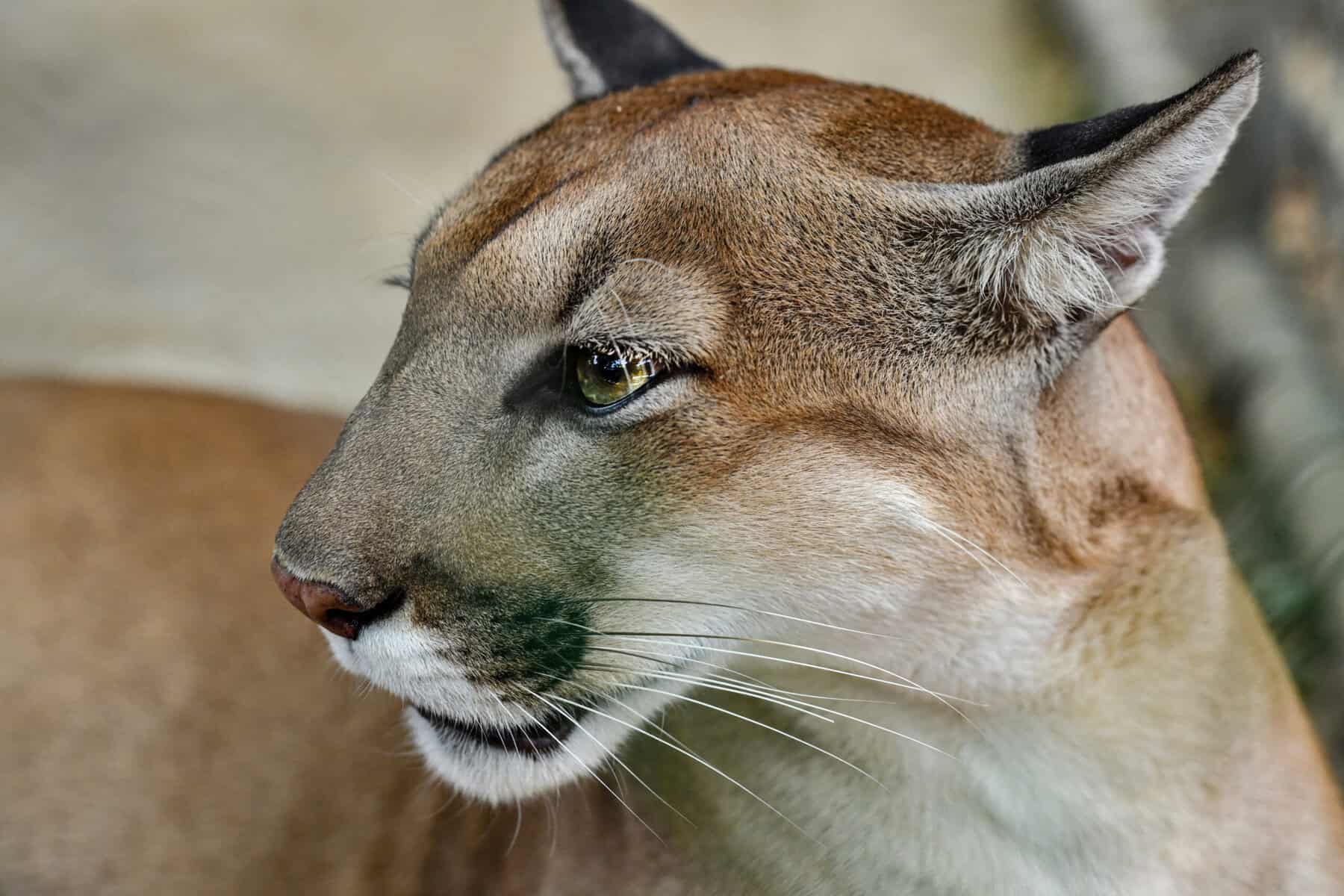
A puma survived a vehicle collision in La Fortuna de San Carlos and returned to the wild after officials provided veterinary care. The incident took place on March 9 in the Las Perlas de Los Ángeles sector. The Arenal Huetar Norte Conservation Area received the report of the collision between a vehicle and a large feline.
Officials went to the scene with a veterinarian. They gave the animal an initial assessment and then transported it to a clinic. Staff there ran X-rays and an ultrasound to check for fractures or other injuries. Veterinarians monitored the puma and delivered care to address any trauma from the impact. Examinations the next day confirmed the animal showed no serious health problems.
Authorities released the puma in a mountainous area that matches its natural habitat. The rescue involved coordinated work from the Public Security Forces, SINAC-MINAE, private veterinarians and environmental organizations. The Ministry of Environment and Energy urges drivers to slow down on routes near national parks and protected wildlife areas. Wildlife-vehicle collisions occur often across the country.
Minister of Environment and Energy Franz Tattenbach highlighted the ongoing risks. He said that when a forest or shrubland area is bisected by a highway, habitats fragment and high-risk situations arise that abruptly end the lives of wild animals moving to feed, migrate, seek shelter or reproduce. This occurs with vehicle traffic near protected wildlife areas and leads to roadkill of numerous species, including those facing conservation challenges.
He added that transportation routes affect natural systems and road safety due to accidents involving large mammals. Road networks intersect with ecological corridors and concentrate both vehicle traffic and wildlife movement. In this case the puma survived thanks to the efforts of SINAC with inter-agency assistance and returned to its natural habitat. Other species do not get a second chance.
Officials remind people to report wildlife incidents to 1192 or regional offices and to avoid handling animals so trained personnel can manage them.





