

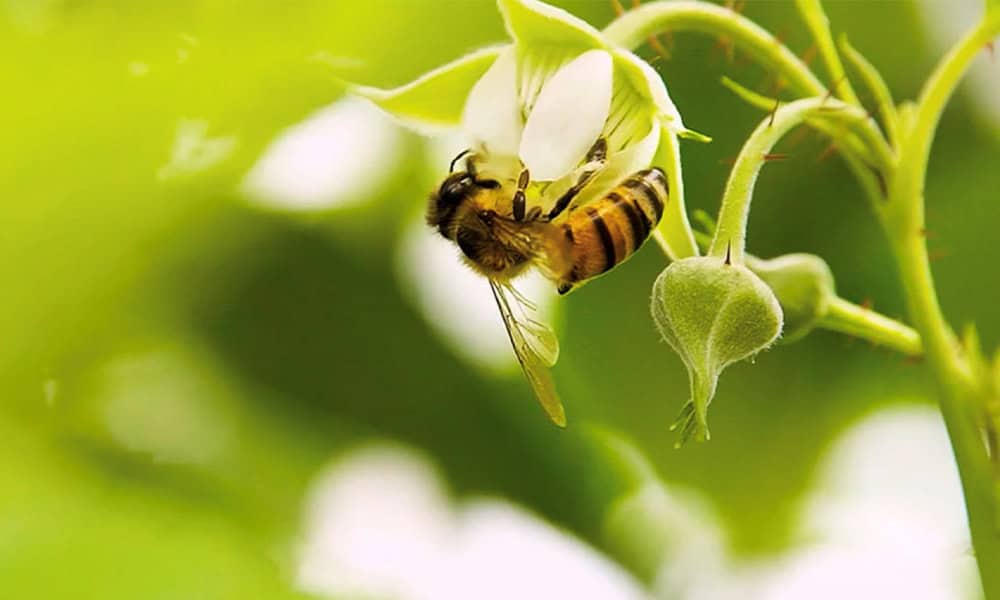
Costa Rica will phase out the insecticide fipronil over two years to cut risks to bees and the environment while limiting disruption to farmers. Government officials announced the decision Friday. The move targets fipronil, a chemical widely used in agriculture and household products that has been linked to bee deaths.
“This is an important step we are taking as a country,” said Minister of Agriculture and Livestock Víctor Carvajal. Fipronil kills pests effectively but also harms beneficial insects such as bees, which play a key role in pollination and food production. “It’s such a powerful insecticide that it kills everything,” Carvajal said. “That means it not only eliminates pests, but also affects beneficial insects like bees, which are essential for pollination and food production.”
He noted that older agrochemicals often carry higher risks for consumers. The phase-out forms part of a larger effort to remove certain chemicals from use. Six have already been taken off the market, and six more are in the process of being phased out. “More modern agrochemicals allow for lower doses, reduced production costs, and safer products reaching the tables of Costa Ricans,” he added. Health Minister and Vice President Mary Munive and Environment Minister Franz Tattenbach joined Carvajal for the announcement.
The phase-out will unfold gradually across 24 months. During the first year, importation, manufacture, sale and use of fipronil will continue under regulated conditions. After that, authorities will ban its import, export and production, although existing stock may still be used. Once the full transition ends, use will stop completely.
Regulations allow limited exceptions for phytosanitary emergencies, subject to direct government approval. Beekeepers have reported heavy losses from the chemical. Carlos Charpentier, who keeps bees in Puriscal, said it destroyed between 40 and 45 of his hives.
“We’re talking about millions of bees,” he said. Each hive holds between 40,000 and 50,000 bees. Laboratory tests confirmed fipronil caused the deaths. “It’s a total loss. Neither the hive nor production in the coming years will recover,” Charpentier said. “It’s very important that this product be removed from the country because it will continue to poison bees.”
Carvajal pointed out that Costa Rica’s climate favors the spread of pests and diseases. He said the agricultural sector will need to shift to new tools and methods to keep output steady without raising environmental harm. He also noted that climate change could bring back pests that farmers had controlled in the past.
Officials plan to tighten oversight of agrochemical use. A digital prescription system will track applications and flag any irregularities. Producers who apply unregistered products will face penalties. The government framed the decision as a balance between protecting pollinators and supporting food production. Bees and other pollinators drive crop yields and overall agricultural stability, officials said.





