

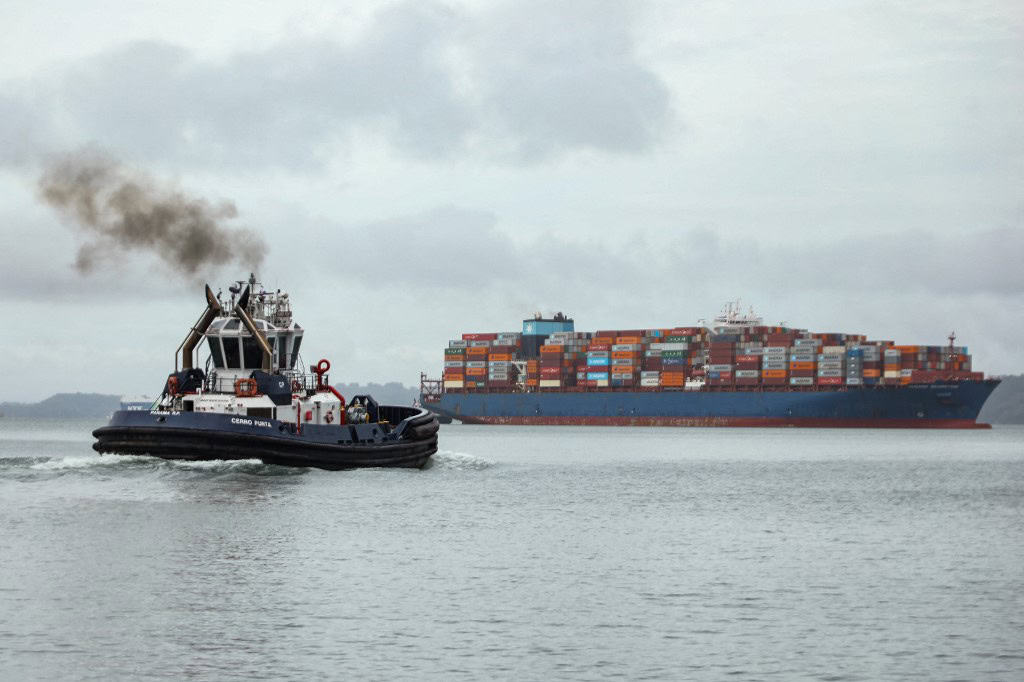
Panama’s President José Raúl Mulino on Tuesday criticized port concession companies in the Caribbean region of the country for the surge in drug trafficking, mainly cocaine, bound for Europe. According to official data, of the 68 tons of drugs seized by Panamanian authorities in the first half of the year, 25 were confiscated in the Caribbean province of Colón—double the amount in the same period of 2024.
“That is unsustainable and does not reflect well on port security,” Mulino said, visibly upset during a public event. “We must work with the port operators so they cooperate with customs, immigration, and the National Police to stop the large flow of drugs leaving Panamanian ports for Europe,” he added.
Several ports in the Panamanian Caribbean are operated under concession by companies from the United States, Taiwan, and Hong Kong. At some of these terminals, all located near the Panama Canal, large cocaine seizures have already been made in 2025.
According to the Ministry of Security, Colón has overtaken the Pacific capital as the area with the highest number of tons seized. Panama serves as a transit point for cocaine coming from South America—mainly Colombia—destined for the United States, the world’s largest consumer of the drug.
However, in the last two years seizures have increased in Caribbean ports with shipments bound for Belgium, France, Spain, and the United Kingdom. The drugs are usually hidden in containers with legal goods such as fruit, furniture, food, or electronics. The Panama Maritime Authority reported that 5.3 million containers passed through the country’s ports in 2024.
Mulino noted that he had previously discussed the drug trafficking problem with port managers, but “it seems the first meeting fell on deaf ears.” He even suggested that at night container security checks are relaxed.
“It has to be done (taking stronger measures) or other decisions will be made (…). They are concessionaires, but Panama owns those ports, don’t forget it,” Mulino warned.
In 2024, Panama seized 124 tons of drugs.





