
The Costa Rican Tourism Institute (ICT) reported a 14.5% increase in visitation from January to June of this year compared to last year’s numbers, with the country receiving more than 1.5 million tourists during the first half of 2024.
Undoubtedly, these figures translate into more jobs for the tourism sector, which is one of the most important economic forces driving the country. Thousands of families in the seven provinces depend on this activity for their livelihoods; in many cases, especially in rural areas, it is often the only source of employment.
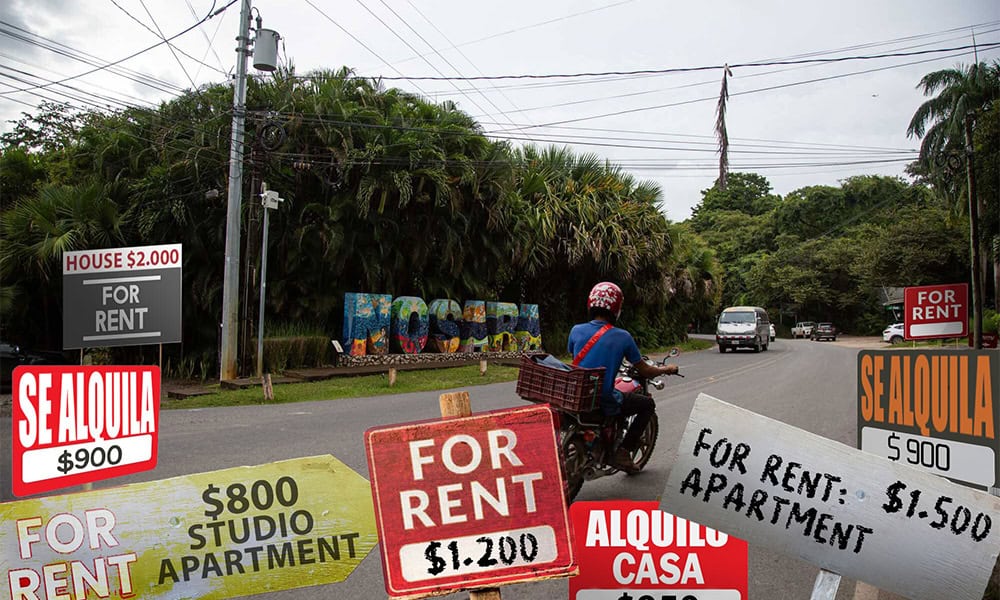
While it is important to maintain tourism activity, the country also faces major challenges in this area. In several regions, mainly Guanacaste, the massive arrival of tourists and foreigners has caused rent and land prices to rise significantly, preventing locals from accessing them and forcing them to move.
For example, Nosara concentrates 70% of the construction in the canton of Nicoya. The average cost of each square meter is $3,495, and it is estimated that rentals on platforms such as Airbnb generate around $45,000,000 per year. This data comes from the Observatory of Tourism, Migration, and Sustainable Development (OBTUR).
“Nosara exemplifies this dynamic best. Relatively small houses (two bedrooms, two floors, and essential spaces) start at $750,000 upwards. There are even lots without houses that go for around $15 million; it is a real estate market that operates practically without regulation,” explained Arturo Barboza from OBTUR.
Although this is mostly seen in Guanacaste, other small towns such as Monteverde do not escape the problem. Locals indicate that they must spend almost half of their salary on rent if they wish to stay in thei hometown, Monteverde. Most have been forced to move to other towns as prices have risen beyond their economic capabilities.
Additionally, there is little construction for housing because it is more profitable to build tourist apartments, cabins, or hotels for tourists or digital nomads.
The government faces a major challenge in finding a balance so that the tourism sector can continue to strengthen without undermining the welfare of Costa Ricans. The municipalities and central government must design policies to address this complex scenario. However, this isn’t something that has been a priority for neither.