

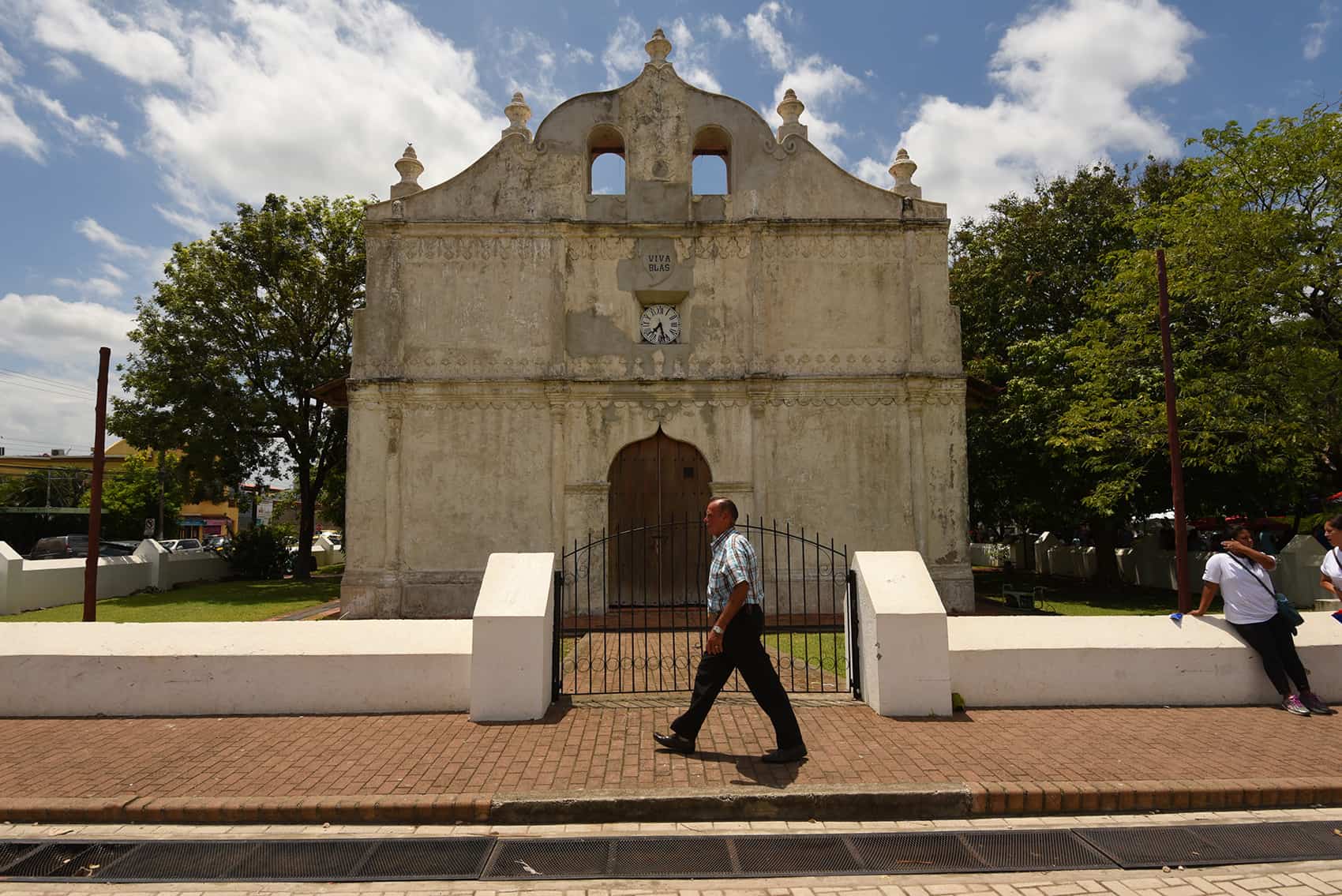
Because some of the reasons may be lost in the celebration, we’d like to remind you of some facts surrounding this important Costa Rica holiday.
Origin of Nicoya
Guanacaste Day is celebrated annually in Costa Rica on July 25. The holiday commemorates Costa Rica’s annexation of Nicoya from Nicaragua in 1824.
The word “Nicoya” seems to have originated from the cacique Nicoa, in the Nahuatl language of the Aztec Nahua peoples, who came from the area of today’s Mexico, and traveled south to Guanacaste.
History of the Nicoya Territory
The original territory of Nicoya referred to land between La Flor River and Lake Nicaragua to the northeast, and to the south, the Gulf of Nicoya, Tempisque River, Salto River and a part of the source of the Desaguadero River.
In 1820, the independent Nicoya Territory joined with Costa Rica to have a large enough population to send a representative to the Cádiz Cortes in Spain. They chose Costa Rican politician and Presbyterian Florencio del Castillo.
In 1812, the Spanish Constitution divided the Kingdom of Guatemala into separate territories. One of those territories was Nicoya, which today forms part of Guanacaste. When Central America declared its independence from Spain in 1821, political problems began dividing the separate provinces, or territories.
In Nicaragua’s case, the state was marked by internal problems, and a degree of hostility existed toward the Nicoyans. Because of those relations, residents of Nicoya more closely identified with Costa Rica, particularly because of Nicoya’s proximity to the Costa Rican villages of Puntarenas, Esparza, Bagaces and Cañas.
One month after Costa Rica obtained its independence, the country established its legal framework through the Concordia Pact, a provisional constitution. Later, the country’s first constitution was adopted, and Juan Mora Fernández became Costa Rica’s first head of state.
At the time, Costa Rica benefitted from a climate of stability and political security, efficient administration of justice, trade relations already established with Nicoya and rich and fertile land and climate.
The Annexation
Because of this cordial relationship, the Costa Rican government formally invited Nicoya residents to join this country via the first Nicoya mayor, Cupertino Briceño. At the time, Costa Rica was not yet a republic, so legislators presented a formal petition to the General Congress of Guatemala, with all the necessary documents and signatures.
Because of Nicoya’s location, argued area residents, it would be easier to join with Costa Rica than continue under the relationship with Guatemala, which was much further to the north.
On July 25, 1824, Costa Rica’s annexation of Nicoya became official. In 1848, the territory officially became a Costa Rican province with four cantons: Nicoya, Santa Cruz, Bagaces and Cañas. Today, Guanacaste has 11 cantons.
Origin of the Name Guanacaste
The province of Guanacaste takes its name from a large tree that was located in the area of today’s central park in Liberia, the capital of Guanacaste province. The word Guanacaste comes from the Nahuatl language, Quaiti (tree) and Nacaztli (ear).
Benefits of the Annexation
Today, Guanacaste is an important producer of rice, sugar cane, sorghum and other crops. Livestock is also raised on many area farms. It is one of Costa Rica’s most important tourism destinations, earning the nickname the “Gold Coast of Central America.”
Since the annexation, Guanacaste’s population has continued growing, and it has become an important economic pillar in the country. Costa Rican culture is enriched by the cultural contributions of Guanacaste, including Tico snacks like tortillas and bizcochos, small, crispy, donut-like treats.
Costa Rican music has been heavily influenced by Guanacaste folkloric music, including songs like “El Torito,” “Pasión,” “Amor de Temporada,” “Luna Liberiana” and “Pampa.”
Instruments from the province include quijongs (a stringed bow and gourd), tambores (drums), ocarinas (small ceramic flute), marimbas and other popular instruments. Guanacaste also produced many fascinating stories and legends. Without a doubt, as the popular phrase notes, Guanacaste is “part of the homeland by choice.”
This story was first published in 2013.





