

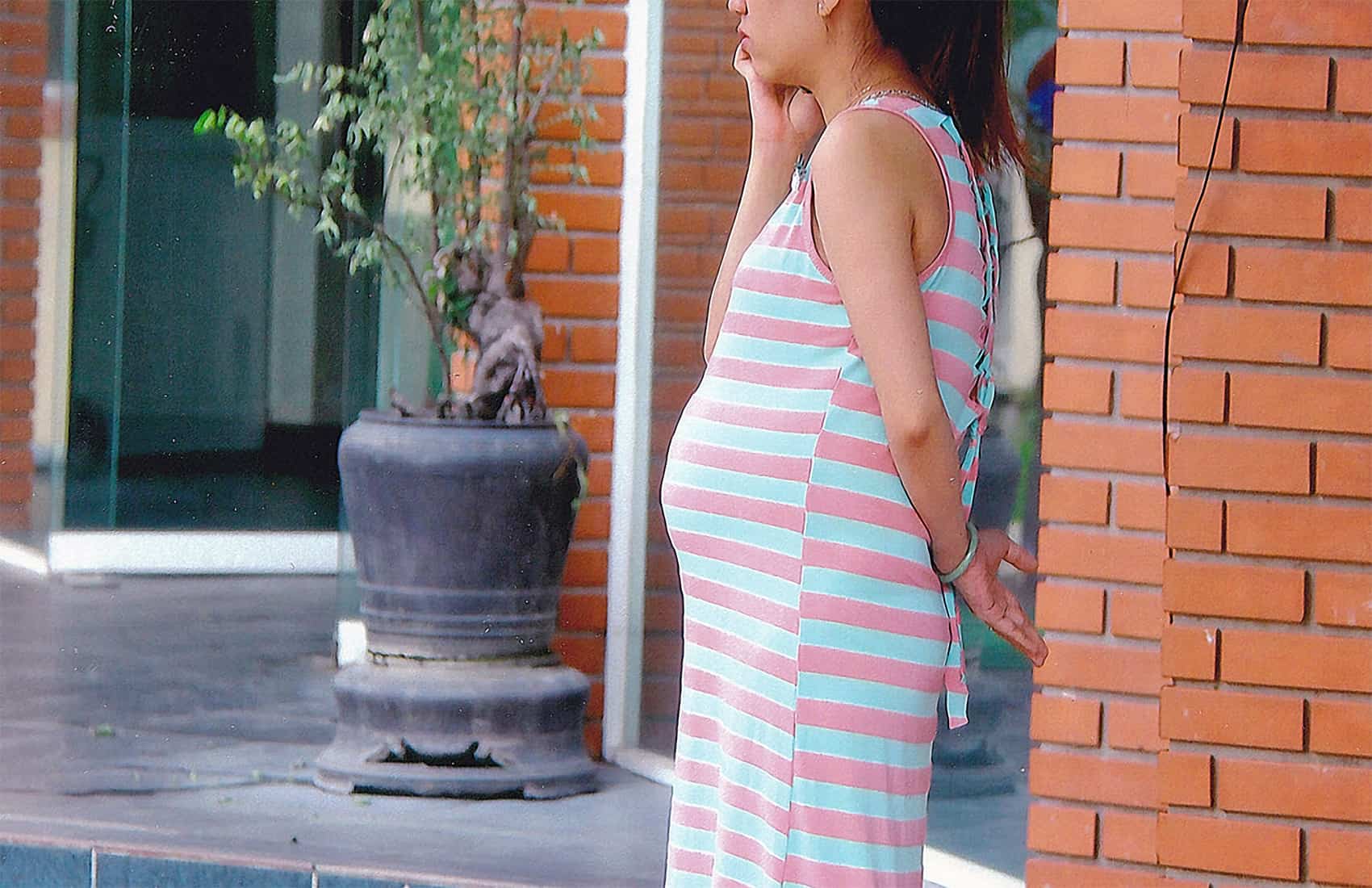
The President of Costa Rica, Carlos Alvarado pledged to approve in the coming weeks a rule that guarantees access to therapeutic abortions in the case of risk to the health or life of women, but his intention has unleashed a political storm
An alliance of evangelical lawmakers and the Catholic Church have mobilized to pressure the president not to sign the measure, arguing that it would open the door to “free abortion.”
Meanwhile, feminists and human rights defenders are pressing for the provision to come into force. They say it is critical for doctors to be able to interrupt a pregnancy when it poses a danger to the pregnant woman.
Since 1971, Costa Rica’s Criminal Code has recognized the right to an abortion only in these cases. It requires that the woman give consent and that the procedure be carried out by a health professional.
Despite what the law stipulates, though, many doctors fear performing a therapeutic abortion because of the lack of a protocol that establishes the procedures to follow and the precise conditions in which the law is applied.
“We cannot continue to focus on opinions; we have to stick to what the law says, and the technical standard comes to implement the law,” lawyer Larissa Arroyo, a reproductive rights specialist, told AFP.
She insisted that the law has not been complied with due to ignorance or doctors’ fear of being punished for breaching abortion restrictions.
Religious pressure against abortion
The archbishop of San José, José Rafael Quirós, addressed a letter to President Alvarado on Oct. 11 to urge him not to approve the technical standard.
“We express our rejection of the claim to promulgate that decree … which, far from making our country progress in true respect for human rights, would make it disrespect the most absolute of those rights in the unborn person,” Quiros says in the letter.
Alvarado replied: “I will proceed to fill that void as appropriate by law.”
Costa Rica is a conservative and religious country where the Constitution consecrates Catholicism as the official state religion.
The position of the Church found support in the Legislative Assembly, where on Tuesday a group of 24 legislators (of the 57 that make it up) introduced a project to further restrict the practice of the law, potentially limiting abortions to only instances of life-threatening danger.
The deputy Nidia Céspedes, of the evangelical National Restoration Party (PRN), began this month to go barefoot to the plenary and remain standing during the sessions in a protest against the technical norm of abortion.
Her evangelical colleague Jonathan Prendas said that “life is inviolable” and that “the position of President Alvarado is illegal and unconstitutional.”
Evangelicals and Catholics have warned that the measure can “open a gate” for other forms of abortion.
Regulations not complying with abortion law
Arroyo, the reproductive rights specialist, explained that “the technical norm cannot go beyond the law,” and that there are established protocols for all other health procedures.
“We have a 50-year-old law that has not been complied with by prejudice, so we need a rule that gives legal and technical security to health personnel” in cases of pregnancies that involve risks to women, Arroyo said.
She also noted that there is no project in Costa Rica to extend the right to voluntary termination of pregnancy, even for rape victims or minors.
On the other hand, she said, there are three bills that push to restrict existing law, which, in the lawyer’s opinion, points to a danger of a setback of rights — as happened in El Salvador, Nicaragua and Honduras.
In those three countries there was a legal possibility of terminating pregnancy in the event of a risk to the mother, but total restrictions were adopted, promoted by conservative governments or by concessions to religious groups.
“It seems that there is a very direct relationship between democracy, rule of law and access to human rights in general, particularly sexual and reproductive rights,” Arroyo said.





