

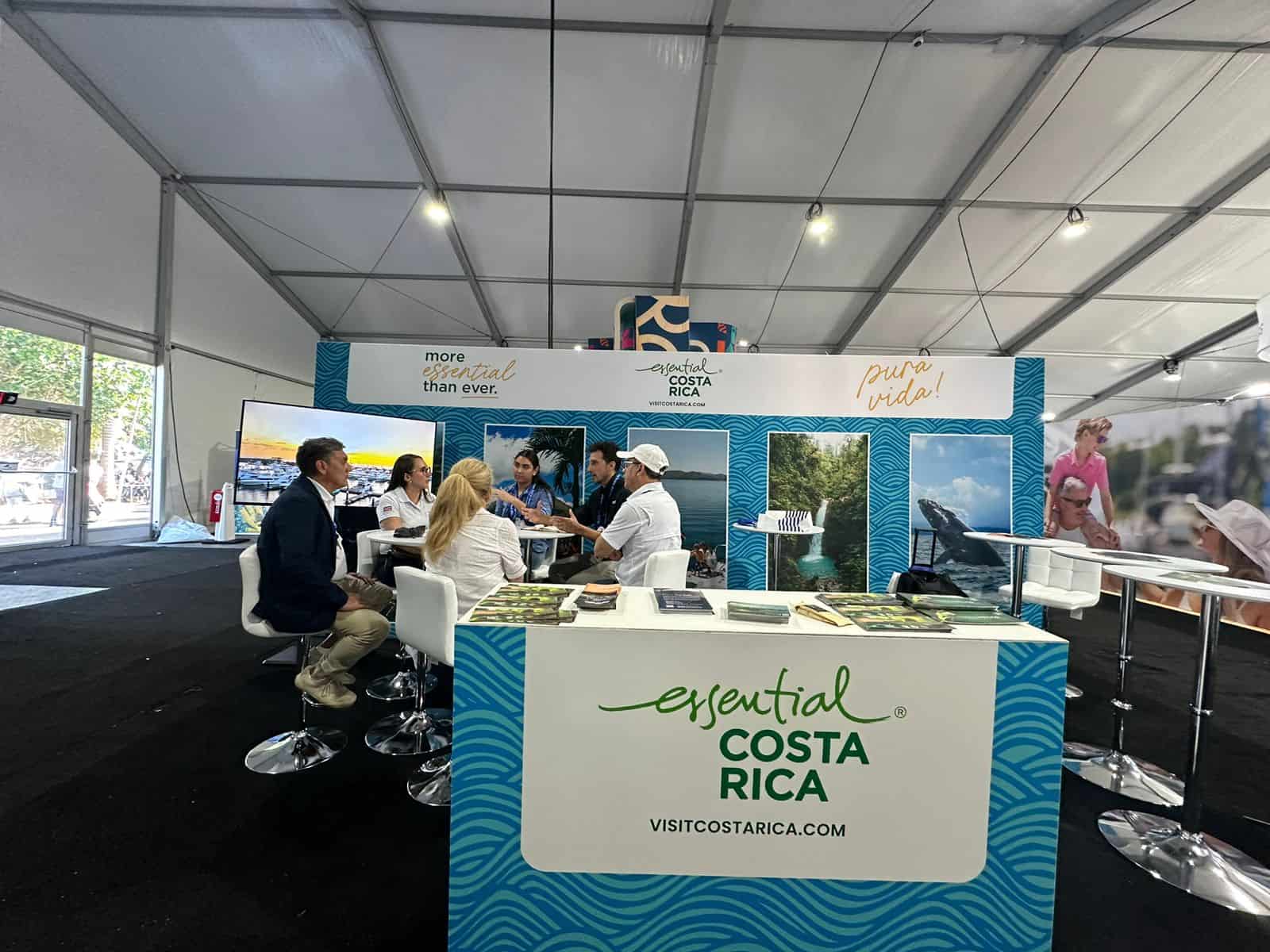
Costa Rica more than tripled the amount of money it spent promoting itself to international tourists between 2022 and 2025, but government auditors say there is not enough evidence to show the additional spending produced a significant increase in visitors. The Costa Rican Tourism Institute (ICT), spent $8.59 million on international advertising and marketing in 2022. By 2025, that figure had climbed to $27.75 million, an increase of 223%.
During the same period, the number of international tourists arriving in Costa Rica by air increased by 27%, from approximately 2.12 million in 2022 to 2.69 million in 2025. The figures come from a new audit by Costa Rica’s Comptroller General examining how effectively the ICT used its resources to attract international visitors between January 2022 and December 2025.
As advertising spending increased, the estimated amount spent to attract each tourist also climbed. In 2022, the figure was approximately $4 per visitor. By 2025, it had reached about $10. The Comptroller analyzed whether countries targeted by Costa Rica’s international advertising campaigns produced stronger growth in tourist arrivals than markets where the ICT did not spend money on campaigns.
The audit found differences between the two groups, but after conducting statistical tests, auditors said there was not enough evidence to conclude that the countries receiving advertising experienced significantly stronger growth because of those campaigns. That does not mean Costa Rica’s tourism advertising failed or that advertising didn’t bring any visitors here.
Instead, the audit found that the ICT has not been able to clearly demonstrate that the large increase in spending produced a corresponding increase in international arrivals. The issue is important because Costa Rica spent nearly $67 million on international tourism marketing during the four years examined by auditors.
The audit also found changes in how long tourists stay here. Visitors spent an average of 12.23 nights in Costa Rica between 2022 and 2025, but the annual average declined during that period. By 2025, the average stay had fallen to 10.3 nights, about 3.2 nights shorter than in 2022.
Tourists nevertheless continued to give Costa Rica high marks as a destination, with an average satisfaction score of 86.87% during the period examined. Employment numbers also raised concerns. Tourism represented 7.85% of national employment in 2022. By 2025, that figure had slipped to 7.61%.
Costa Rica recorded 16,475 fewer tourism jobs in 2025 than it had the previous year, according to figures included in the audit. The report comes at a complicated time for Costa Rica’s tourism industry. International arrivals have continued recovering in 2026. Between January and August, Costa Rica received about 2.19 million visitors, 5.3% more than during the same period in 2025 and close to the number recorded before the pandemic in 2019.
The United States and Canada remain by far Costa Rica’s most important tourism markets, accounting for about 67% of visitors during the first eight months of this year. At the same time, tourism businesses have raised concerns about Costa Rica becoming more expensive for international visitors, particularly because of the strong colón and rising operating costs.
The Comptroller also examined whether tourism growth was producing broader social and environmental benefits. Eight of Costa Rica’s 33 designated tourism development centers remained below 70 points on the Tourism Social Progress Index in 2024. Auditors also found limited participation among tourism businesses in several ICT programs designed to encourage sustainable and socially responsible tourism.
Businesses participating in programs such as the Certification for Sustainable Tourism, the Sofía Network and the tourism industry’s Code of Conduct represented only about 1% to 2% of the estimated number of lodging businesses here. The Comptroller concluded that the ICT needs better ways to measure whether its international marketing campaigns are actually delivering results and whether tourism promotion is producing economic, social and environmental benefits.
The ICT said it is reviewing the Comptroller’s findings and recommendations and will determine which measures can be implemented within the agency’s authority. The audit does not call for Costa Rica to stop advertising internationally. Instead, it raises a more basic question about the sharp increase in spending: whether Costa Rica has enough information to know which campaigns are working and whether the additional millions of dollars being spent are producing enough results to justify the cost.





