

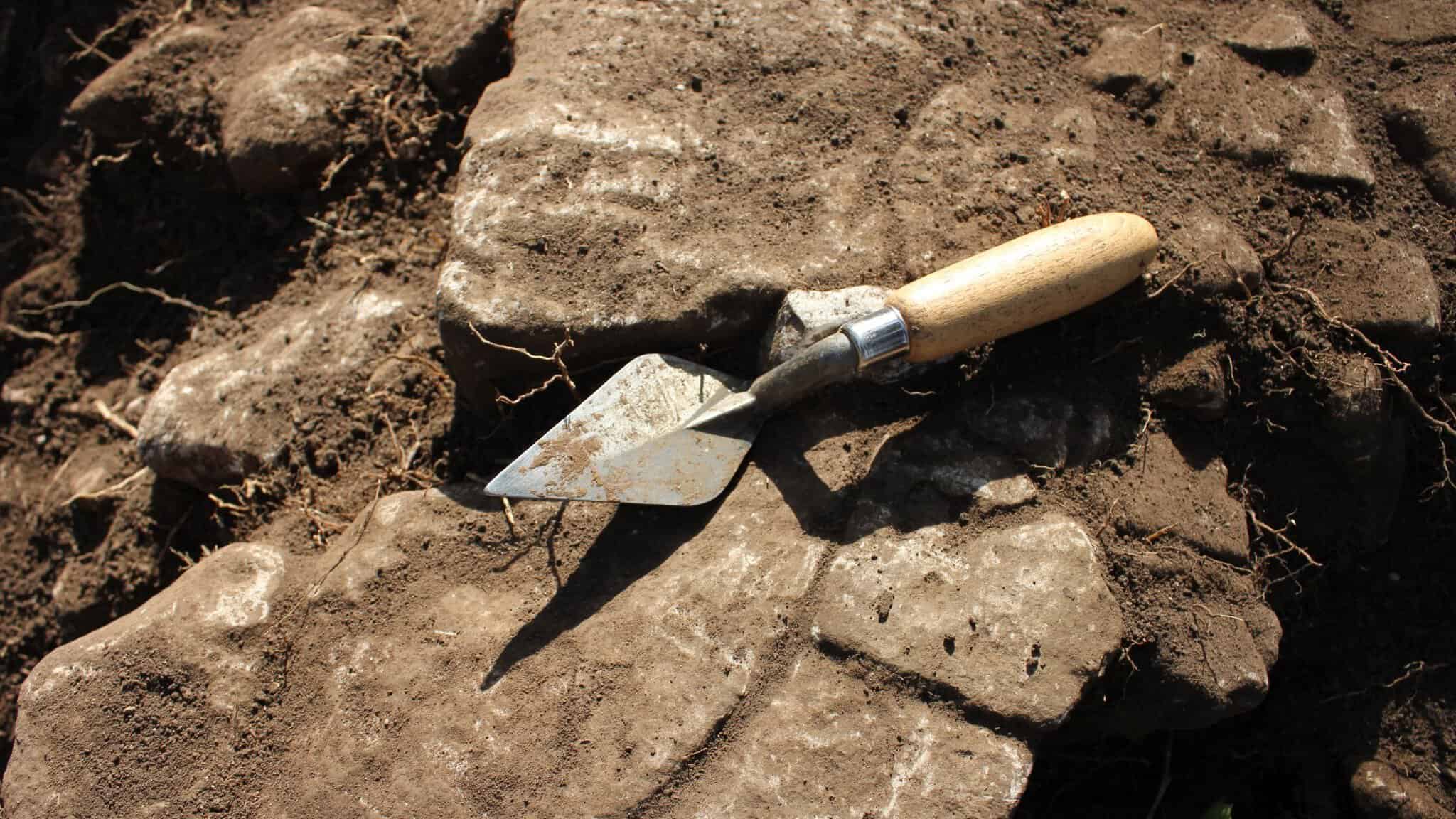
Work at a PriceSmart construction site in Santo Domingo de Heredia could be temporarily stopped after archaeological material was found during earth movement, prompting the National Museum of Costa Rica to ask environmental authorities for an immediate suspension while specialists inspect the property.
The request was sent to Setena, Costa Rica’s environmental review agency, after material of possible archaeological value appeared at the site where the new PriceSmart Santo Domingo project is being developed. The National Museum said no more earth movement should take place until a museum archaeologist carries out a technical visit and issues a report on the find.
The case puts a familiar Costa Rican tension back in the spotlight: major development moving across land that may still hold traces of our pre-Columbian past.
The Culture Ministry said the project already had environmental viability, granted by Setena on Nov. 3, 2025, under resolution No. 1622-2025-Setena. The project is listed under administrative file No. D1-0594-2025. As part of the environmental process, the developer was required to have an archaeology professional supervise earth movement at the site.
The National Museum said the archaeologist hired by the company did not request an archaeological evaluation measure during the field inspection, according to the institution. The museum is now asking Setena to require archaeological supervision while the project proceeds, if work is allowed to resume.
The Municipality of Santo Domingo also asked that earth movement be suspended while the technical review is completed. The museum said the measure is preventive and intended to protect any possible evidence that could remain underground.
Costa Rican law requires work to stop when possible archaeological objects are found during public or private construction. Under the Law on National Archaeological Heritage, discoveries must be reported to authorities and the National Museum has 15 days to define how archaeological rescue work should be organized.
The law also makes clear that archaeological excavation cannot be carried out casually or by unauthorized workers. The National Museum reminded the public that only the National Archaeological Commission can authorize archaeological excavations, and that such work must be handled by approved professionals or institutions.
PriceSmart said it is aware of the situation and will cooperate with the National Museum and other authorities. Marco Torres, PriceSmart’s vice president of operations, said legal compliance is part of the company’s non-negotiable values.
For now, the key question is what the material is and whether it points to a larger archaeological site. Officials have not yet publicly confirmed the age, origin or cultural affiliation of the find. Some social media posts have referred to a possible pre-Hispanic piece, but the museum’s technical report will be needed before the discovery can be described with certainty.
The episode is also a reminder that in Costa Rica, archaeological heritage is not limited to known parks, museums or protected sites. Finds can appear during roadwork, housing projects, utility works and commercial construction, especially in areas of the Central Valley with long histories of Indigenous settlement.
If the museum confirms a significant find, the project could face a more detailed archaeological evaluation or rescue process before construction continues in the affected area. If the material is determined to be limited or already disturbed, authorities may allow work to resume under tighter monitoring.
Until that report is issued, the PriceSmart site in Heredia has become more than a retail development. It is now a test of how Costa Rica balances new construction with the older history still buried beneath it.





