

Russia has rejected Costa Rica’s concerns over the presence of Russian military personnel in Nicaragua, saying Moscow’s cooperation with Managua is legal, limited and not directed against any third country.
The response came after Costa Rican Foreign Minister Manuel Tovar told the Organization of American States that San José is worried about the “persistent and recent” presence of Russian military forces in Nicaragua, as well as broader security and democratic deterioration under Daniel Ortega and Rosario Murillo.
Russia’s Embassy in Costa Rica pushed back publicly, saying Tovar’s concerns “lack foundation.” The embassy did not deny that Russian military personnel are in Nicaragua. Instead, it said they are “advisers and military specialists” involved in training, exchange of experience, humanitarian work, and search-and-rescue operations during emergencies and natural disasters. For Costa Rica, the issue is not only Russia. It is geography, history and limited leverage.
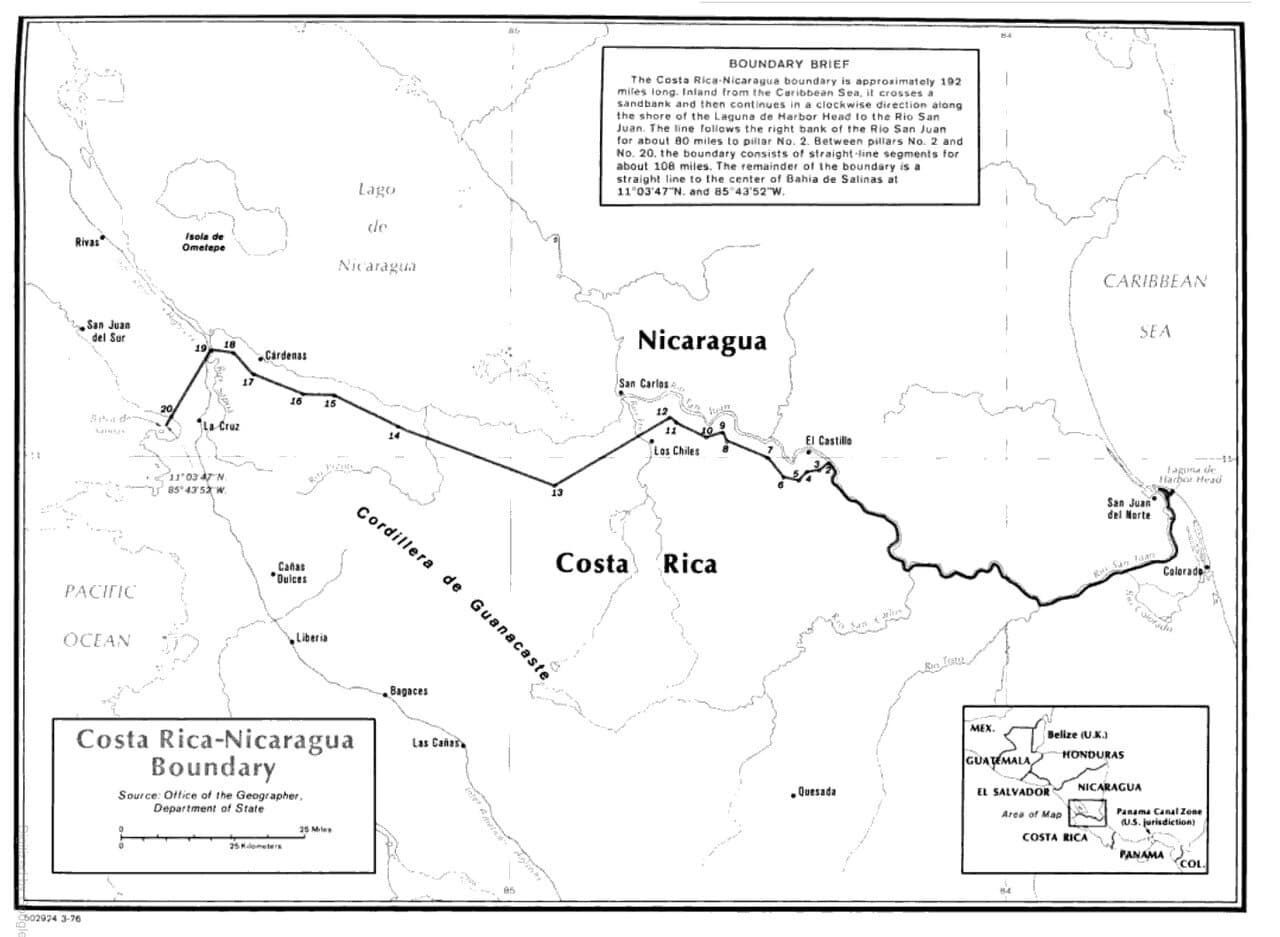
Costa Rica has no standing army and shares its northern border with Nicaragua, a country that has deepened ties with Russia, China, Cuba and Venezuela while facing repeated accusations of repression, arbitrary detention and attacks on civil society. That makes any foreign military activity in Nicaragua politically sensitive in San José, even when Moscow and Managua describe it as routine cooperation.
Nicaragua recently authorized the temporary entry of foreign troops, aircraft and vessels from several countries, including Russia, China, the United States, Mexico, Cuba, Venezuela and Central American nations. The authorization is fromd from July 1 to December 31, 2026.
Managua has used similar six-month authorizations before, usually framing them as military exchanges, training exercises, anti-crime operations or humanitarian cooperation. Russia’s embassy leaned on that argument, saying Nicaragua can invite foreign contingents under the same legal framework used for other countries and that Costa Rican officials are aware of that system. That explanation is unlikely to satisfy Costa Rica.
San José’s concern is that Russia’s presence in Nicaragua is part of a larger security pattern, not an isolated training arrangement. U.S. authorities have previously sanctioned a Russian Ministry of Internal Affairs training center in Managua, saying it trained members of Nicaragua’s National Police and helped support repression under the Ortega-Murillo government.
Costa Rica is also managing a tense moment with Nicaragua. At the OAS meeting in Panama, Tovar criticized Nicaragua’s human rights record and referred to the death in state custody of Indigenous leader Brooklyn Rivera. The OAS later adopted a declaration expressing concern over the deterioration of human rights and democratic institutions in Nicaragua, including arbitrary detentions, forced disappearances, torture, and attacks on civic space.
The diplomatic exchange also lands at a politically important time for President Laura Fernández, whose administration has made security one of its central messages. Fernández took office in May promising a tougher approach to organized crime, judicial reform and public safety. That makes a dispute involving Russia, Nicaragua and Costa Rica’s border useful domestically, but also delicate.
The risk for San José is overstatement. Costa Rica has not presented public evidence that Russian advisers in Nicaragua pose an immediate threat to Costa Rican territory. Russia says the cooperation is defensive and humanitarian. Nicaragua says it has the sovereign right to authorize foreign military cooperation.
But Costa Rica’s worry is not irrational. Russian personnel in Nicaragua operate in a country whose government has broken sharply with democratic norms, left the OAS, strengthened ties with Moscow, and taken an increasingly hostile posture toward critics at home and abroad. Costa Rica also hosts a large Nicaraguan exile community, making Nicaragua’s internal repression a domestic issue as well as a foreign policy concern.
So what can Costa Rica actually do?
The first tool is diplomacy. Costa Rica can keep raising the issue at the OAS, the United Nations and in direct conversations with partners such as the United States, the European Union and regional governments. That does not force Russia or Nicaragua to change course, but it keeps the issue on the international agenda and increases political costs.
The second tool is intelligence and policing. Costa Rica can strengthen border monitoring, migration controls, intelligence sharing and cooperation with allies. That fits Costa Rica’s security model: police, not military. It also avoids turning a diplomatic dispute into unnecessary public panic.
The third tool is legal. If Costa Rica believed foreign military activity in Nicaragua had crossed into Costa Rican territory, threatened sovereignty, or violated international agreements, it could turn to international legal forums. Costa Rica has used international courts before in disputes with Nicaragua. But that option requires evidence and a specific legal claim, not just concern.
The fourth tool is restraint. Costa Rica has to explain why it is worried without making the country sound unsafe. For residents and visitors, this is primarily a diplomatic and regional security issue, not a sign of immediate disruption to daily life or tourism inside Costa Rica.
That balance will matter. If the government sounds too passive, it risks criticism at home for ignoring a strategic problem next door. If it sounds too alarmist, it risks giving the impression of a border crisis that authorities have not shown exists.
Moscow is trying to frame the arrangement as routine military cooperation. San José sees it differently: Russian personnel operating in Nicaragua, whatever their stated role, remain a security concern that Costa Rica is not likely to drop.
The dispute is unlikely to disappear quickly. Nicaragua remains one of Russia’s closest partners in Central America, and Costa Rica’s security debate is moving in a harder direction. The question is whether San José can turn its concern into sustained diplomatic pressure without inflating the threat beyond what the public facts support.





