

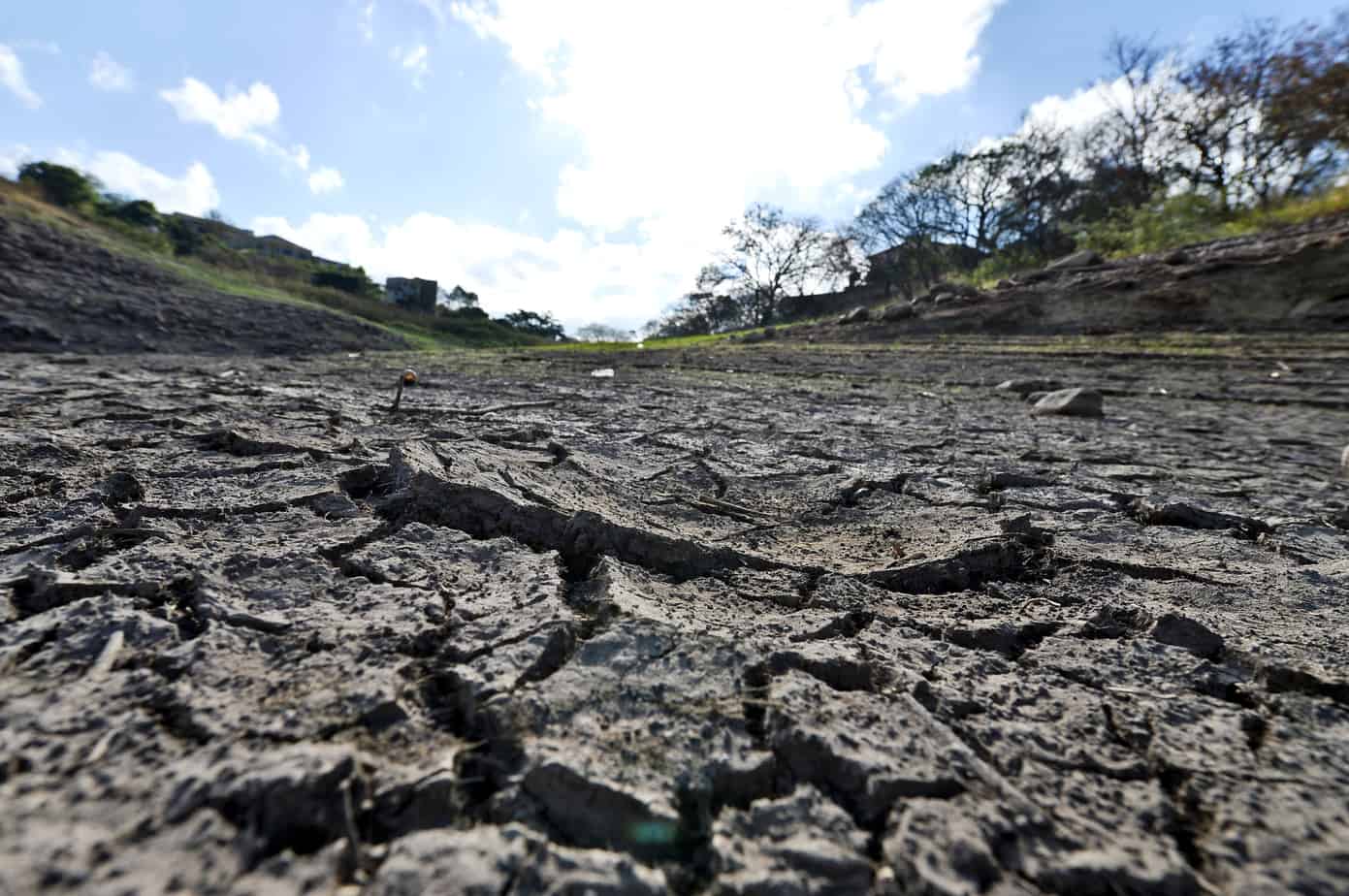
El Niño is no longer a forecast for Costa Rica. It’s here. The U.S. National Oceanic and Atmospheric Administration (NOAA) confirmed Thursday that the climate phenomenon has established itself in the equatorial Pacific, and Costa Rica’s government responded the same day by launching a national preparedness strategy backed by more than ₡82 billion in spending.
The plan, called “Costa Rica se prepara unida para enfrentar El Niño” (Costa Rica Prepares United to Face El Niño), lays out measures to protect drinking water, agricultural production, the electricity system and vulnerable populations through the 2026-2027 time frame. The investment is organized around five areas: production, energy, water, population and commerce.
Concrete actions include response plans in case water rationing becomes necessary, active monitoring of water sources and the reservoirs that feed hydroelectric generation, and training programs for farmers. Authorities are also asking households to use water and electricity sparingly.
For anyone living in or even visiting Costa Rica, this translates to hotter, drier days ahead. The National Meteorological Institute (IMN) had earlier warned of rainfall deficits between 10% and 30% nationally, and its updated outlook points to even drier and warmer conditions, with effects beginning in June and potentially extending into early 2027. The Pacific side, especially Guanacaste, is expected to feel the sharpest impact. NOAA projects the phenomenon will reach very high intensity between November and January 2027.
Our financial system is moving alongside the government. The Banco Nacional, Banco de Costa Rica and Banco Popular announced options for customers including extended loan terms, debt restructuring, modified payment schemes and access to new financing, aimed at farmers, ranchers and small businesses likely to feel the squeeze from reduced rainfall.
The Agriculture Ministry is separately rolling out preventive measures across the farm sector, including forage banks and strategic feed reserves for cattle, silage and hay production, and water storage infrastructure — an effort to avoid the production losses and food price pressure that past El Niño events have brought.
Officials have framed El Nino as a challenge requiring coordination across all institutions and cooperation from the public. The strategy focuses on monitoring, early response, and sector-by-sector support instead of waiting for the impacts to arrive.





