

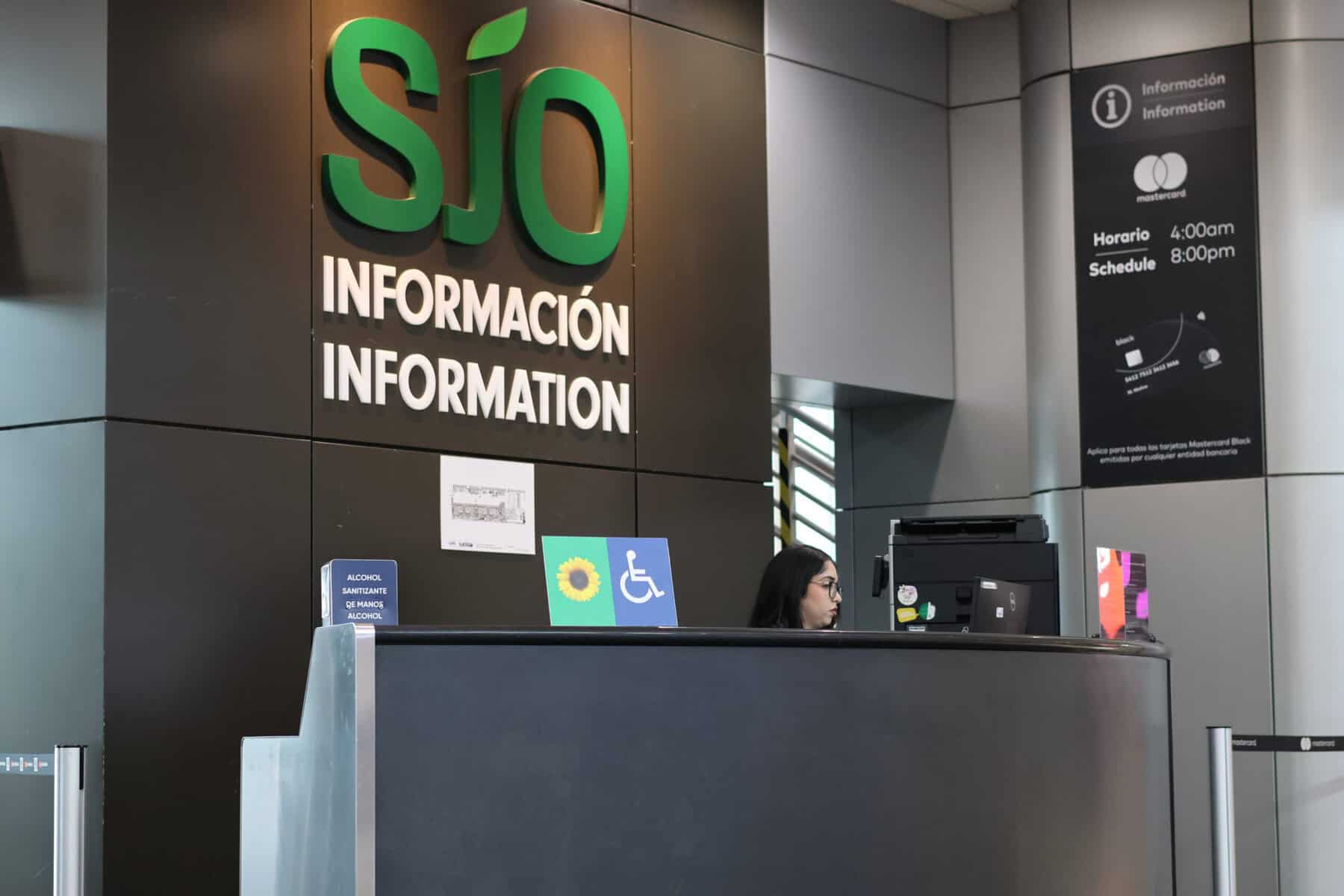
Juan Santamaría International Airport has joined the Hidden Disabilities Sunflower Program, giving travelers with non-visible disabilities a discreet way to ask for patience, support or extra time while moving through Costa Rica’s main airport.
The program uses a sunflower symbol, usually worn as a lanyard or badge, to let trained airport staff know that a passenger may need additional assistance. It is designed for people whose disability or condition may not be obvious, including autism, anxiety, dementia, chronic pain, sensory conditions and other neurological, cognitive, physical or sensory disabilities.
For travelers arriving in or departing from Costa Rica, the change is meant to make the airport experience less stressful without forcing passengers to repeatedly explain a private condition. The sunflower does not label a person publicly in detail. It simply signals that the traveler may need a little more time, clearer instructions, a calmer interaction or help moving through the terminal.
The airport, managed by AERIS, began implementing the program after training front-line staff to recognize the sunflower symbol and respond appropriately. The rollout also includes signage and awareness actions inside the terminal so airport workers, passengers and other users understand what the symbol means.
Passengers who want to use the program can request the sunflower identifier at the information point in International Departures. They must present a passport and boarding pass.
The addition is especially relevant at Juan Santamaría, the main entry point for most international visitors to Costa Rica. Airports can be difficult spaces for travelers with hidden disabilities: crowded lines, security checks, immigration procedures, announcements, bright lights, delays and sudden changes can all create added pressure.
The Hidden Disabilities Sunflower Program was first started at London Gatwick Airport in 2016 and has since expanded across the travel industry. It is now used by more than 340 airports in over 70 countries, along with dozens of airlines. Globally, an estimated one in six people lives with some form of disability, and many of those disabilities are not visible. For those passengers, the sunflower can reduce the need for uncomfortable explanations at every step of the trip.
Juan Santamaría Airport already lists several accessibility services, including ramps, adapted bathrooms, wheelchair transfer service, accessible parking spaces, adapted counters, preferential seating, exclusive lines for immigration and security processes, and adapted official taxi service for wheelchair users.
The sunflower program adds another layer to that system by focusing on travelers whose needs may not be immediately apparent. It does not replace airline assistance, wheelchair requests or other formal travel support, so passengers who need specific help should still contact their airline before flying.
For those traveling through San José, the new program is a practical improvement. It gives passengers a simple way to ask for understanding in a place where stress can build quickly, especially during high season, early morning departures and long immigration or security lines.
The goal here is to make Costa Rica’s busiest airport easier to use for travelers whose challenges are real, even when they are not visible.





