

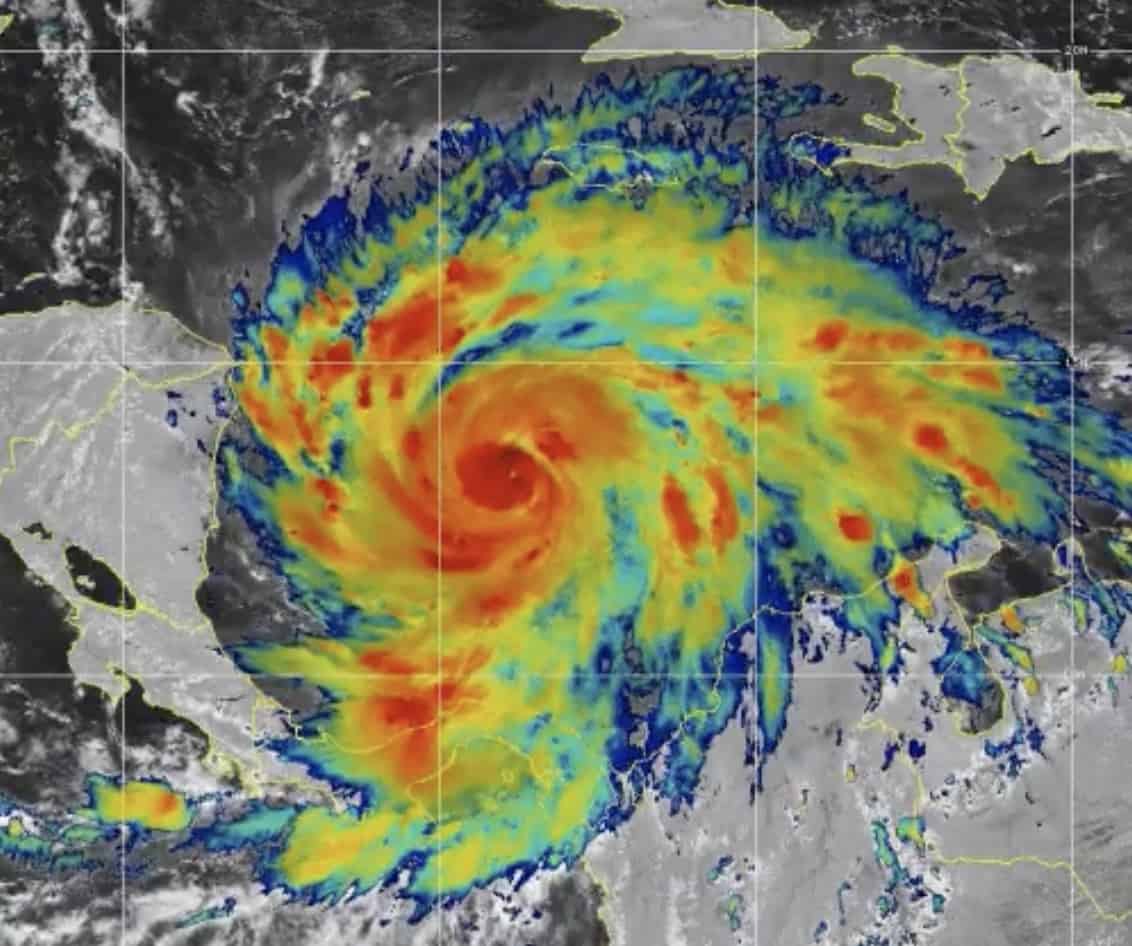
The 2026 Atlantic hurricane season began Monday, June 1, and while the forecast is calmer than in many recent years, Costa Rica still has reason to pay close attention through November. The U.S. National Oceanic and Atmospheric Administration is forecasting a below-normal Atlantic season, with 8 to 14 named storms expected across the basin. Of those, 3 to 6 could become hurricanes, and 1 to 3 could reach major hurricane status at Category 3 or higher, with sustained winds of at least 111 mph.
A typical Atlantic season produces 14 named storms, 7 hurricanes and 3 major hurricanes, so forecasters are expecting a quieter year than average. Still, a quieter forecast does not mean a harmless season.
The main factor behind the lower Atlantic outlook is the expected development and strengthening of El Niño conditions as the season progresses. El Niño is a periodic warming of waters in the central and eastern Pacific Ocean. It often increases wind shear across the Atlantic basin, making it harder for storms to organize and intensify.
For Costa Rica, the more important detail may be what happens in the Pacific.
The Eastern Pacific hurricane season began May 15, and El Niño conditions can make that basin more active. Warmer Pacific waters can help fuel tropical storms and hurricanes off the coasts of Mexico and Central America, bringing heavy rain, dangerous surf and unstable weather even when systems remain offshore.
Costa Rica faces tropical weather risks from both sides. The Caribbean coast, including Limón and parts of Heredia, is most exposed to Atlantic storms that move west through the Caribbean. Direct hurricane strikes in Costa Rica are rare, but direct impact is not required for serious damage. Outer bands from storms passing through the western Caribbean can send heavy rain into Costa Rica’s mountains, rivers and low-lying communities.
The Pacific coast faces a different threat. Tropical systems forming offshore can push rain bands toward Guanacaste, Puntarenas and the Central Pacific, raising the risk of river flooding, landslides, coastal erosion and dangerous surf. Even storms that never make landfall can still affect travel, roads, beaches and coastal communities.
As of this afternoon, the Atlantic remained quiet, with no tropical cyclone formation expected during the next seven days. The Eastern Pacific was already showing early activity, including the first tropical depression of the season over open waters and another area of possible development expected later this week or over the weekend off Central America and southern Mexico.
The sinkhole that opened on Route 27 last week is a reminder that Costa Rica does not need a named storm to suffer major disruption. Heavy seasonal rain can overwhelm drainage systems, destabilize hillsides and cut off key roads. A tropical wave, depression or offshore storm can multiply that rainfall in a matter of hours.
As a reminder to everyone, do not let a below-normal forecast create a false sense of security. The rainy season is already underway, the Pacific is active, and the Atlantic season now runs through November 30.
In Costa Rica, one storm in the wrong place can be enough.





