

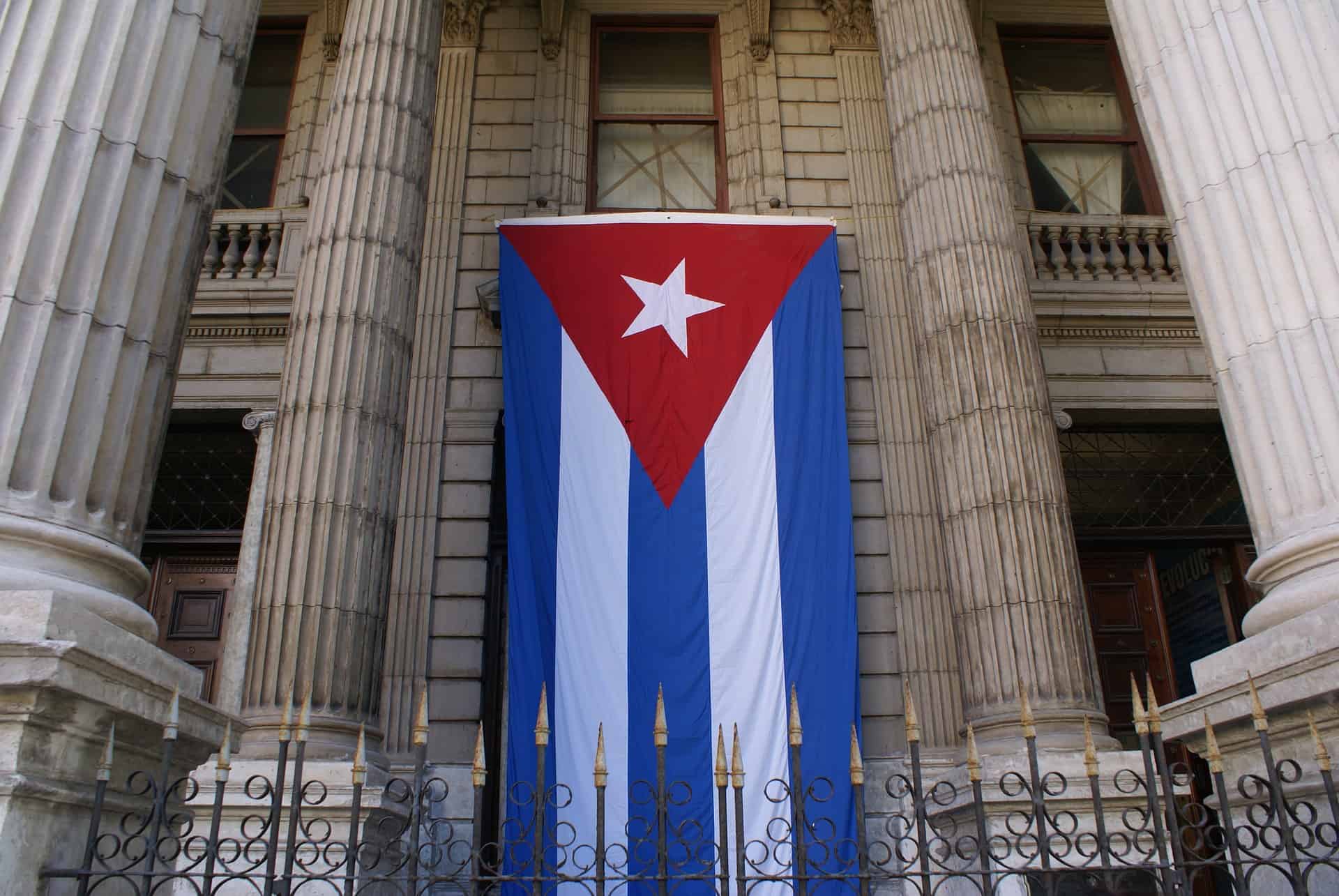
Cuba accused Costa Rica of acting under U.S. pressure after the Central American nation closed its embassy in Havana and ordered most Cuban diplomats out of San José. The move reduces ties to consular services only and marks a clear break from full diplomatic relations.
Costa Rican President Rodrigo Chaves declared that his government no longer recognizes the legitimacy of Cuba’s communist regime. He pointed to ongoing repression and poor living conditions on the island. Foreign Minister Arnoldo André confirmed the closure in an official statement from the Ministry of Foreign Affairs.
Costa Rica notified Cuba through a diplomatic note on March 17. It requested the withdrawal of Cuban diplomatic personnel from the embassy in San José, while allowing consular and administrative staff to remain to assist the roughly 10,000 Cuban residents in Costa Rica.
The Costa Rican government cited a sharp decline in fundamental freedoms, including limits on expression, association and peaceful protest. It also highlighted shortages of food, medicine and basic services that have created a growing humanitarian situation.
Chaves spoke at the inauguration of a U.S.-donated drug-scanning station near the Nicaraguan border. He said Costa Rica must help “cleanse the hemisphere of communists” and added that the communist model has failed in Cuba. President-elect Laura Fernández supported the decision.
In response, Cuba’s Foreign Ministry released a communiqué labeling the action arbitrary and unilateral. The ministry stated that Costa Rica informed Havana “without offering any argument” and invoked a “false reciprocity” to demand the diplomats leave. The Cuban statement directly blamed U.S. influence. It noted Costa Rica’s “history of subordination to United States policy against Cuba” and said the government “once again joins the offensive by the U.S. government in its renewed attempts to isolate our country.”
Cuba rejected Chaves’ comments as disrespectful and accused him of ignoring the role of the long-standing U.S. economic blockade in Cuba’s economic difficulties. President Miguel Díaz-Canel echoed the criticism, calling the decision an unfriendly act driven by Washington.
The change leaves Costa Rica to handle any consular needs for its citizens in Cuba through its consulate in Panama. Cuban diplomats must depart by the end of March, with full consular operations continuing from April 1. This step follows Ecuador’s similar decision earlier in March, when it declared its Cuban ambassador persona non grata and closed its embassy. Both countries attended a recent regional summit in Florida hosted by U.S. President Donald Trump focused on security issues.
Relations between Costa Rica and Cuba had existed at the full diplomatic level since 2009. The downgrade reflects growing tensions in Latin America over Cuba’s governance and human rights record. Costa Rica’s Foreign Ministry said it will continue to monitor developments in Cuba. No immediate plans for restoration of full ties were mentioned.
Cuban officials described the measure as counterproductive and predicted it would fail to affect the deep ties between the two peoples.





