

HomeTopicsEnvironment and WildlifePreserving Costa Rica's Sloths Through Education and Habitat Conservation

Preserving Costa Rica’s Sloths Through Education and Habitat Conservation

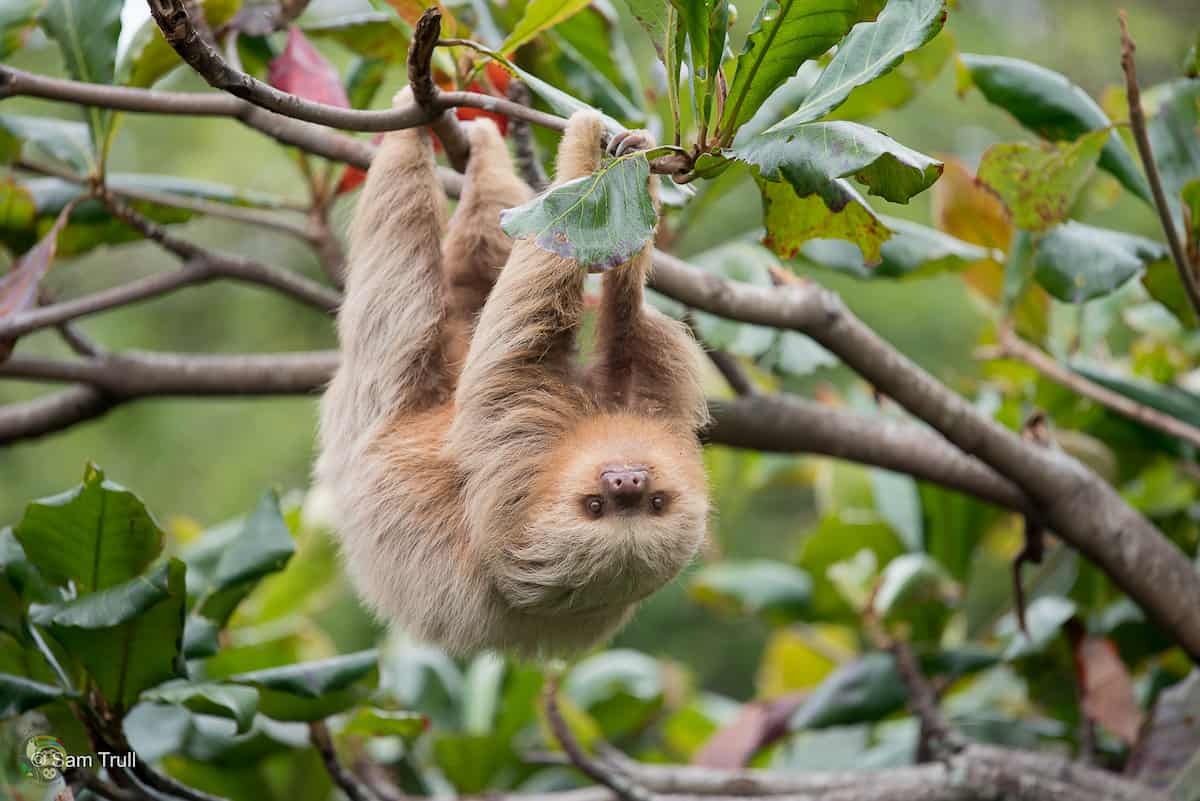
The lack of public awareness regarding the specific needs of sloths and how to protect them, as well as uncontrolled and unplanned urban expansion that destroys their natural habitat, are some of the main challenges to protecting this species in the country.

This was revealed by The Sloth Conservation Foundation (SloCo), a non-profit organization that works for the protection of sloths in Costa Rica. Cecilia Pamich, SloCo’s Director of Growth and Communication, commented that specific actions are still required to protect this species.

For example, she mentioned that some of the actions SloCo has developed include leading educational and awareness efforts at national and international levels to reduce illegal trafficking of sloths.

They are also working on community training to mitigate human impact. In addition, they have fostered collaboration with local and national authorities, such as ICE and SINAC, to improve wildlife conservation policies. SloCo has conducted a census of sloths to determine the population in the area of Puerto Viejo, Limón.

“Since its creation, the foundation has worked intensively on scientific research to better understand the needs of sloths, implementing community reforestation programs, installing tree bridges for sloths, and other habitat conservation initiatives,” added Pamich.

To make all these projects a reality, the foundation has fundraising initiatives such as buttons through which people can “adopt” a sloth. This program allows people to select one of the animals that the foundation has identified in the area, and, without the animal being removed from its natural habitat, those interested can make donations that go directly to the care of that sloth “adopted” by the donors.

Representatives of The Sloth Conservation Foundation (SloCo) are calling on Costa Ricans to help protect sloths by reporting sightings of these animals to local organizations, being respectful of wildlife in general when visiting national parks, reserves, or beaches, promoting education to foreign visitors, and avoiding the exploitation of animals for tourism purposes.

To date, SloCo has installed 286 sloth crossings and 12 isolated electrical transformers. It has also given talks to more than 7,000 students at its sloth school and has planted more than 8,000 trees in the area.


Trending Now

Costa Rica Bill Would Let Towns Cap Airbnb Rentals

Costa Rica's municipalities could limit how many short-term rentals operate in a neighborhood, a residential building or even on certain floors of a condominium...

Costa Rica Moves to Demolish Narco Airstrips Without a Conviction

A Costa Rica bill would let authorities destroy clandestine airstrips without a final ruling and freeze land linked to them. It now heads to a floor vote.

El Niño Could Thin Out Costa Rica’s Winter Humpback Whale Season

Humpback whales from the North Pacific are about to begin arriving off Costa Rica's Pacific coast, but this season opens under one of the...

Don’t Drink This Bottled Water, Costa Rica’s Health Ministry Warns

Costa Rica's Ministry of Health is warning the public not to buy or drink NIMBU purified water from lot 27/08/26. Laboratory tests found coliform...

Costa Rica Free Zones Barely Grew and Jobs Disappeared

Production in Costa Rica's free zones, the export parks that host most of the country's multinational employers, grew just 0.6% year-on-year in September, according...

Costa Rica’s Top Prosecutor May Face Lawmakers Over Slain Journalist’s Threat Complaints

Costa Rica's ruling party wants the top prosecutor and its acting chief of judicial police to explain to lawmakers how they handled the threat...

Why Costa Ricans Head for Puriscal When the Rains Stop

Clear skies, Christmas winds and the Feria del Chicharrón make late November and December the best time to visit Puriscal, an hour west of San José.

Dollar Falls to a Record Low of 446 Colones in Costa Rica

The dollar closed at an average of 446.10 colones on Monex on Friday, its weakest level since the platform opened in 2006 and the eighth straight daily decline.

Costa Rica Plans Rent-to-Own Homes With Up to 100% Financing

Costa Rica's Housing Ministry is drafting a rent-to-own model. Families would rent a home for about five years at a fixed price, then buy it with financing that could reach 95% to 100%. A bill is expected early next year.
Loading…

Latest News from Costa Rica

Costa Rica Coffee Maker Chorreador
Costa Rica Car Rentals
Costa Rica Travel Insurance
Costa Rica Travel


