

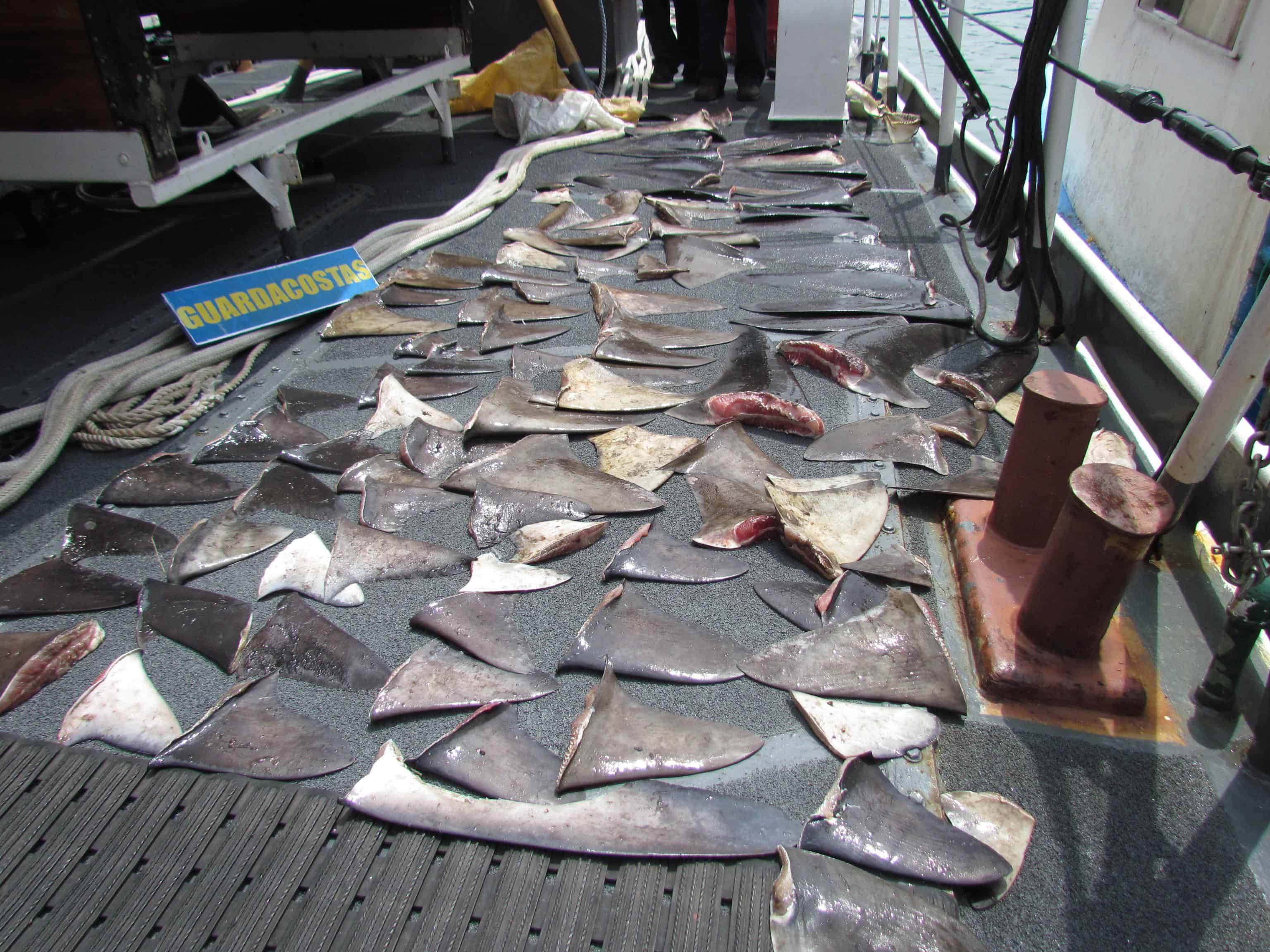
In a significant operation, Brazilian authorities have intercepted a staggering 29 tones of illegal shark fins en route to Asia, potentially marking the largest seizure of its kind to date. The environmental protection agency, Ibama, estimated that approximately 10,000 shortfin mako and blue sharks had been ruthlessly killed to obtain these fins, highly sought after as a delicacy in Asian markets. The confiscation of these fins sheds light on the illicit shark fin trade, its detrimental impact on shark populations worldwide, and its connections to countries like Costa Rica.
The confiscated shark fins originated from two export companies—one located in the southern state of Santa Catarina and the other in the southeastern state of Sao Paulo. Brazilian authorities are currently investigating additional firms suspected of involvement in this illegal trade. It is important to note that shark fishing is completely prohibited in Brazil, making this seizure a clear violation of national laws and regulations.
The demand for shark fin soup, particularly in China and Japan, has fueled the illegal trade. Certain beliefs associate this dish with medicinal properties and aphrodisiac effects, although scientific studies have not substantiated these claims. As a result, the market price for shark fins can reach astonishing figures of up to $1,000 per kilogram in Asia, contributing to an estimated $500 million annual value for the black-market shark fin trade.
Ibama, highlighting the devastating consequences of indiscriminate fishing, expressed concern over the drastic decline in global shark populations. Sharks play a crucial role in maintaining marine ecosystems, and their rapid depletion can disrupt the delicate balance of marine life.
Fortunately, efforts to protect shark species gained momentum in November, when 183 countries, including Costa Rica, collectively agreed to safeguard 54 shark species, including those from the hammerhead and requiem families, under the Convention on International Trade in Endangered Species (CITES).
Costa Rica’s involvement in this international initiative demonstrates its commitment to marine conservation and sustainable practices. As a country known for its rich biodiversity and vast marine resources, Costa Rica recognizes the need to protect and preserve vulnerable shark species from exploitation and overfishing. By joining forces with other nations, Costa Rica aims to curb the demand for shark fins, promote responsible fishing practices, and ensure the long-term survival of these magnificent creatures.
The recent seizure of illegal shark fins serves as a stark reminder of the ongoing challenges faced in combatting the illicit shark fin trade. It emphasizes the need for continued international cooperation, stricter regulations, and greater awareness to protect sharks and their vital role in maintaining healthy marine ecosystems.
Through collective efforts, it is possible to make a difference and safeguard the future of these remarkable creatures and the oceans they inhabit.





