

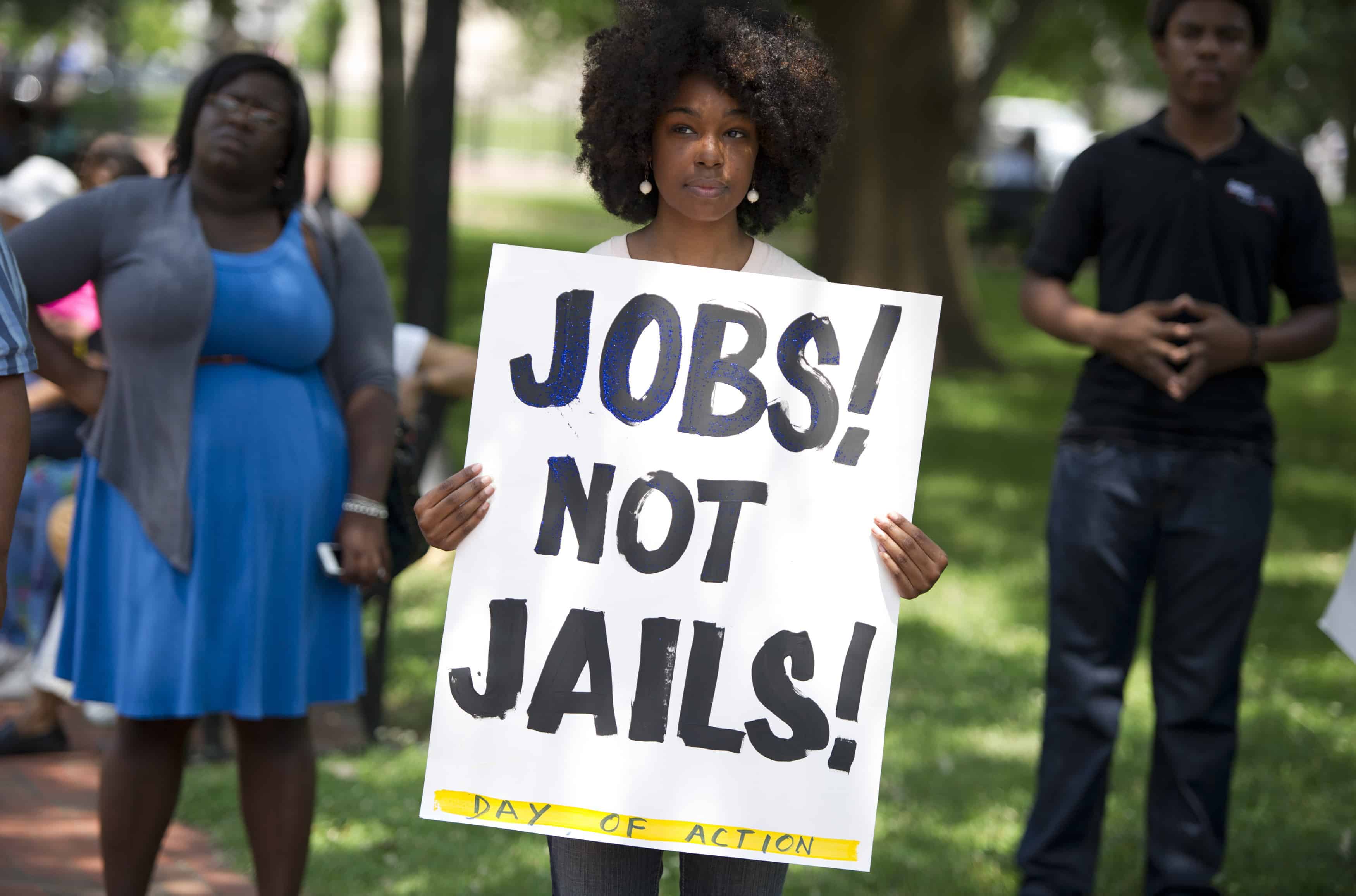
A group of 22 medical experts convened by Johns Hopkins University and The Lancet have called this week for the decriminalization of all nonviolent drug use and possession. Citing a growing scientific consensus on the failures of the global war on drugs, the experts further encourage countries and U.S. states to “move gradually toward regulated drug markets and apply the scientific method to their assessment.”
Their report comes ahead of a special U.N. General Assembly Session on drugs to be held next month, where the world’s countries will re-evaluate the past half-century of drug policy and, in the hope of many experts, chart a more public health-centered approach going forward.
In a lengthy review of the state of global drug policy, the Hopkins-Lancet experts conclude that the prohibitionist anti-drug policies of the past 50 years “directly and indirectly contribute to lethal violence, disease, discrimination, forced displacement, injustice and the undermining of people’s right to health.” They cite, among other things:
- A “striking increase” in homicide in Mexico since the government decided to militarize its response to the drug trade in 2006. The increase has been so great that experts have had to revise life expectancy downward in that country;
- The “excessive use” of incarceration as a drug control measure, which the experts identify as the “biggest contribution” to higher rates of HIV and Hepatitis C infection among drug users;
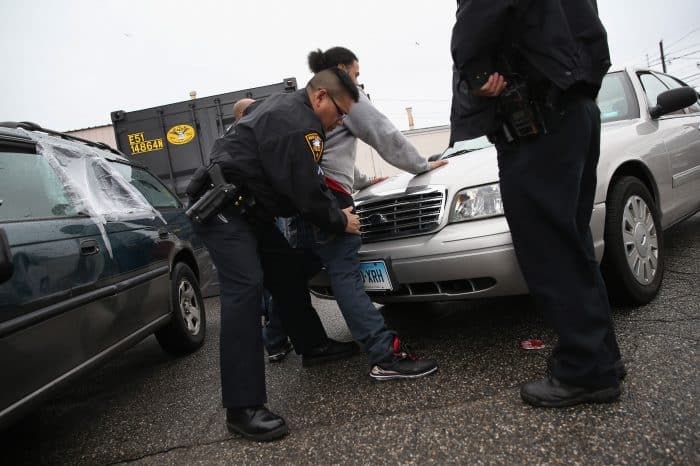
- Stark racial disparities in drug law enforcement, particularly in the United States;
- And human rights violations arising from excessively punitive drug control measures, including an increase in the torture and abuse of drug prisoners in places like Mexico.
“The goal of prohibiting all use, possession, production and trafficking of illicit drugs is the basis of many of our national drug laws, but these policies are based on ideas about drug use and drug dependence that are not scientifically grounded,” said Commissioner Chris Beyrer of the Johns Hopkins Bloomberg School of Public Health, in a statement.
For instance, the last time the U.N. held a special session on drugs, in 1998, it set itself the goal of a “drug-free world” by 2008. The Hopkins-Lancet commissioners also fault U.N. drug regulators for failing to distinguish between drug use and drug abuse. “The idea that all drug use is dangerous and evil has led to enforcement-heavy policies and has made it difficult to see potentially dangerous drugs in the same light as potentially dangerous foods, tobacco and alcohol, for which the goal of social policy is to reduce potential harms,” they write.
Also see: It’s time to end the war on drugs
Drug legalization: ‘There is another way’
The commissioners cite research showing that “of an estimated 246 million people who used an illicit drug in the past year, 27 million (around 11%) experienced problem drug use, which was defined as drug dependence or drug-use disorders.”
“The idea that all drug use is necessarily ‘abuse’ means that immediate and complete abstinence has been seen as the only acceptable approach,” commissioner Adeeba Kamarulzaman, a professor at the University of Malaya, said in a statement. But, she added, “continued criminalization of drug use fuels HIV, hepatitis C and tuberculosis transmission within prisons and the community at large. There is another way. Programmes and policies aimed at reducing harm should be central to future drug policies.”
The commissioners point to successes in drug decriminalization experiments in places like Portugal, where drug use rates have fallen, overdose deaths are rare and new HIV infections among drug users have plummeted. They recommend that other countries adopt a similar approach.
And beyond decriminalization, the commissioners recommend experimenting with the full legalization and regulation of certain types of drug use, as several U.S. states have done with marijuana.
“Although regulated legal drug markets are not politically possible in the short term in some places, the harms of criminal markets and other consequences of prohibition catalogued in this Commission will probably lead more countries [and more U.S. states] to move gradually in that direction-a direction we endorse,” they write.
A must read: Legalize It All
Other countries, particularly in Latin America, are already looking toward U.S. marijuana legalization experiments as a blueprint for how they might move away from overly punitive drug laws. But one challenge toward adopting a less stringent drug policy has always been the massive U.N. drug control treaties, which are now decades-old and which experts say reflect outdated and even harmful ways of thinking about drug use.
Reformers are hoping that the upcoming General Assembly Special Session on drugs will mark a turning point in the drug war. But getting nearly 200 countries to agree on any change in direction will be a challenge. And early indications appear to be that negotiators are setting their sights low.
A draft document of the resolution to be discussed at the special session reaffirms the U.N.’s “commitment to the goals and objectives of the three international drug control conventions” — the same conventions criticized in the Hopkins-Lancet report. And it calls on countries to “actively promote a society free of drug abuse,” echoing the language of the failed drug control goals of the 1990s.
© 2016, The Washington Post





