

No menu items!

COSTA RICA'S LEADING ENGLISH LANGUAGE NEWSPAPER

HomeTopicsExpat LivingCosta Rica’s Chira Island: When Dolphins Protected the People

Costa Rica’s Chira Island: When Dolphins Protected the People

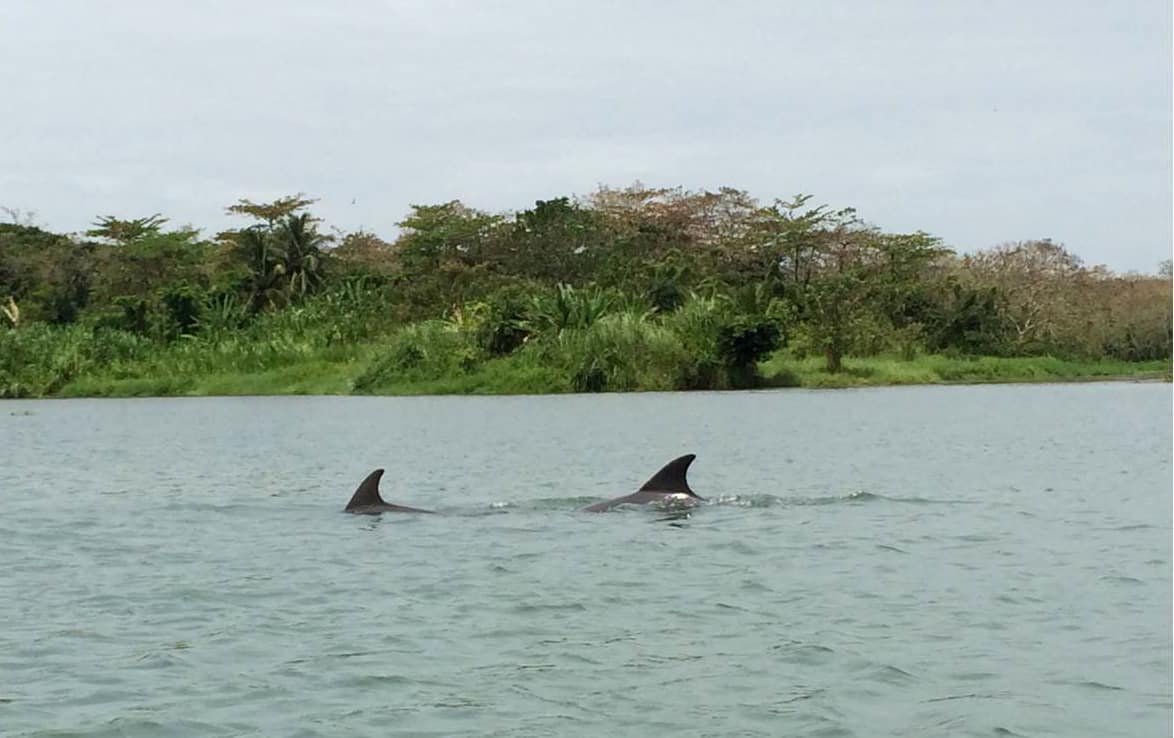
Long ago, on an island just off a rich coast, there was a little community of people. One day on the beach, a dog from the village began to play with a dolphin in the shallow water. The friendly sea mammal soon began showing up every day to swim with the villagers. He even trained them to call him by banging on the side of a wooden dugout when he was far away.

The kids in the community made fast friends with the dolphin, and he often swam with them. The dolphin also performed flying feats into the air that awed the villagers. Toddlers who could not yet swim would get into the small dugout canoe, and the dolphin would push them around until his beak was raw from the fun.

The dolphin would even come out of the water onto boats, where children could pet and pose him. Sometimes the social mammal came out of the water onto the beach, and the villagers had to help him back to the sea. The identity of the community became entwined with the dolphin.

The dolphin took no fish from the people, but he did protect them. The people learned that they could swim in the sea without fear of sharks, as long as the dolphin was with them. The people trained the dolphin to call them when he wanted, with special sounds the dolphin made. They noted that the dolphin never resisted anything the children did. They rode him and even turned him upside down.

Then one day, a fisherman found the live dolphin in his net and hacked him to death with a machete. The village was horrified. The people were traumatized. And things would never be the same.

One week later, the fisherman was in his canoe during a storm, and he was struck dead by lightening. His name was Raphael Conteras. Today the island waters are polluted and the people are poor.

New Zealander Wade Doak documented this true story in his 1988 book “Encounters with Whales and Dolphins.” The story is based on accounts from Geraldo Huertas and John Walsh of the World Society for the Protection of Animals, and it appeared in the Nov. 29 issue of the Weekly World News in 1983.

The name of the island was Chira.

The country was Costa Rica.

These days the nets of Costa Ricans kill far more dolphins than one.

What will be the lightning strike?

Trending Now

What a US Military Presence Could Mean for Costa Rica

Independence Week is here. Drums beat in the distance, schoolkids dress in traditional garb, and Costa Rica celebrates 205 years of freedom and self-determination....

Costa Rica’s New High-Security Prison for Organized Crime to Be Ready in 15 Days

Costa Rica’s new high-security prison for organized crime is expected to be handed over to the government by the end of September, with authorities...

CDC Flags Costa Rica for Higher-Than-Expected Dengue Risk

If you're in Costa Rica or heading here soon, mosquitoes deserve more of your attention than usual. The U.S. Centers for Disease Control and...

Costa Rica Data Center Proposal Draws Water Concerns

Residents protested a possible data center in Bagaces on Saturday, raising concerns about water use and demanding more information, while the mayor said no...

Brazil’s João Fonseca Pulls Out of Asian Tennis Swing to Focus on Recovery

Brazilian tennis star João Fonseca has withdrawn from the upcoming Asian swing, including the Japan Open in Tokyo and the Shanghai Masters, as the...

Thousands rally across Costa Rica in defense of the courts as President Fernández pushes judicial overhaul

Thousands of Costa Ricans protested last night against what they see as a threat to the country's democracy from President Laura Fernández, driven by...

Costa Rica Restores Visitor Capacity at Corcovado’s Sirena Station

Costa Rica has restored visitor capacity at Corcovado National Park’s Sirena Station to 366 people per day after months of restrictions connected to wastewater treatment problems.

AI data center planned for Limón sits on wetlands, forest and aquifer zone

Official records show the site of the proposed Quantum AI Free Zone Campus in Limón holds three registered wetlands, forest cover, flood-prone land and part of an aquifer reserve.

U.S. Deported More Than 25,000 People Through Secret Third-Country Deals

More than 25,000 people have been deported by the United States to countries with which they have no ties under agreements involving 35 nations and hundreds of millions of dollars, according to an investigation by Forbidden Stories.
🌴 The Weekly Pura Vida

Costa Rica, Once a Week

The week's top stories, weather & insider tips — delivered every Sunday. One email, zero clutter.

🔒 Free. No spam. Unsubscribe anytime.

Loading…

Latest News from Costa Rica

Costa Rica Coffee Maker Chorreador
Costa Rica Car Rentals
Costa Rica Travel Insurance
Costa Rica Travel



