

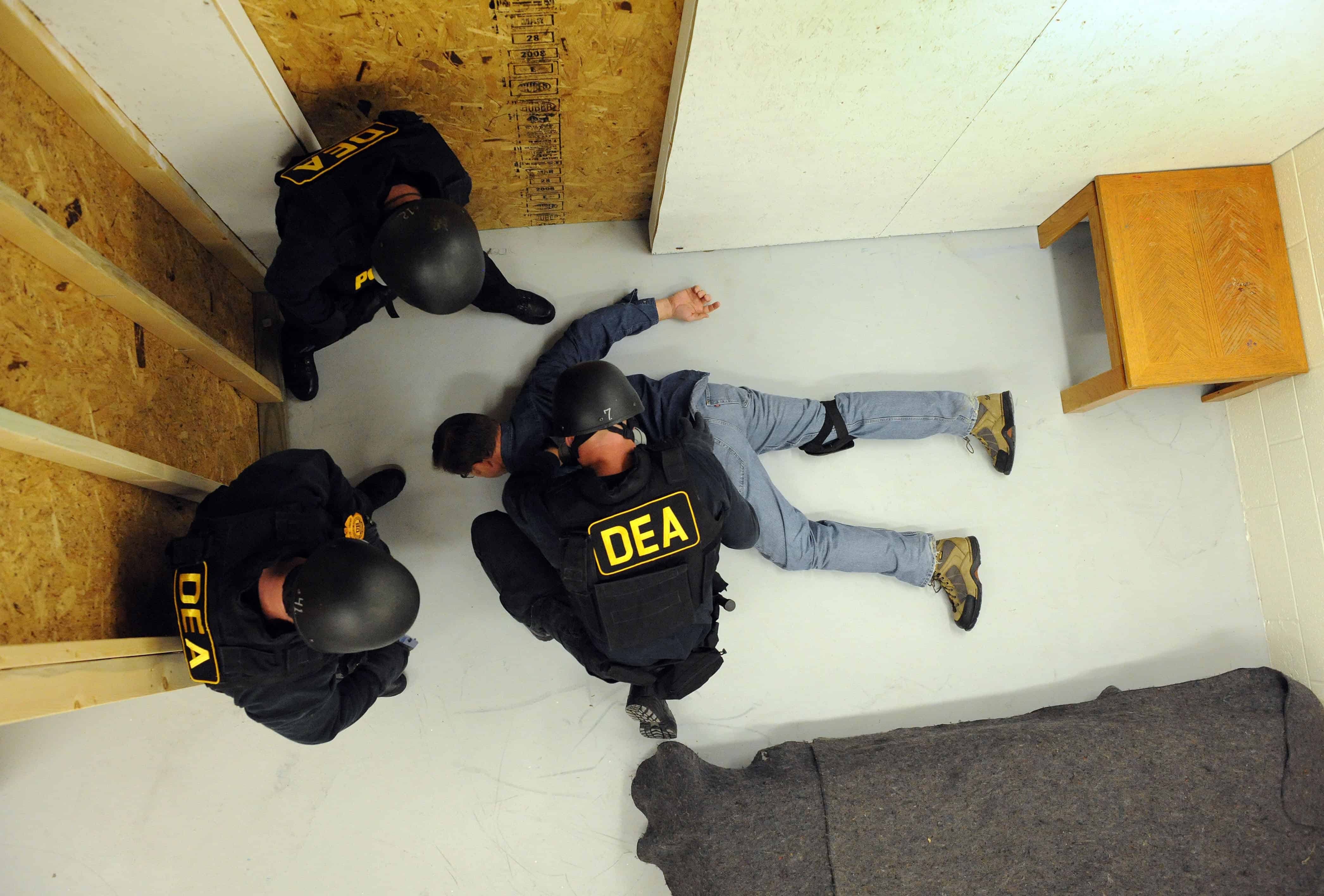
WASHINGTON, D.C. — Drug traffickers who cooperate with U.S. federal investigators are poorly vetted, and the Drug Enforcement Administration did not properly monitor at least 240 informants — some of whom crossed the line into illegal activity and were under criminal investigation by other authorities.
That’s the conclusion of a new report from the Justice Department watchdog, who found another weakness in the DEA’s oversight of its informants: Some of them get workers’ compensation benefits from the government despite questionable qualifications.
Investigators from Inspector General Michael Horowitz’s office found that the DEA paid more than $1 million in these benefits in 2014 to 17 informants or their dependents — without proper government controls, according to a report made public last week.
The DEA used “over 240 confidential sources without rigorous review,” investigators found in the report, made public last week. “This created a significant risk that improper relationships between government handlers and sources could be allowed to continue over many years, potentially resulting in the divulging of sensitive information or other adverse consequences for the government.”
In some cases, the agency continued for years — with no intervention from the Justice Department, its parent agency — to use informants involved in criminal activity, some of them considered high-risk.
The criticism comes as the DEA has been under fire in recent months from Congress and Justice officials. Administrator Michele Leonhart was forced to step down in May following revelations about “sex parties” involving prostitutes overseas and other misconduct among agents.
The DEA, created by the Nixon administration in 1973 during the war on drugs, enforces the country’s drug laws and bring violators to justice. A basic way agents do their jobs is by recruiting informants. The agency is supposed to monitor when they cross the line into illegal activity and keep tight tabs on them, according to guidelines set by the attorney general.
Interesting read: The intellectual architect of the US’ modern war on drugs has died
But investigators found that the agency hasn’t always followed those guidelines, instead setting up its own standards. So drug kingpins, as well as lawyers, doctors or journalists haven’t been vetted as they should be, even though they’re considered high-risk informants.
Despite what the policies say, the DEA’s review of potential informants’ files has long been a quick rubber stamp, investigators found. In a video released with the report, Horowitz said his investigators uncovered evidence that he said “raises significant concerns for one of the DEA’s more significant and sensitive programs.”
A committee charged with reviewing informants weighed each source for an average of a minute each from 2003 to 2012, Horowitz said. “And that’s when there was any review at all.”
Justice Department spokesman Patrick Rodenbush said Justice officials ordered a comprehensive review of the DEA’s confidential source policies late last year.
“The review will address and revise policies related to high-level, privileged and media-related confidential sources and put in place more stringent requirements to better assess and mitigate risk when approving” illegal activity, Rodenbush said in a statement.
The agency also has a put moratorium on seeking workers’ compensation for confidential sources and is reviewing its policies and procedures for handling current recipients, he said.
Horowitz said said the report was delayed “for months at a time” because the DEA held back information from investigators. Even after a year of investigating, the inspector general’s office calls its review of the informant program “limited.”
Despite a lack of documentation, claims submitted to the Labor Department by DEA officials seeking compensation for injuries or death of informants were routinely approved, investigators found. For example:
- A confidential source was presumably killed overseas in 1991, and the DEA got benefits for the source’s family. But according to the file, there were no witnesses to the informant’s death and the body had not been recovered.
- A source who was shot and injured at home in 2002 received benefits, even though the informant’s file indicates that there were no witnesses to the shooting and contains no evidence of a link between the shooting and the person’s status as a DEA source.
The U.S. Labor Department apparently considered the applications for workers’ compensation to be accurate. Some “disabled” confidential sources drew paychecks from both the DEA and the Labor Department for years.
© 2015, The Washington Post





