

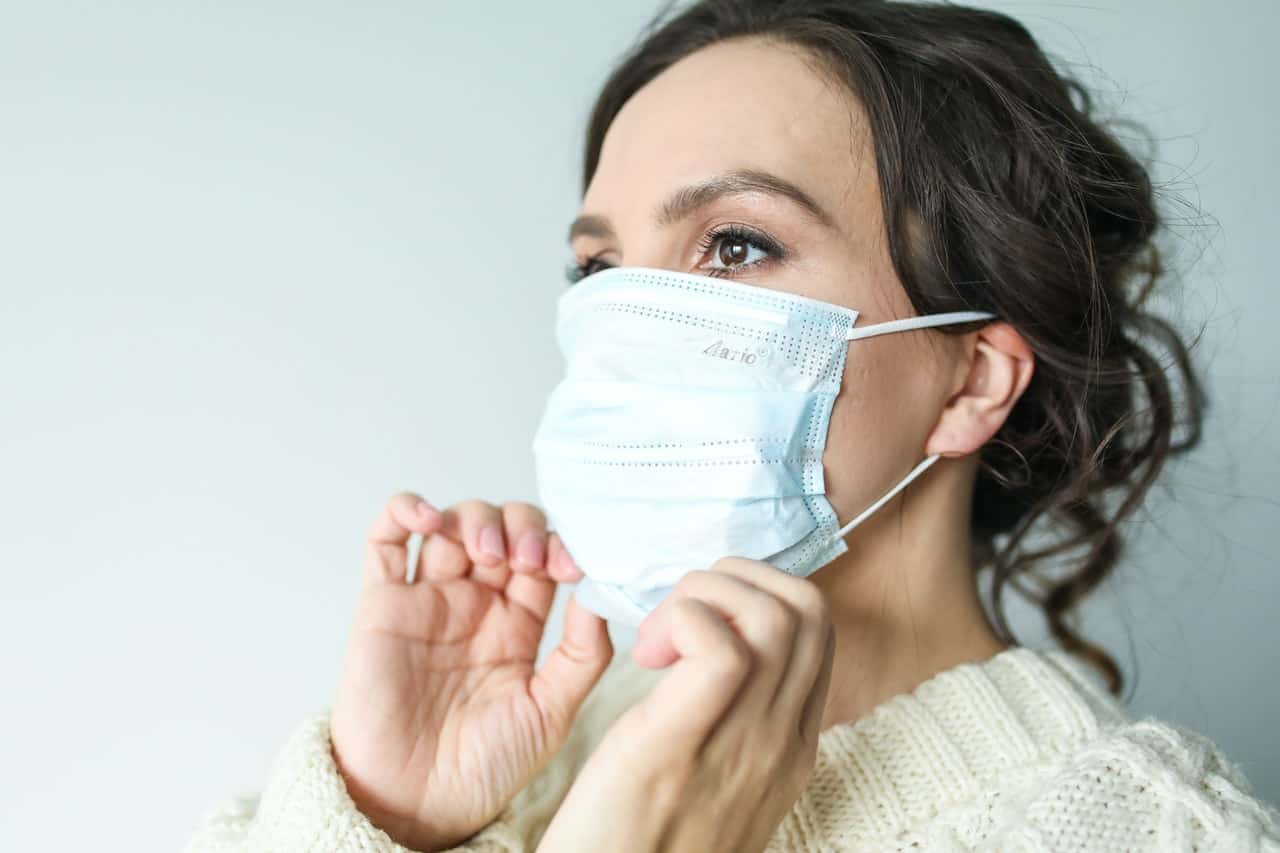
If you have an appointment at a Costa Rican public hospital or plan to visit someone who’s been admitted, bring a mask. Several hospitals in the Social Security System (CCSS) already require them, and the agency’s president is now urging a return to pandemic-era habits.
CCSS president Mónica Taylor warned about the rise in patients with respiratory illnesses. She called for mandatory masks in health centers, masks in other places, especially crowded ones and whenever you have symptoms, and proper handwashing, since rain may increase how much the viruses circulate.
The pressure on hospitals is real. Health centers report high numbers of patients with respiratory illnesses in their emergency rooms, and the intensive care unit at the National Children’s Hospital has been at its limit in recent weeks. Jerick Jiménez, head of the CCSS Health Services Network, said children and older adults are the most affected.
Here is where the rules are already stricter. At Hospital San Rafael in Alajuela, visitors must wear a mask and wash their hands before entering, a rule the hospital announced on Nov. 4. At Hospital Calderón Guardia, surgical masks and handwashing are mandatory before entering any area.
At the National Children’s Hospital, patients with respiratory symptoms and their companions must wear masks, as must companions who have symptoms themselves. Hospital México requires visitors to wash their hands before family visits and bars relatives who have flu-like symptoms.
At most other CCSS facilities, the requirement is narrower. Health centers require masks for patients who arrive with respiratory symptoms, not for everyone. According to CCSS posts on social media, the measures will stay in place until Dec. 31.
That patchwork comes from how the rules were written. An Oct. 27 memo from the CCSS medical management office tells centers to promote masks based on risk and on each patient’s condition, especially for patients with symptoms, their companions and exposed staff, rather than ordering masks for every visitor. Because each hospital sets its own rules, the simplest approach is to carry a mask whenever you go.
Some people need extra care right now. The CCSS is asking staff to pay particular attention to children under 5, adults over 70, pregnant women, people with weakened immune systems and people with chronic illnesses, and to step up flu vaccination in priority groups and RSV prevention for pregnant women and eligible children.
If you’re sick, wear a mask in public and put off hospital visits until you’re well. It protects patients who are already fragile, and at some hospitals you’ll be turned away at the door anyway.





