

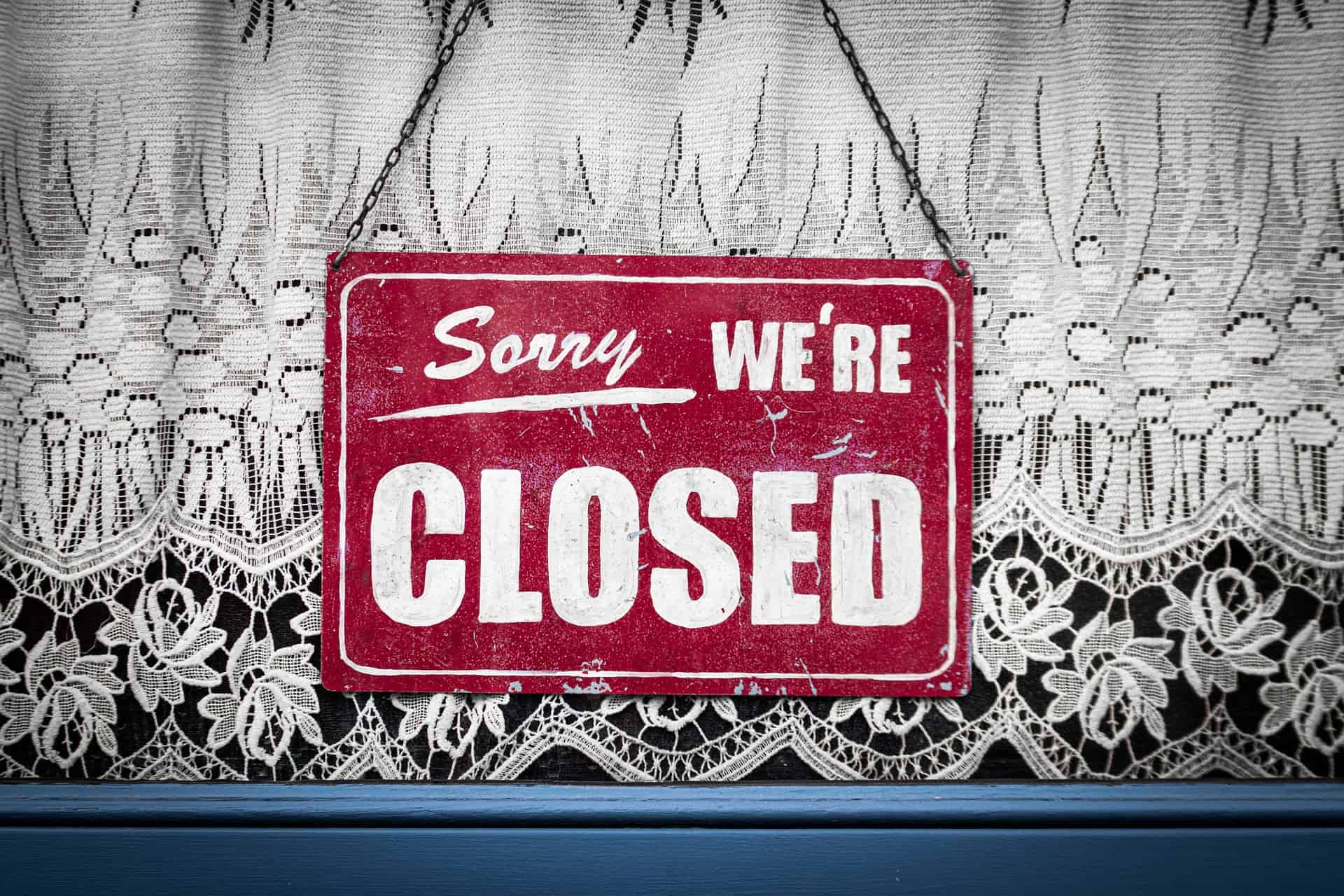
The government has ordered seven days of collective vacation for public employees: Dec. 22, 23, 24, 28, 29, 30 and 31. With Christmas, New Year’s Day and two weekends in between, offices that work Monday to Friday will be closed from Tuesday, Dec. 22, through Sunday, Jan. 3. Staff return on Monday, Jan. 4, 2027.
President Laura Fernández signed the directive with Planning Minister Carla Morales Rojas and Labor Minister Mercedes Flores Badilla. The government announced it on Thursday, Nov. 12. It takes legal effect once it’s published in the official gazette La Gaceta. The tricky part is that not every public office follows the same calendar. If you assume everything closes, or that everything stays open, you could be caught out.
The directive covers the central and decentralized public administration, meaning the ministries and the agencies under them. Five groups set their own dates instead: the Education Ministry (MEP), the Office of the Attorney General (Procuraduría General de la República), the National Registry, police forces and emergency institutions. The leaders of each will decide based on what their services need.
Other branches of government don’t have to follow the order. The Legislative Assembly has already approved its own recess, from Dec. 21 to 31. The judiciary sets its own year-end closure under its 2026 vacation plan. In June it ruled that a similar government directive was not binding on the courts.
Autonomous institutions and municipalities also decide for themselves. When the government ordered a collective vacation week in July, the Social Security System (CCSS), the Comptroller General’s Office, the public universities and the judiciary all chose to keep working. Some services keep running no matter what. Every institution must keep essential services open and have staff ready for emergencies. Health care and public security must not be interrupted.
Each institution must also publish its holiday hours and say which service channels stay open. Most had not done so as of Nov. 13. Check the schedule for the office you need before you make the trip. Immigration is where an unplanned gap hurts most. If you have a residency application, a DIMEX renewal or another filing with the General Directorate of Migration and Immigration, finish it well before Dec. 21 and expect appointments to be in high demand. In past years, Migración has partly closed its main office in La Uruca over the holidays. In 2023 it also stopped accepting new filings on its digital platform until offices reopened.
Immigration control at airports and border crossings continues through the holidays because it is a security function. Some land border posts have changed their hours over the holidays in past years. If you plan to cross by land, check the hours first. If you’re buying property, registering a company or transferring a vehicle, the National Registry’s dates matter. The Registry will set its own schedule, so ask your lawyer or notary when it will stop receiving documents. A sale signed in late December may not be recorded until January.
One deadline does not move: the 2027 marchamo, the annual vehicle circulation fee, is due by Dec. 31. It’s collected by the National Insurance Institute (INS), not a ministry. You can pay it online, in banking apps or at authorized payment points. From Jan. 1, unpaid vehicles face fines, surcharges and possible removal of their plates.
If you need a Costa Rican criminal record certificate (hoja de delincuencia), request it early. The Judicial Registry issues these certificates. During last year’s judicial closure it shut for the first week and reopened with shorter hours in the second. Tax filings with the Finance Ministry are made online, but the ministry has not announced its holiday schedule. If a filing or payment deadline falls between Dec. 22 and Jan. 3, ask your accountant whether it moves. If you have a court case or a legal deadline, the judiciary’s calendar applies, not the government’s.
The state-owned banks compete with private banks, and in the past the government has only invited companies like them to join its collective vacations. Online banking normally runs through the holidays, but check branch hours before you go. The government says the closure will reduce the large backlog of unused vacation days in the public sector. It also expects savings on electricity, water, telecommunications and fuel. The seven days come out of each employee’s own vacation balance.
The directive also allows the Ministry of the Interior and Police to give public employees in central San José the day off on Dec. 31 for the city’s year-end civic festivities. The simplest plan: if a task needs a government stamp, signature or appointment, finish it by Dec. 21. Then check the published schedule of the specific office before heading out in late December.
If you have paperwork pending with a Costa Rican government office, plan to finish it by Monday, Dec. 21. The government has ordered seven days of collective vacation for public employees: Dec. 22, 23, 24, 28, 29, 30 and 31. With Christmas, New Year’s Day and two weekends in between, offices that work Monday to Friday will be closed from Tuesday, Dec. 22, through Sunday, Jan. 3. Staff return on Monday, Jan. 4, 2027.
President Laura Fernández signed the directive with Planning Minister Carla Morales Rojas and Labor Minister Mercedes Flores Badilla. The government announced it on Thursday, Nov. 12. It takes legal effect once it’s published in the official gazette La Gaceta. The tricky part is that not every public office follows the same calendar. If you assume everything closes, or that everything stays open, you could be caught out.
The directive covers the central and decentralized public administration, meaning the ministries and the agencies under them. Five groups set their own dates instead: the Education Ministry (MEP), the Office of the Attorney General (Procuraduría General de la República), the National Registry, police forces and emergency institutions. The leaders of each will decide based on what their services need.
Other branches of government don’t have to follow the order. The Legislative Assembly has already approved its own recess, from Dec. 21 to 31. The judiciary sets its own year-end closure under its 2026 vacation plan. In June it ruled that a similar government directive was not binding on the courts.
Autonomous institutions and municipalities also decide for themselves. When the government ordered a collective vacation week in July, the Social Security System (CCSS), the Comptroller General’s Office, the public universities and the judiciary all chose to keep working. Some services keep running no matter what. Every institution must keep essential services open and have staff ready for emergencies. Health care and public security must not be interrupted.
Each institution must also publish its holiday hours and say which service channels stay open. Most had not done so as of Nov. 13. Check the schedule for the office you need before you make the trip. Immigration is where an unplanned gap hurts most. If you have a residency application, a DIMEX renewal or another filing with the General Directorate of Migration and Immigration, finish it well before Dec. 21 and expect appointments to be in high demand.
In past years, Migración has partly closed its main office in La Uruca over the holidays. In 2023 it also stopped accepting new filings on its digital platform until offices reopened. Immigration control at airports and border crossings continues through the holidays because it is a security function. Some land border posts have changed their hours over the holidays in past years. If you plan to cross by land, check the hours first.
If you’re buying property, registering a company or transferring a vehicle, the National Registry’s dates matter. The Registry will set its own schedule, so ask your lawyer or notary when it will stop receiving documents. A sale signed in late December may not be recorded until January.
One deadline does not move: the 2027 marchamo, the annual vehicle circulation fee, is due by Dec. 31. It’s collected by the National Insurance Institute (INS), not a ministry. You can pay it online, in banking apps or at authorized payment points. From Jan. 1, unpaid vehicles face fines, surcharges and possible removal of their plates.
If you need a Costa Rican criminal record certificate (hoja de delincuencia), request it early. The Judicial Registry issues these certificates. During last year’s judicial closure it shut for the first week and reopened with shorter hours in the second. Tax filings with the Finance Ministry are made online, but the ministry has not announced its holiday schedule. If a filing or payment deadline falls between Dec. 22 and Jan. 3, ask your accountant whether it moves. If you have a court case or a legal deadline, the judiciary’s calendar applies, not the government’s.
The state-owned banks compete with private banks, and in the past the government has only invited companies like them to join its collective vacations. Online banking normally runs through the holidays, but check branch hours before you go. The government says the closure will reduce the large backlog of unused vacation days in the public sector. It also expects savings on electricity, water, telecommunications and fuel. The seven days come out of each employee’s own vacation balance.
The directive also allows the Ministry of the Interior and Police to give public employees in central San José the day off on Dec. 31 for the city’s year-end civic festivities. Bottom line is if a task needs a government stamp, signature or appointment, finish it by Dec. 21. Then check the published schedule of the specific office before heading out in late December.





