

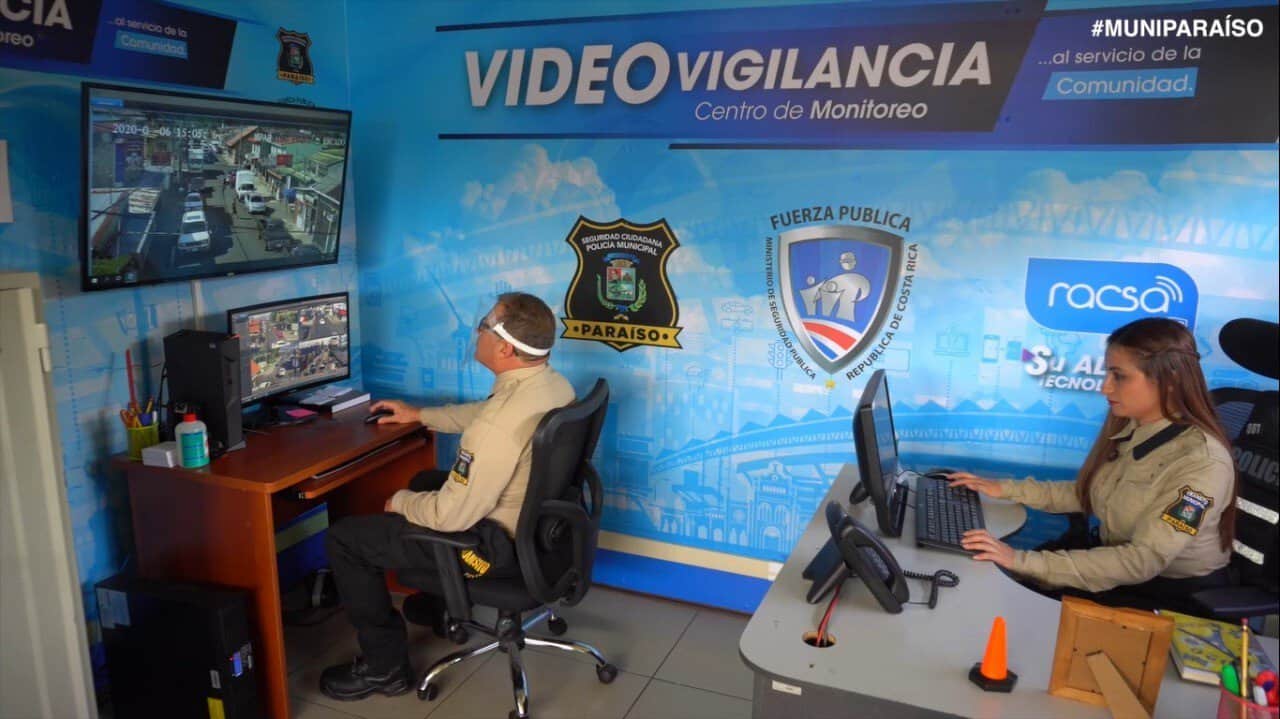
The United States and Chinese embassies in Costa Rica have traded public statements over Chinese-made security technology used by the country’s municipalities, the latest in a series of disputes between the two powers playing out in San José. The US Embassy published a message on Facebook warning local governments about the risks of contracting low-cost Chinese technology, including security cameras, license plate readers and digital platforms from Chinese companies.
The embassy cited cybersecurity risks, weak data protection, dependence on a single supplier and a lack of transparency in public procurement. The message did not name any municipality or company. The Chinese Embassy answered with its own Facebook post, rejecting the warnings as unfounded and saying they served US interests. It said Chinese products are widely used in China and abroad, that the cameras and tools help protect people and property, and that commercial activity should not be politicized.
Costa Rica’s government has not publicly responded to the exchange. The camera dispute follows months of friction between the two embassies. In January, US Ambassador Melinda Hildebrand listed Chinese economic influence among the challenges facing Costa Rica. That same month, officials in the government of Rodrigo Chaves linked China to a cyberattack detected against the Costa Rican Electricity Institute (ICE).
In March, Chinese Ambassador Wang Xiaoyao asked Costa Rica for evidence supporting the cyberattack accusation. She said China had sought cybersecurity information from Costa Rican authorities since 2024 without a response. In May, Wang criticized Washington for revoking the visas of several Costa Rican public figures, among them former President Óscar Arias.
In late October, the Chinese Embassy rejected a US Embassy statement on Chinese mining companies, also calling it unfounded. Neither embassy said which Costa Rican municipalities use Chinese equipment or how many such systems are in operation.





