
Costa Rica’s park service and a national tourist transportation association have started a certification program aimed at keeping visitors out of closed and unauthorized areas of national parks. Officials said more than 2,000 people have been caught entering parks without authorization over the past three years.
The National System of Conservation Areas (SINAC) and Asotranstur, which represents formal tourist transportation companies, presented the program, called Ruta Responsable, yesterday. Under it, tourist transportation companies can seek certification showing that they follow the rules for access to protected areas.
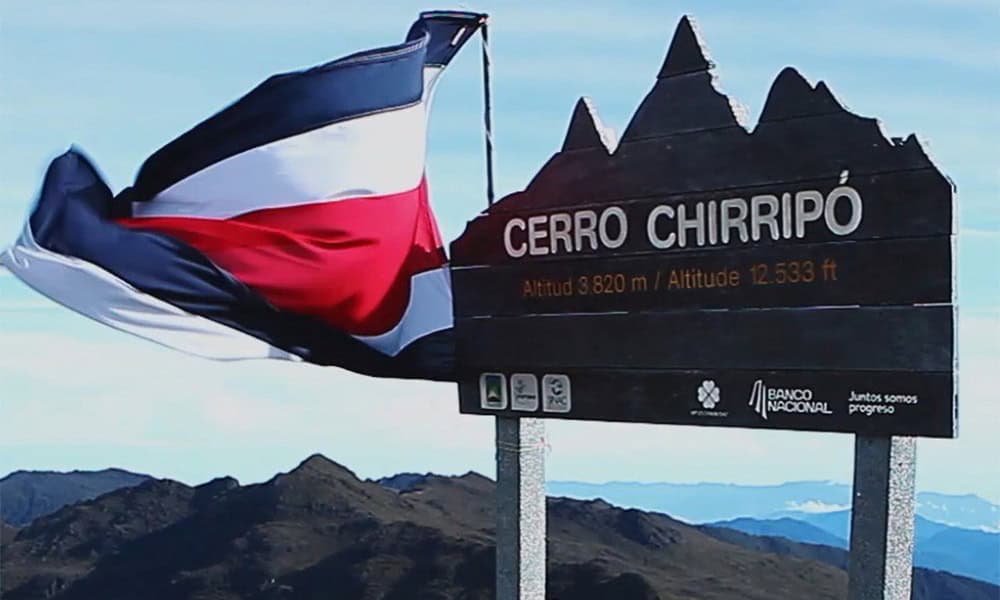
SINAC officials pointed to problems at Poás Volcano, Chirripó and Corcovado national parks, where unauthorized visits have left behind illegal trails, abandoned garbage and fires. The program focuses on the companies that move visitors around Costa Rica, a link in the chain that the law already targets. Since April 30, a reform to the National Parks Service Law has penalized not only people who enter restricted areas but also tour operators and guides who promote, sell or lead trips into them, as the crackdown on unauthorized tours took effect.
Anyone who enters a restricted sector or breaks park rules faces a fine of three base salaries, currently ₡1.39 million (about $3,040). Tour operators who advertise or sell trips to unauthorized sites face ₡3.24 million (about $7,090). Operators or guides who take visitors into high-risk zones face ₡4.62 million (about $10,130), and the equipment they used can be confiscated.
When rescuers have to go in, the law charges ₡2.31 million (about $5,060) for each person rescued and a further ₡4.62 million to the responsible guide or operator. Repeat offenders pay 50% more, and SINAC can bar someone who offends again from protected areas for a year.
The problem peaks during holiday periods as SINAC reported detecting 408 people entering protected areas through unauthorized points between December 2025 and January 2026 alone, with nearly half of them at Irazú Volcano. Poás, one of our most visited parks, has repeatedly drawn warnings over illegal tours near its active crater, where visitors who slip past closures are exposed to volcanic gas and falling material.
Yeimy Cedeño, head of SINAC’s Control and Protection Department, said when the fines took effect that unauthorized entry and activities cause environmental damage, alter habitats and put threatened or endemic species at risk. Details on how companies apply for the Ruta Responsable certification, what it requires and how it will be shown to the public were not immediately available.