

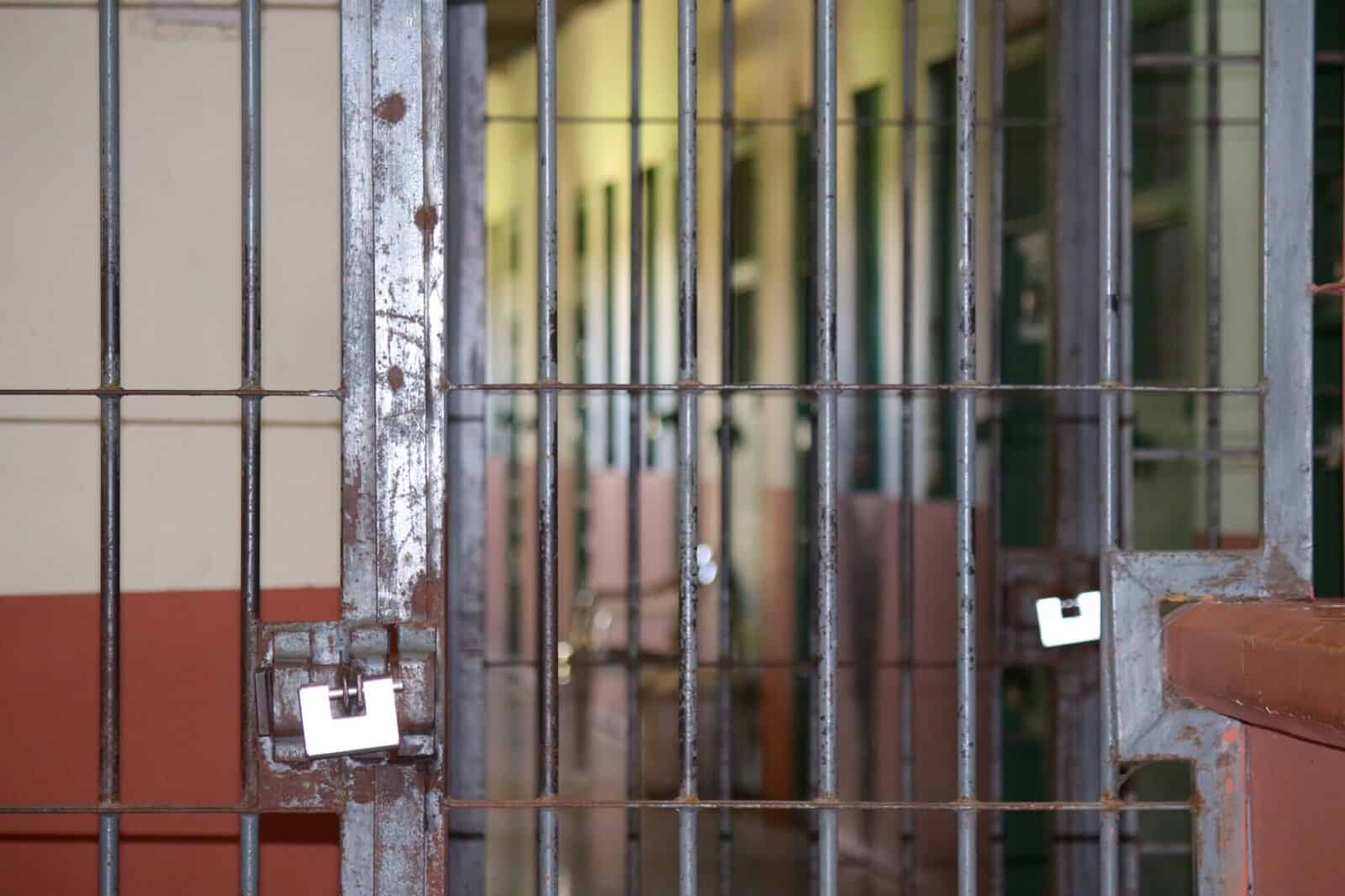
Costa Rica’s Ministry of Justice and Peace announced Monday that prison authorities have removed 263 microwave ovens from correctional facilities across the country, part of a wider effort to tighten control over food deliveries and personal items entering the national penitentiary system.
The appliances had accumulated over the years in prison yards, conjugal visit areas and communal living spaces. It is the kind of headline that prompts an obvious question: how does a microwave end up inside a Costa Rican prison? The short answer is that for a long time, the system allowed far more items to enter than officials now say was reasonable.
Until recently, Costa Rica’s prison system operated under a relatively permissive package delivery policy. Families and visitors were allowed to bring food, clothing and personal items to inmates on a regular basis. Over time, the volume and variety of what could enter facilities expanded through informal tolerance, administrative approval and gradual normalization.
Microwaves entered through those same channels, either as part of encomiendas, the package deliveries that are common in prison life across Latin America, or as authorized communal appliances that were allowed in at some point and never removed. The appliances were not described as hidden contraband. Authorities said they were found in open areas, including prison yards, conjugal visit modules and other shared spaces where inmates spent time.
The problem, as the Fernández administration sees it, is that the daily flow of food and packages into prisons created an operational burden for prison officers and opened channels that organized crime learned to exploit. Drugs, mobile phones and other prohibited items have repeatedly been found concealed inside food packages and personal deliveries, forcing prison staff to divert time and resources to inspections rather than security and surveillance.
President Laura Fernández, who took office in May, has made prison reform a visible early priority. She has warned that inmates in maximum-security facilities continue to direct criminal operations from behind bars, using visitors and, in some cases, lawyers as intermediaries to communicate with criminal networks outside prison.
The microwave removal is one piece of a broader tightening of prison controls that began June 3 and has since changed what can enter Costa Rica’s prisons and under what conditions.
Under the new rules, food may only enter on visiting days, with a maximum of two food containers, known locally as tazas, per visit and subject to stricter security checks at the point of entry. The only microwaves that will remain inside facilities are those in designated visitor areas, for the immediate consumption of authorized food during visits.
Authorities said 238 of the 263 microwaves removed are apparently in good working condition and will go through an administrative process to evaluate whether they can be donated to school cafeterias, CEN-CINAI early childhood centers, police stations, homes for the elderly and community organizations. The remaining 25 units are damaged or deteriorated.
Justice Minister Gabriel Aguilar defended the measure as a basic matter of order. If large quantities of food can no longer enter prisons, he said, there is no reason to keep appliances designed to heat that food sitting in prison yards and inmate areas. Prison Police Director Pablo Bertozzi framed the decision in operational terms, saying anything without a security or operational justification has no place inside a correctional facility.
The microwave measure also follows earlier restrictions applied to high-risk inmates in Costa Rica’s high-containment prison circuit. Those rules limit packages to once a month and only for essential items. Family visits were reduced from weekly to once a month. Conjugal visits are permitted once every two months and only for inmates who can demonstrate a formal relationship. Phone calls are capped at 10 minutes per week.
The microwave story is small in isolation but revealing in context. It shows how informal practices can become embedded inside institutions over years of loose oversight, and how visibly a new government can signal a change in direction by doing something as straightforward as carrying 263 appliances out the door.
The harder question is whether broader prison reforms, especially those aimed at cutting communication between imprisoned crime bosses and their outside networks, will prove as simple to enforce.





