

Venezuela’s National Assembly has passed a landmark reform to its hydrocarbons law, marking a significant shift toward opening the country’s vast oil reserves to private and foreign investors. The move comes amid intense pressure from the United States following the capture of former President Nicolás Maduro earlier this month.
The legislation, approved unanimously on Thursday, January 29, eliminates the long-standing requirement for state-owned Petróleos de Venezuela (PDVSA) to hold a majority stake in joint ventures. Private companies can now take full operational control over exploration, extraction, and commercialization of oil without mandatory partnerships with PDVSA. This reverses policies established under Hugo Chávez in the mid-2000s, which centralized control under the state.
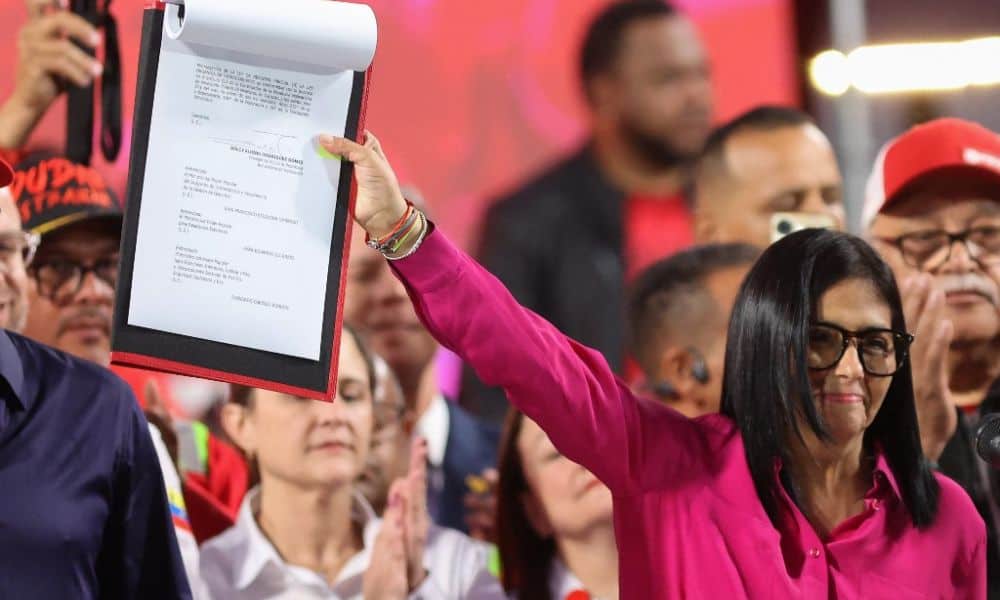
Interim President Delcy Rodríguez, who assumed power after Maduro’s removal, proposed the changes as part of efforts to revive an industry battered by years of sanctions and mismanagement. Her brother, National Assembly President Jorge Rodríguez, hailed the reform during the session, stating it would bring positive outcomes after prolonged hardship. The law introduces flexible royalties, capping them at 30 percent but allowing reductions based on project needs, and permits international arbitration for disputes—features designed to make Venezuela more attractive to global players.
For Costa Rica and other Central American nations, this development could influence regional energy dynamics. Venezuela’s oil has historically supplied markets in the Caribbean and beyond, and a production rebound might stabilize prices or open new trade avenues. However, experts note potential ripple effects on migration patterns, as economic recovery in Venezuela could slow the flow of refugees southward, including to Costa Rica, which has hosted thousands fleeing the crisis.
Venezuela boasts the world’s largest proven oil reserves, estimated at over 300 billion barrels, but output has plummeted from more than three million barrels per day in the early 2000s to about 1.2 million today. The decline stems from U.S. sanctions imposed in 2019, chronic underinvestment, and operational inefficiencies at PDVSA. The reform aims to reverse this by drawing back major oil firms, many of which exited during the Chávez and Maduro eras.
The U.S. has played a pivotal role in these changes. President Donald Trump’s administration orchestrated Maduro’s capture on January 3 through a military operation, citing national security concerns. In response to the reform’s passage, the U.S. Treasury Department began easing oil sanctions, signaling approval. Washington has also taken steps to manage Venezuelan oil exports, with a recent U.S.-mediated sale yielding $300 million for the country and an additional $200 million placed in a controlled account.
Critics within Venezuela argue the reforms concede too much sovereignty, potentially benefiting foreign interests over local ones. Supporters, including Rodríguez, counter that the measures are essential to inject capital and technology into the sector, projecting a 55 percent increase in investments for 2026. The law still requires Rodríguez’s signature to take effect, but observers expect swift enactment given the assembly’s backing.
This overhaul arrives at a critical juncture for Venezuela’s economy, where oil accounts for over 90 percent of export revenue. Successful implementation could boost production toward pre-sanction levels, providing funds for infrastructure and social programs. Yet challenges remain, including rebuilding trust with investors wary of political instability and addressing PDVSA’s debt, which exceeds $150 billion.
In the broader Latin American context, the reform underscores shifting geopolitical alignments. As Costa Rica maintains its focus on renewable energy—generating nearly all electricity from sustainable sources—the Venezuelan shift highlights contrasting paths in resource management. Regional leaders, including those in San José, will watch closely to see if this leads to greater stability or renewed tensions.
The coming months will test whether these changes deliver on their promise. With U.S. firms like ExxonMobil and Chevron eyeing a return, the stage is set for a potential resurgence in Venezuelan oil, but only time will reveal the full impact on the nation and its neighbors.





