

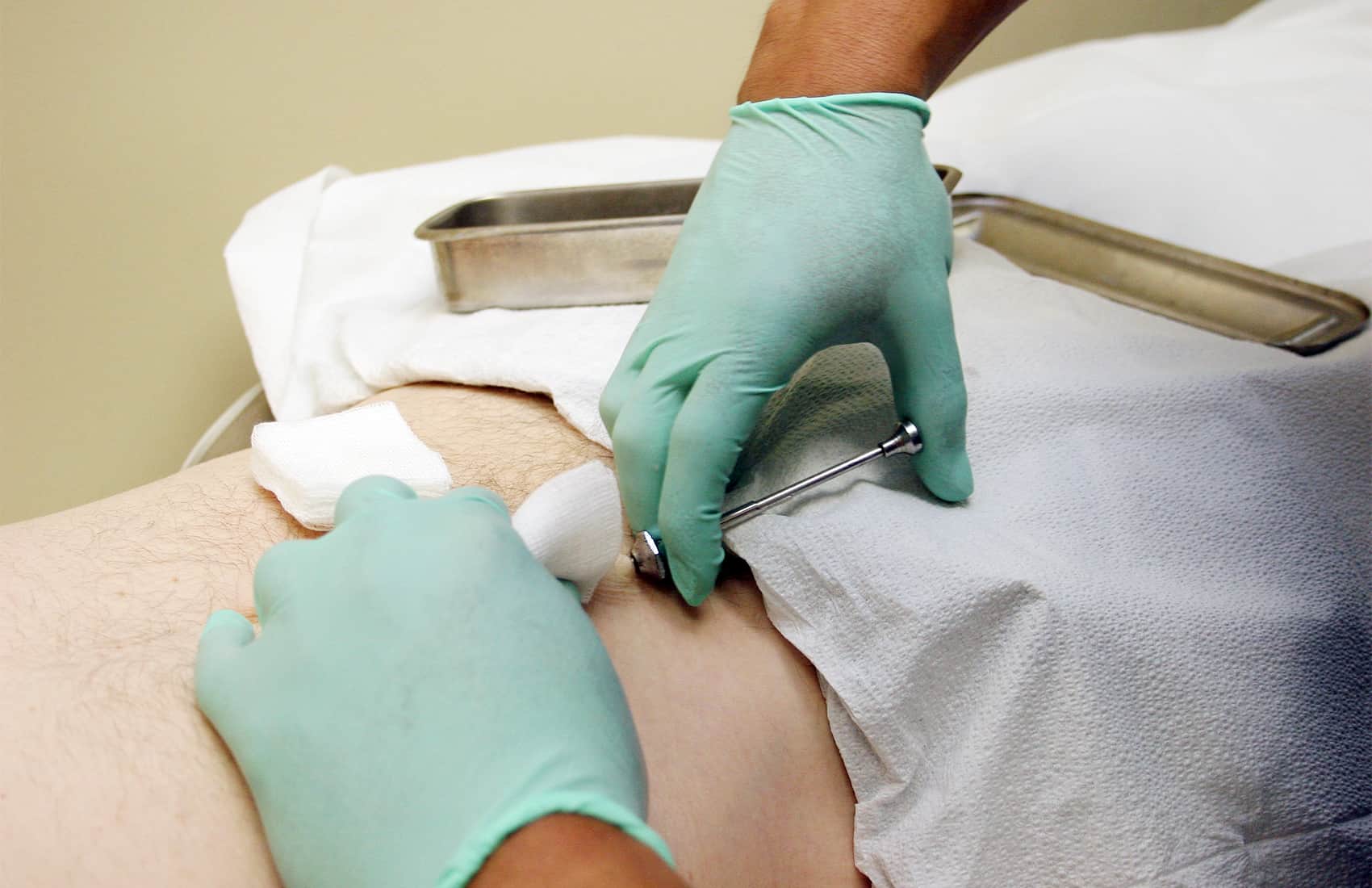
President Rodrigo Chaves has put a hold on publishing a decree that sets clear limits on what general practitioners can do in Costa Rica. The move comes after months of back-and-forth between medical groups and follows recent patient deaths tied to aesthetic procedures. The decree, signed last June by Chaves and Health Minister Mary Munive, lays out profiles for physicians and surgeons. It states that general doctors cannot perform surgeries, including plastic ones, because they lack the specialized training.
Chaves explained the decision during a recent appearance from Casa Presidencial. He pointed to an ongoing dispute in the medical field. General practitioners argue that the rules would reduce them to basic tasks, while specialists say untrained doctors handling complex procedures put lives at risk. “Not all doctors have the same skills,” Chaves said, adding that his team needs more time to review the matter and seek input from the Attorney General’s Office before moving forward.
The holdup started when the Ministry of Security stepped in. Minister Mario Zamora directed the National Printing Office not to publish the decree, citing a need for further checks. This office falls under the Ministry of Governance and Police, which oversees security matters. The College of Physicians questioned why security officials have a say in a health regulation.
Pressure built after three women died in January from complications in aesthetic surgeries performed by general practitioners. Ronald Pino, head of the Association of Specialists in Plastic and Aesthetic Surgery, said the decree could prevent such outcomes. He noted that current laws date back decades, before specialties existed, allowing any doctor to attempt any procedure. Pino stressed that the profiles come from a technical process spanning over ten years, involving the entire medical community.
The College of Physicians took legal action, filing a claim against the Ministry of Health for failing to publish the decree despite a court order. They even offered to cover printing costs when the government cited budget shortfalls. Mario Quesada, from the National Syndicate of Specialist Doctors, called the delay reckless, saying it leaves the public exposed to unqualified care.
Chaves countered that both sides have valid points. He mentioned cases where specialists also faced patient losses, urging a balanced approach. The government has given the Ministry of Health 15 days to explain the non-publication. Zamora earlier suggested publication could happen within ten days, but that timeline has passed without action.
This issue highlights tensions in Costa Rica’s health system, where demand for cosmetic work has grown, but regulations lag. General doctors defend their right to practice broadly, while specialists push for stricter standards to safeguard patients. The decree aims to update rules, ensuring only trained surgeons handle operations.
As the review continues, medical leaders call for quick resolution. Pino warned that delays could lead to more avoidable tragedies. Chaves assured that the government will act once consultations wrap up, prioritizing fair outcomes for all involved.





