

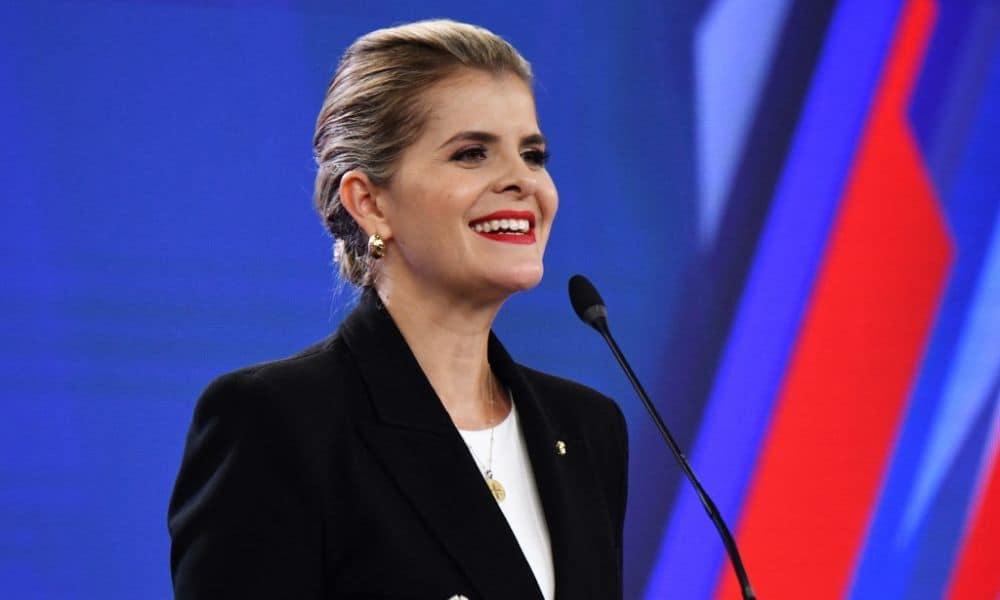
Laura Fernández maintains a clear advantage in recent polls as Costa Rica’s presidential election nears on February 1. Surveys indicate she could win in the first round by surpassing the 40% vote threshold, yet a runoff on April 5 stays in play with nearly 30% of voters undecided and opposition candidates splitting support.
A roundup of polls underscores this fragmentation. Opol Consultores reports Fernández at 42.5% among decided voters, rising to 62% when excluding undecideds. CID Gallup places her at 41%, with rivals like Álvaro Ramos of Partido Liberación Nacional at 9% and Fabricio Alvarado of Nueva República at 5%.
Other contenders, including Claudia Dobles of Citizens’ Agenda Coalition and Ariel Robles of Frente Amplio, hold single-digit shares. Idespo-UNA data shows her at 32.8% in broader samples, but with 44% undecided, shifts remain possible. This setup creates a path for a first-round victory if she consolidates more support.
Voters point to crime as their main concern. University studies rank public safety highest, driven by concerns over organized crime and border control. Fernández defends the current administration’s record, which includes tougher measures that have lowered homicide rates. President Rodrigo Chaves’ approval stands strong, tied to these efforts, and Fernández pledges to extend them. Rivals argue for deeper reforms, accusing her of overlooking institutional weaknesses.
Economic matters follow closely. Costa Rica reports unemployment at 7%, the lowest in years, alongside steady inflation and rising foreign investment. Fernández highlights job creation and growth under Chaves, appealing to those who value stability. Opponents like Ramos push for social programs to address inequality, while Alvarado stresses family-oriented policies. Health and education rank third in voter priorities. Debates have exposed disputes over school performance data and access to services. Fernández cites improvements in fiscal management, but critics demand better funding and transparency.
The divided field of 20 candidates weakens challenges to Fernández. Her party, Partido Pueblo Soberano, aligns with Chaves’ center-right approach, drawing from his popularity. Opposition groups struggle to unite, with no single rival emerging strongly. Legislative seats add complexity; the next president must build coalitions in a 57-seat assembly where her party holds just nine.
Campaigns ramp up in provinces, with Fernández visiting areas like Puntarenas to discuss development and security. Turnout could decide the outcome, as decided voters favor her but undecideds hold sway. The election will determine directions on crime, jobs, and services for the next four years.





